Porsche Found a Smarter Way to Keep Catalytic Converters Alive
A Cleaner Solution to a Dirty Problem
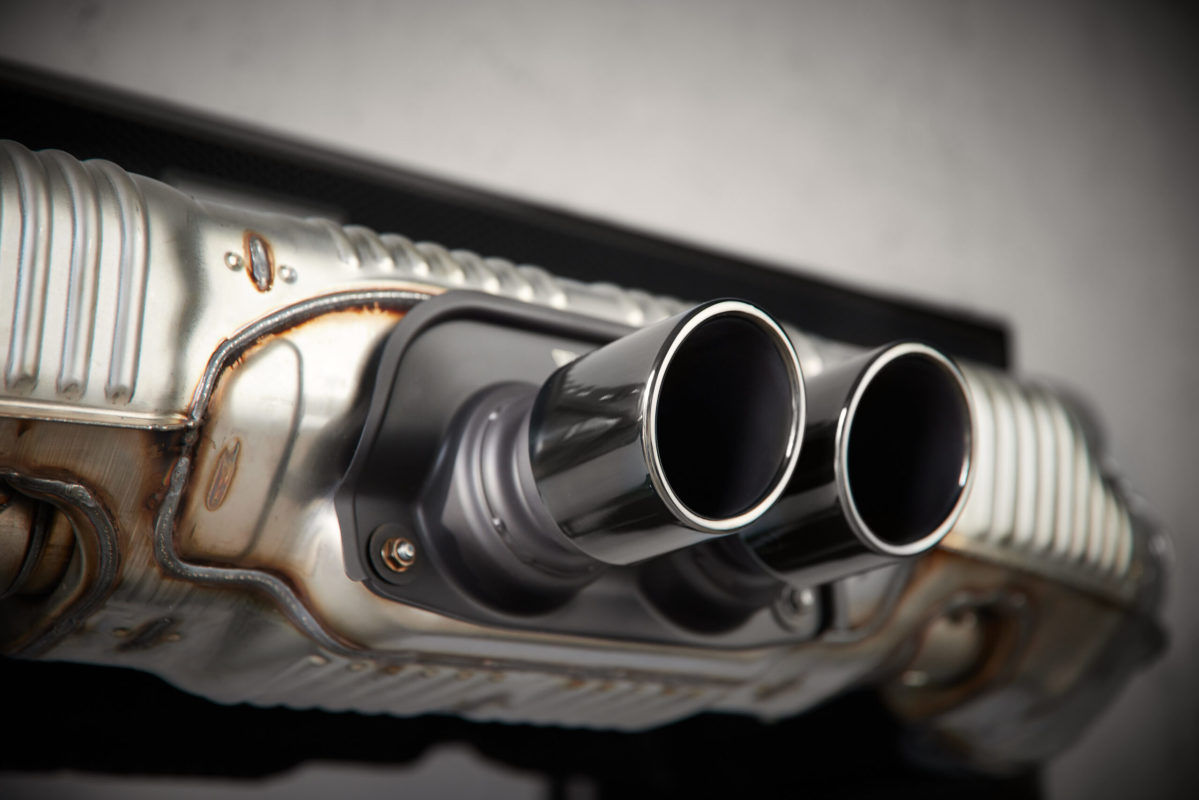
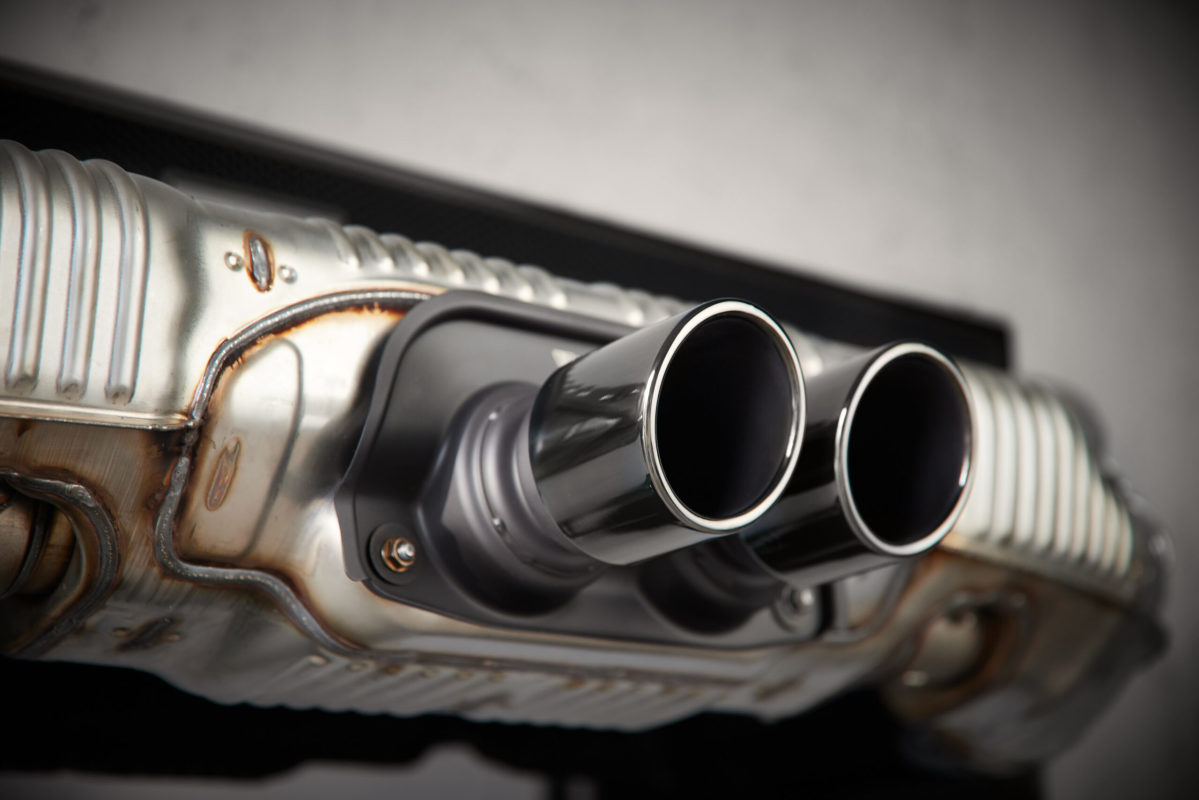
Porsche has been working on a new way to help you keep your catalytic converter alive and well, using the age-old method of exhaust gas recirculation (EGR) alongwith modified ignition timing for a better way to handle catalytic converter regeneration. Traditional methods dump extra fuel into the engine to create heat and burn off harmful buildup in the cat-con. This wastes gas and, ironically, produces more emissions.
Porsche’s catalytic converter patent addresses this persistent issue by leveraging perhaps the most misunderstood engine technology in recent times. EGR technology has advanced to the point where the benefits usually outweigh the drawbacks, and this patent would appear to be the next step in refining the technology to further lower emissions, while maintaining engine outputs in the long run.
Toyota
How the Technology Works
Porsche’s solution goes back to the basics: more heat in the catalytic converters equals a cleaner exhaust system that works more effectively, leading to better engine health, horsepower, and lower emissions in the long run. The system manipulates variable valve timing to push substantial volumes of exhaust gases through the combustion chamber during regeneration, resulting in the required temperatures for cat-con regeneration without needing to enrich the fuel mixture. This is achieved through aggressive valve overlap, the main difference from most regular EGR systems.
Porsche also retards ignition timing during the regeneration process. While this temporarily reduces power output, it simultaneously lowers nitrogen oxide formation. The result creates favorable conditions for converter regeneration while the converter itself handles less workload. The ECU coordinates turbo boost pressure and throttle position throughout to make sure the driver can’t tell when the regeneration process is underway.
Real World Advantages
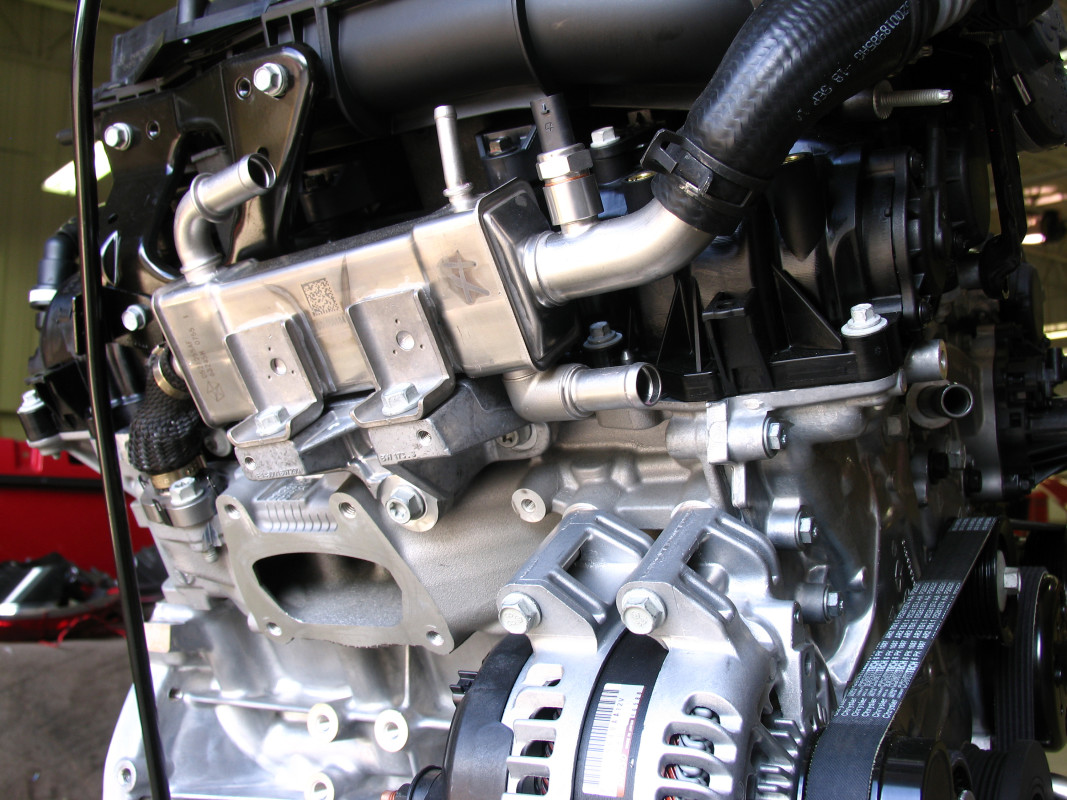
No doubt EGR technology carries baggage from its early implementations, when primitive systems hurt performance and reliability. However, modern variable valve timing has improved the concept. By routing exhaust through the engine multiple times, the system maximizes the effectiveness of each regeneration cycle, particularly valuable when exhaust temperatures run low.
This innovation could extend catalytic converter lifespan while reducing maintenance costs. The system promises seamless operation invisible to drivers, while preserving both performance and emission levels. The patent filing shows that Porsche’s committed to the internal combustion engine, wringing efficiency from proven technologies with a twist that could work out better than new solutions.