Kia’s Weird Tasman Pickup Won’t Get Any Prettier Any Time Soon
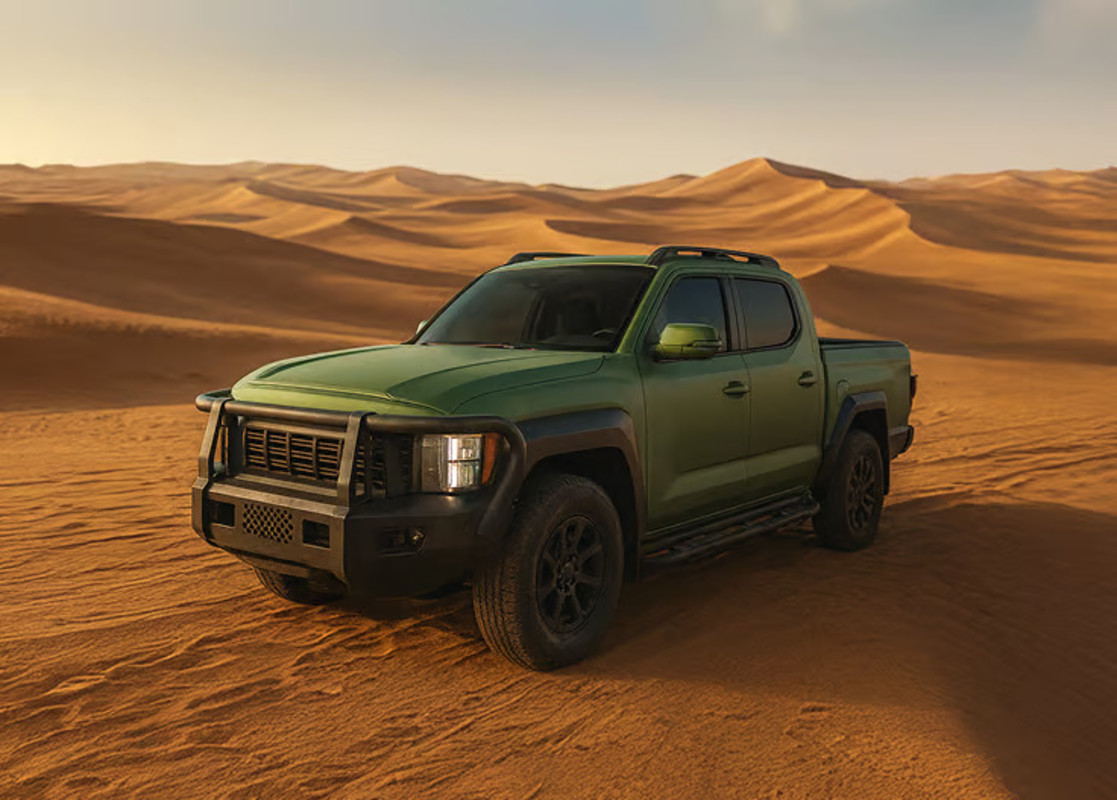
The Kia Tasman is a midsize pickup, and that should mean it’s automatically a smash hit, right? Kia‘s reliability and practicality in a segment that always has plenty of buyers sounds like a winning recipe for the brand, but the Tasman’s quirky design appears to be the one big thing counting against it. And yet, Kia is in no rush to redesign the truck, despite sharing renders of a better-looking Tasman on its own website. Speaking with local publication Drive, Kia Australia general manager of product planning Roland Rivero said, “If there’s any rumor or if there’s any suggestion that we are going to fast-track a PE [product enhancement], or a facelift, that is completely incorrect.”
Why Kia Won’t Facelift the Tasman Yet
Kia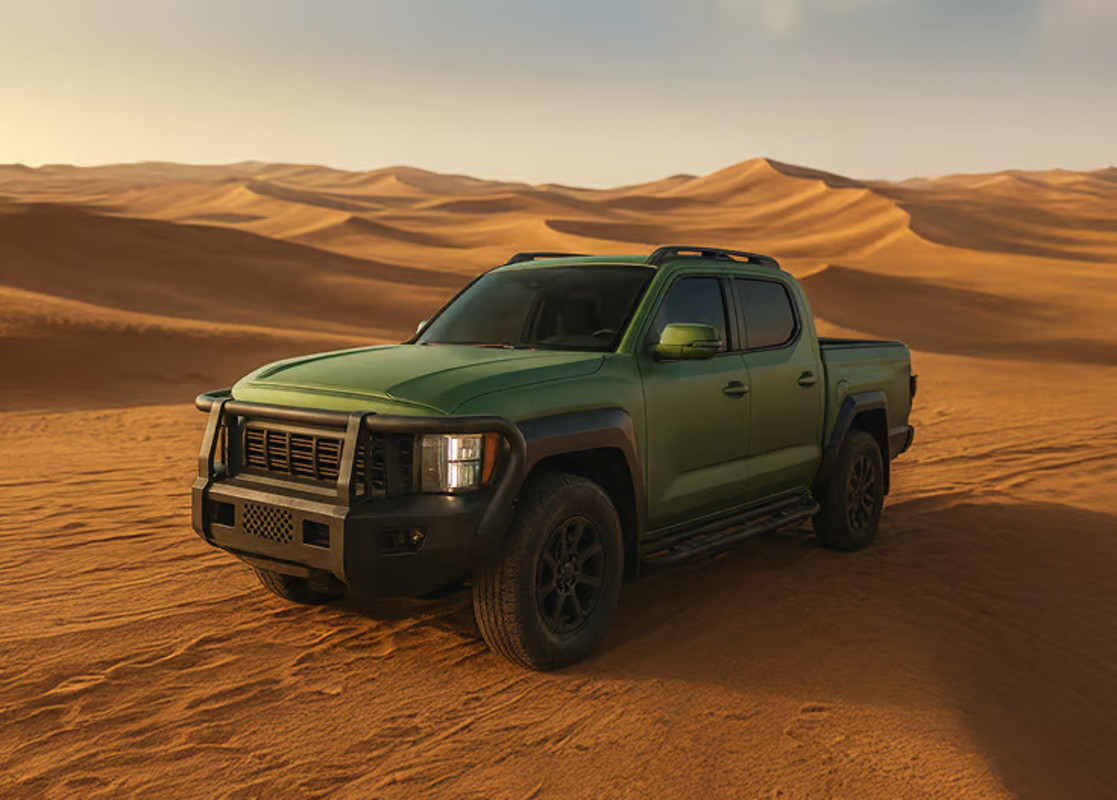
Over the course of this year, there have been several reports and rumors claiming that Kia will restyle the Tasman very soon, but Rivero said that a facelift would, as usual, “fall within the milestones of the product lifecycle plan, and there’s no fast-tracking of any sort.” Yes, sales of the Tasman have been disappointing, even with the improvements made by upfitters. But if Kia were to redesign the Tasman so soon, not only would it send a message that the automaker would be admitting the pickup is ugly, but such an exercise would be enormously expensive – especially since a facelift would normally come with interior updates, too. Rivero added that customers who have taken delivery of a Tasman are “very, very positive about their purchase, and they speak very highly [of the truck].” He noted that Kia just needs more Tasman customers, but unfortunately, it seems unlikely that any of those customers will be American.
Kia Tasman Remains Unlikely for America
Kia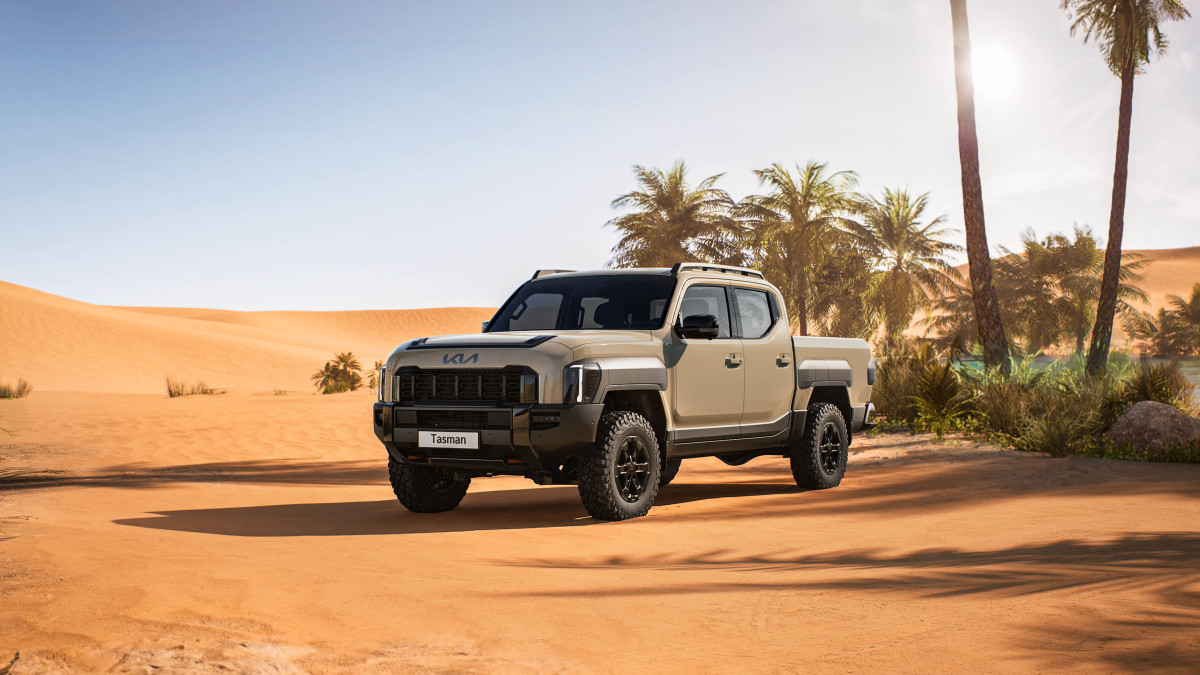
Rivero went on to say that Kia begins working on the concept for a vehicle’s facelift immediately after launching a brand-new vehicle, but whenever that happens, we likely won’t see the result in the metal because tariffs are making the Tasman and other Kia products considerably more expensive than expected. Kia said earlier in the year that a Tasman-based SUV is coming, but that likely won’t make it to American shores either, as this will be produced in South Korea at the automaker’s Hwaseong plant. The impact of tariffs is not unique to Kia, however. Mazda is likely to increase pricing and could be forced to move production of certain vehicles, and in the premium space, Porsche has confirmed price increases starting in January, while BMW is set to raise its MSRPs for 2026 again.