Exploring The Bugatti Tourbillon Interior: Where Watchmaking Replaces Screens
Bugatti is using the new Tourbillon to reset what a modern hypercar cabin should feel like, and its interior concept goes in a very different direction from the usual wall of touchscreens.
Led by Chief Interior Designer Ignacio Martinez, the team leaned into traditional watchmaking, mechanical detail and long-term usability instead of chasing tech trends that will age fast. It is also the stage-setter for Bugatti’s next era.
Analog Over Screens By Design
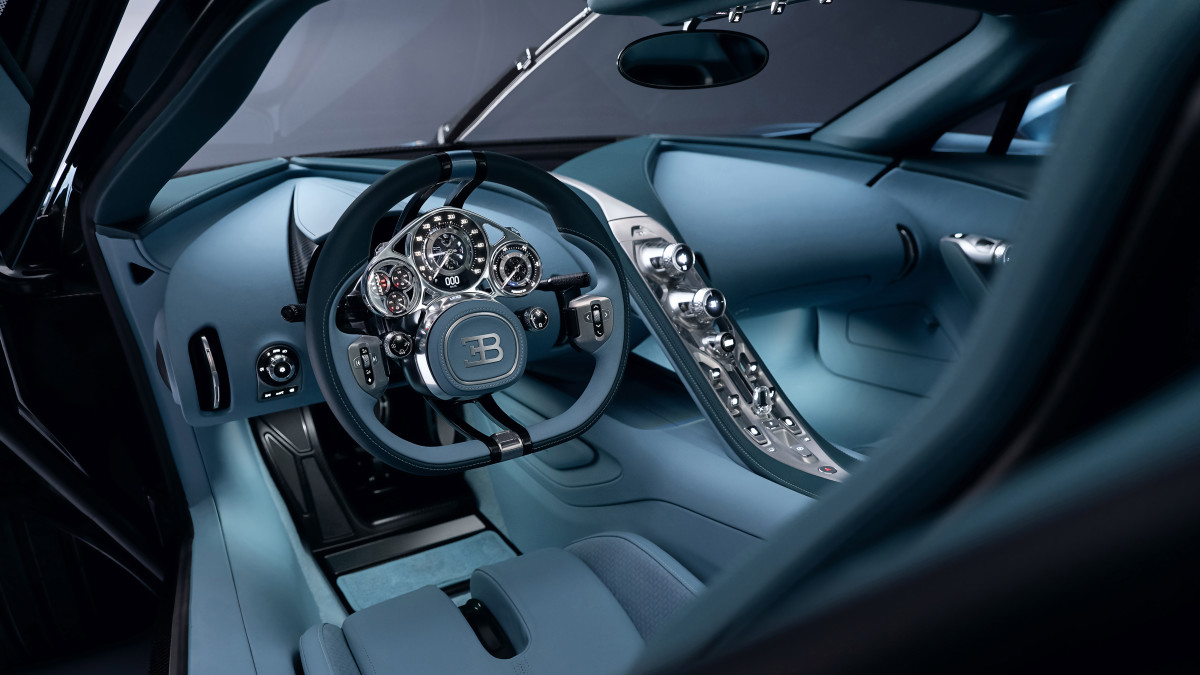
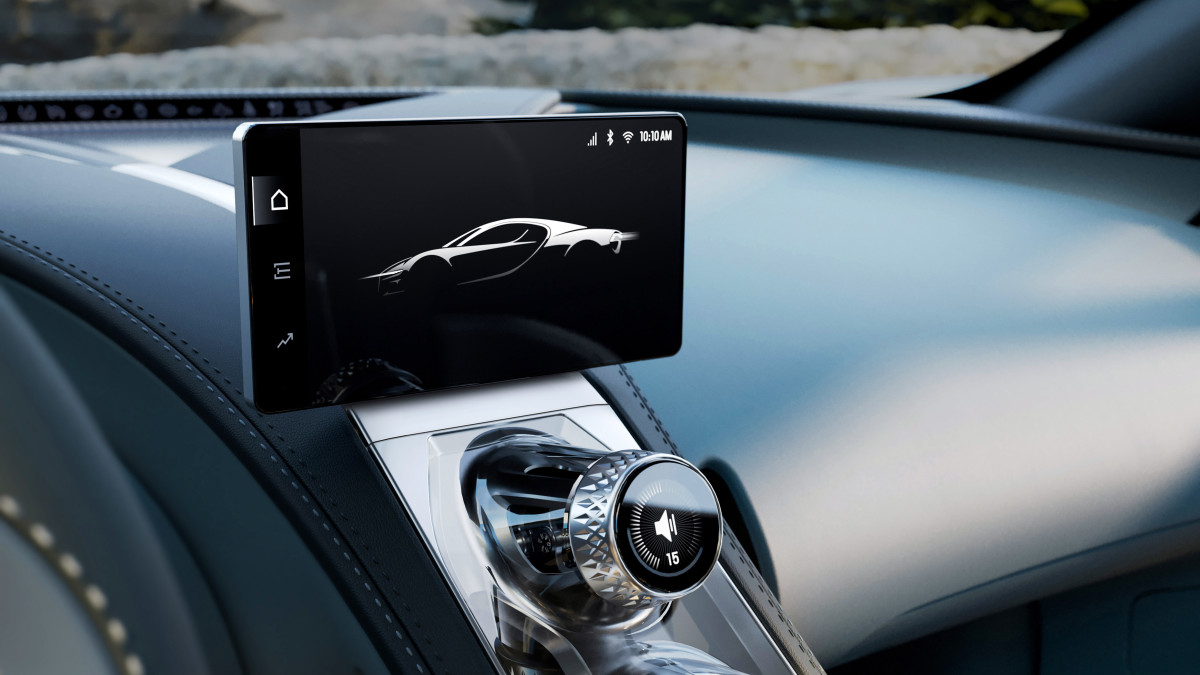
Bugatti’s designers talk about “digital detox” for a reason. Rather than making the dashboard a giant tablet, they kept digital real estate to a minimum. The central display is hidden inside the dash by default and only folds out when the driver actually needs it. The rest of the key controls are physical, with carefully tuned resistance and feel, so you interact with real switches and knobs instead of menus.
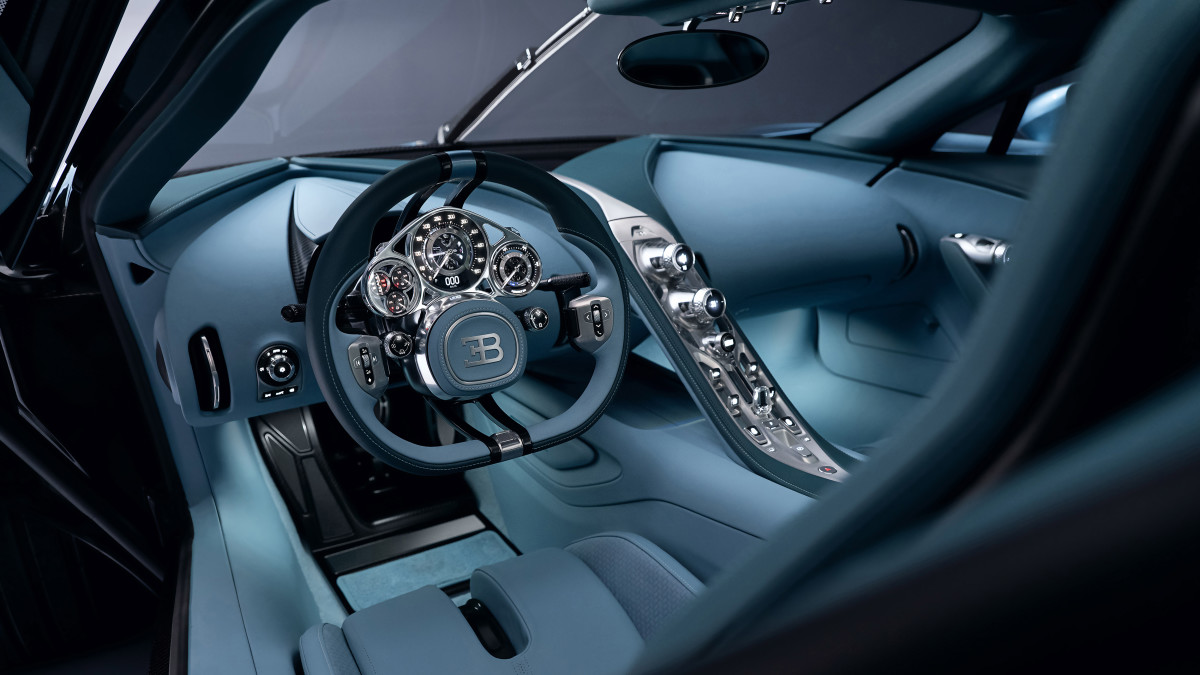
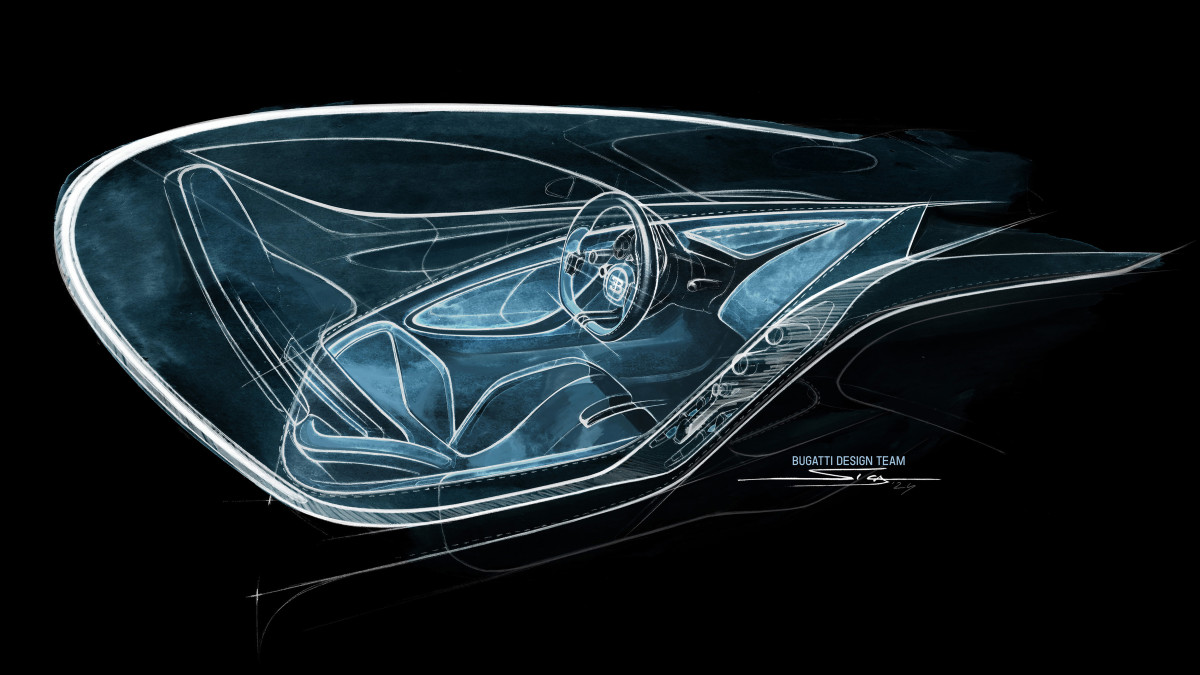
The basic layout still looks like a Bugatti. The familiar center line and sweeping C-shaped motif from the exterior are carried into the cabin to separate driver and passenger, and a horizontal color split helps define each side. Materials are “car couture” in Bugatti’s words, mixing leather with new tailor-made fabrics in a way that is meant to feel more like high fashion than a typical carbon-and-Alcantara supercar cockpit.
Watchmaking Meets Hypercar
The showpiece is the instrument cluster. Bugatti worked with Swiss watchmakers to create a fully mechanical gauge set mounted behind the steering wheel. It uses milled aluminum, skeletonized elements and crystal-like covers so you can see some of the workings, more like a tourbillon watch than a traditional speedometer.
The steering wheel itself uses a fixed hub, so the center section with the airbag and hub detail does not move. The rim rotates around it, and the driver looks through the wheel at the cluster, which is always in clear view. Controls and shift paddles are integrated into the rotating outer ring, so you still get modern functionality wrapped around this very analog centerpiece. It is the same mindset that has long driven Bugatti’s special editions.
Built To Last Through The Next Bugatti Era
Martinez and design director Frank Heyl keep circling back to one idea: the Tourbillon interior should still look right decades from now. That is part of why they avoided a screen-led look just as Bugatti gets ready for more advanced powertrains, including the work Rimac is doing. Software and displays will keep evolving, but a mechanical cluster, a fixed-hub wheel and rich materials are easier to pass down through generations without feeling old.
They also had to package all of this around real-world constraints like airbag placement, seat belt mounts and crash behavior, so the Tourbillon stays a functioning road car rather than a static sculpture. The end result is an interior that tries to make you feel like you are sitting inside a piece of fine watchmaking rather than a rolling smartphone, even as the rest of the brand moves into a more electric and experimental future.