First Ford, Now Honda: Why Automakers Are All-In On Hybrids For 2026
Hybrids are taking center stage again
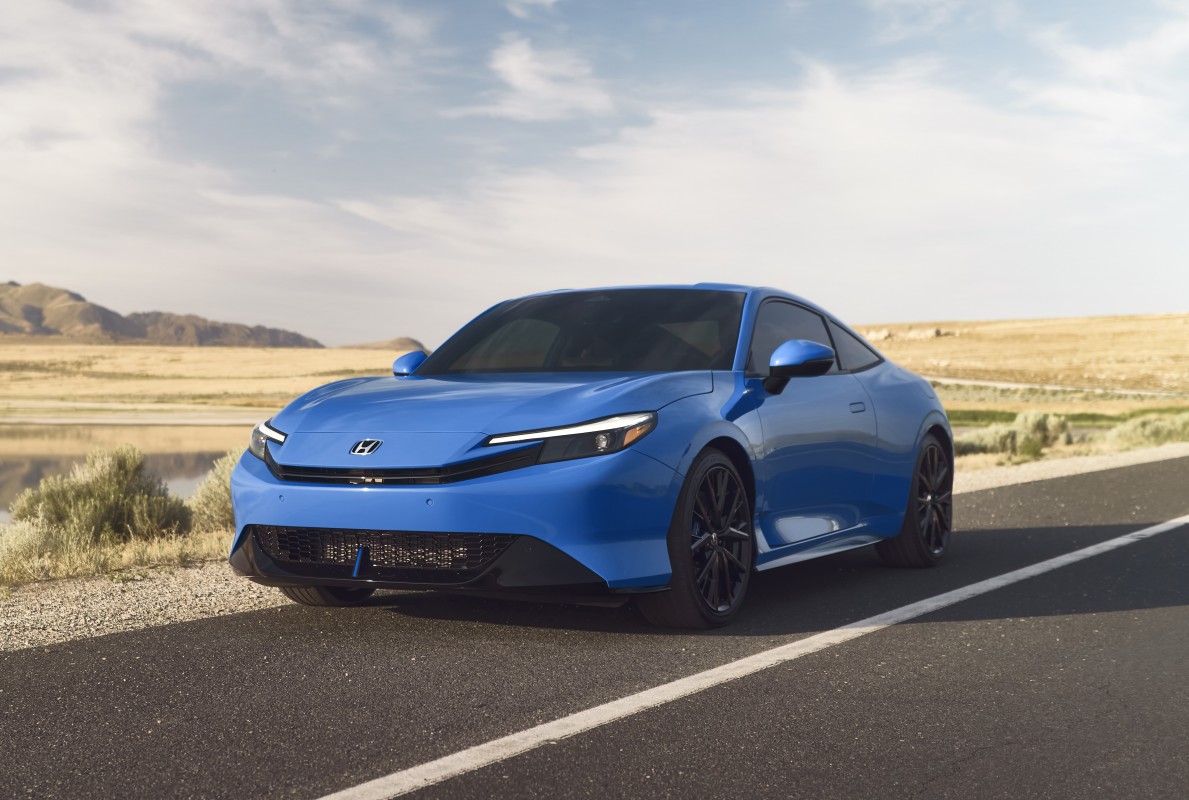
Honda is no stranger to hybrids. Its current lineup consists of four hybrids and a fuel-cell EV, which we’ll give it credit for as a hybrid. Recently, the company announced “next-generation technologies” it planned to launch through 2030, and hybrid tech took center stage. Like most automakers, Honda seemed bullish on EVs, but now it’s focusing on hybrids.
Ford recently made a similar pivot, reducing its focus on electrified vehicles and eyeing more hybrids across its lineup. It’s a unique turn of events at two automakers that have almost nothing to do with one another. So why are Ford and now Honda placing so much emphasis on hybrids when electrification was their designated path not too long ago?
What Honda has planned
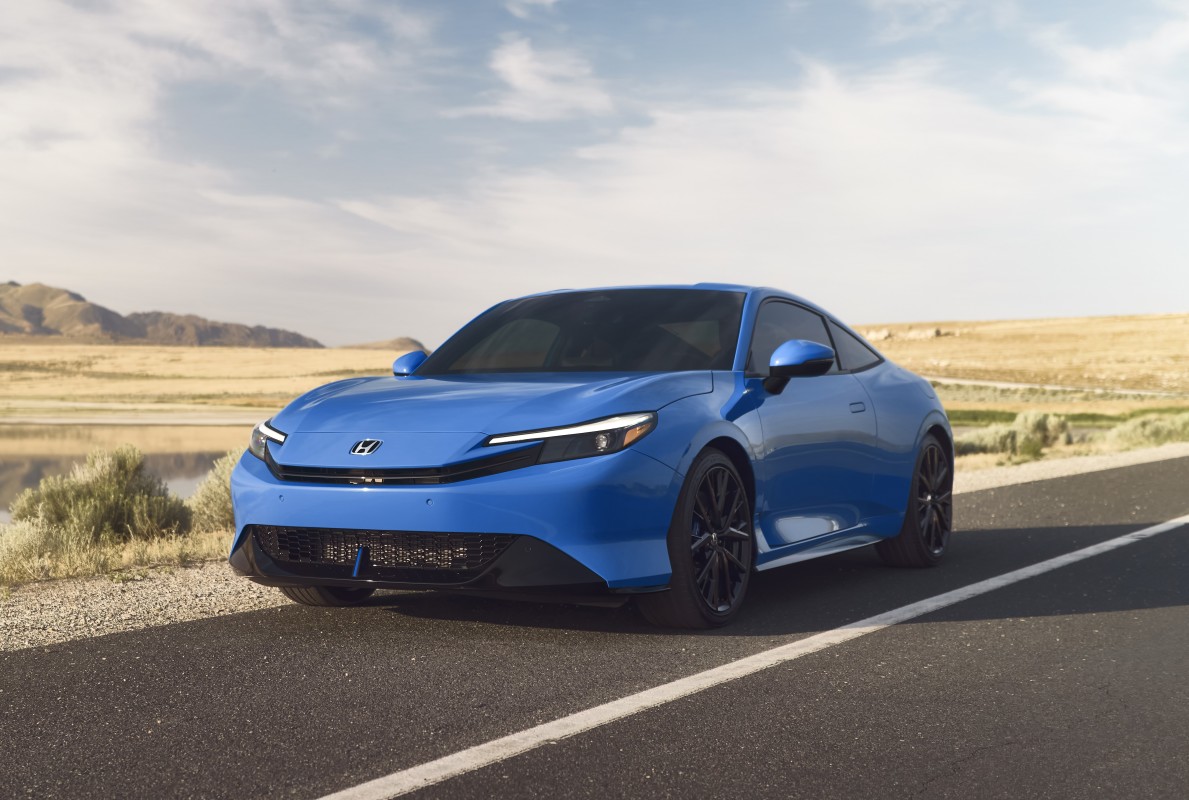
In a recent workshop, Honda announced three things: its platform for next-generation hybrids, hybrid-electric technology for large hybrids in North America, and further details on the tech it plans for a future compact EV. Of these three, the large-size hybrid system is particularly fascinating. Honda says, “as market demand for HEV models continues to grow, Honda positions its HEV models, especially the next-generation models scheduled to go on sale in 2027 and beyond, as a core group of products which will play a key role during the transitional period leading up to the full-fledged popularization of HEVs…especially in the North American market.”
Honda is developing a new hybrid system with improved towing capacity and environmental performance, along with a newly developed V6 engine. It hopes to improve fuel efficiency by roughly 30 percent compared to ICE-only models in the same segment. Full-throttle acceleration will also improve 10 percent, Honda hopes, with battery-assist features.
For its midsize hybrid-electric vehicle (HEV) platform, Honda has reduced the overall weight by nearly 200 pounds and tweaked frame rigidity to improve driving stability. In short, the center of mass of the frame will be more rigid, allowing the body to flex a bit more at the wheel wells, which Honda hopes will make its HEVs more fun to drive. The new platform also enables more parts commonality across the lineup, which will make production more efficient. Honda aims to have 60 percent of its parts shared across its vehicle lineup with this new platform.
Why hybrids are suddenly cool again
The move to EVs was sudden; some automakers cannonballed into EVs, and others took a more pragmatic approach. Honda and Ford were more pragmatic but bullish on EVs once they entered the fray. The Honda Prologue has been well-received, the Ford Mustang Mach-E was considered groundbreaking at launch, and the Ford F-150 Lightning was almost immediately the best-selling EV truck on the market.
Ford’s pivot to hybrids was driven by an EV market that didn’t meet its expectations. Honda isn’t so publicly bold about why it’s focusing on hybrid tech for the last half of this decade, but perhaps the Prologue didn’t sell as well as Honda would have liked. Now, both are pointing to hybrids as a focal point for what’s next. Both companies offered hybrids before fully electrified vehicles, so the underlying platforms are in place and ready to be improved.
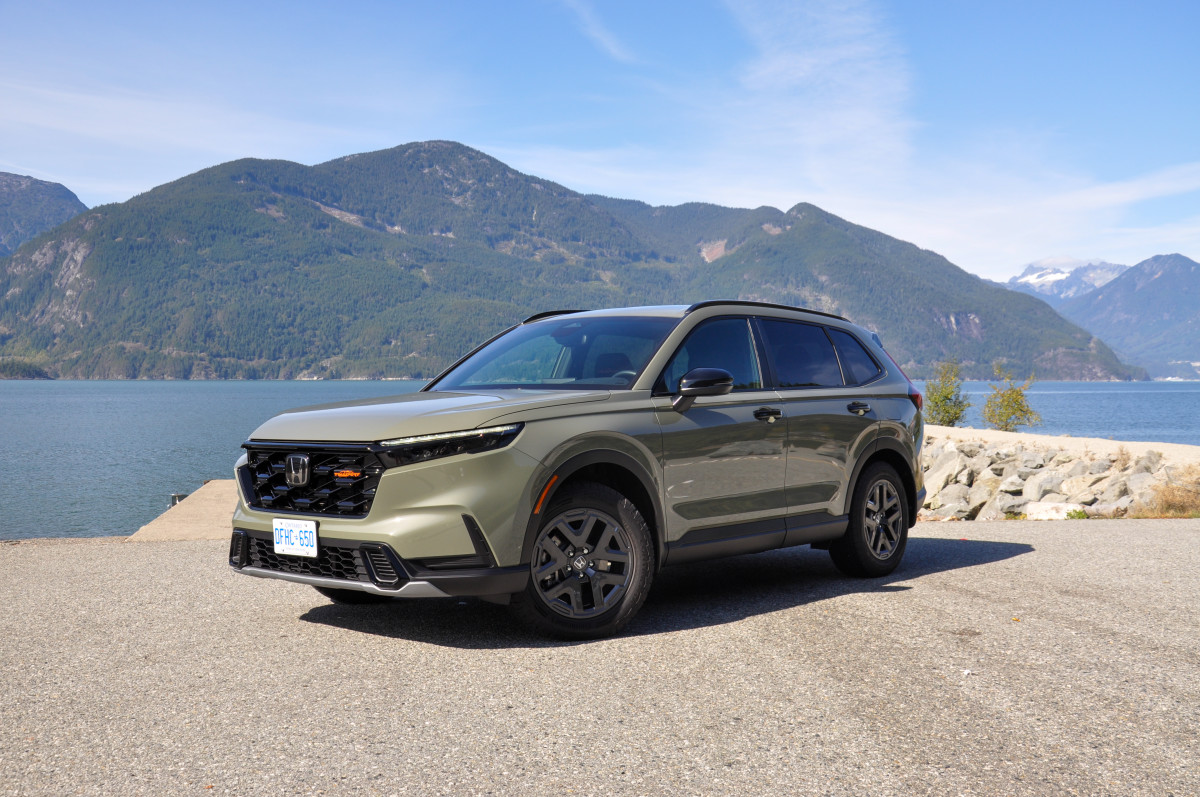
Cole Attisha
Final thoughts
The EV market is in a downturn, as is the broader auto market. Sales of new cars and SUVs are slow as economic struggles continue and interest rates remain high. Automakers have to turn profits, or at least explain why they’re not. Ford’s plan for its most recent poor quarterly performance was to turn to hybrids, and it seems Honda is following suit. Though Honda’s announcement for its pivot to “more hybrids” arrived before its most recent earnings call, it’s worth noting that in its earnings report, the Japanese automaker’s net profit was down 37 percent in the first half of 2025. The automaker is also forecasting a profit of 300 billion yen for 2025, which is down 64 percent from last year.