Toyota Says America’s EVs Could Power 40 Nuclear Reactors
The Irony of Toyota’s Big Announcement
Toyota just dropped an eye-opening postulation about battery electric vehicles with vehicle-to-grid capabilities. The manufacturer says the roughly four million EVs currently on American roads could collectively pump approximately 40,000 megawatts back into the power grid, equalling what 40 nuclear reactors generate. Your idle EV could help stabilize grids by leveling spikes in demand, limit outages, and technically even reduce your energy costs.
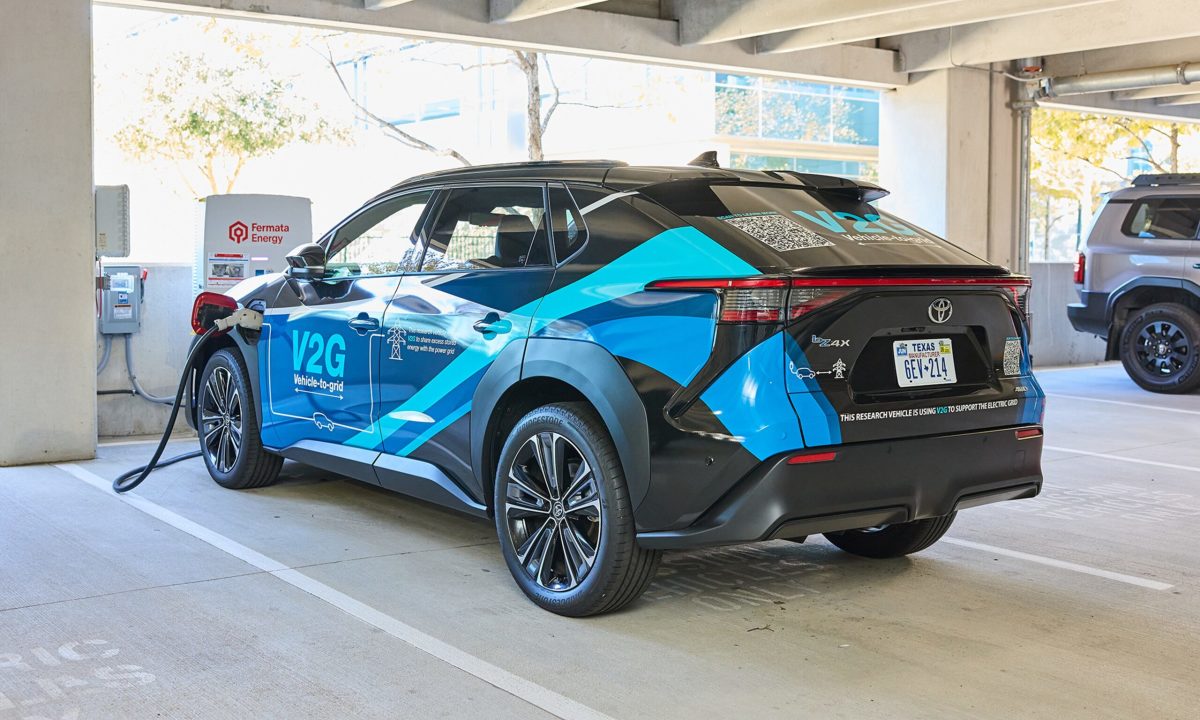
The only issue with this is that Toyota is championing V2G technology without currently offering a single production vehicle in North America that supports bidirectional charging. A Japanese-spec bZ4X prototype equipped with V2G has been doing the rounds for the pilot, but American buyers can’t buy it. Toyota is essentially promoting technology they haven’t yet committed to selling.
Toyota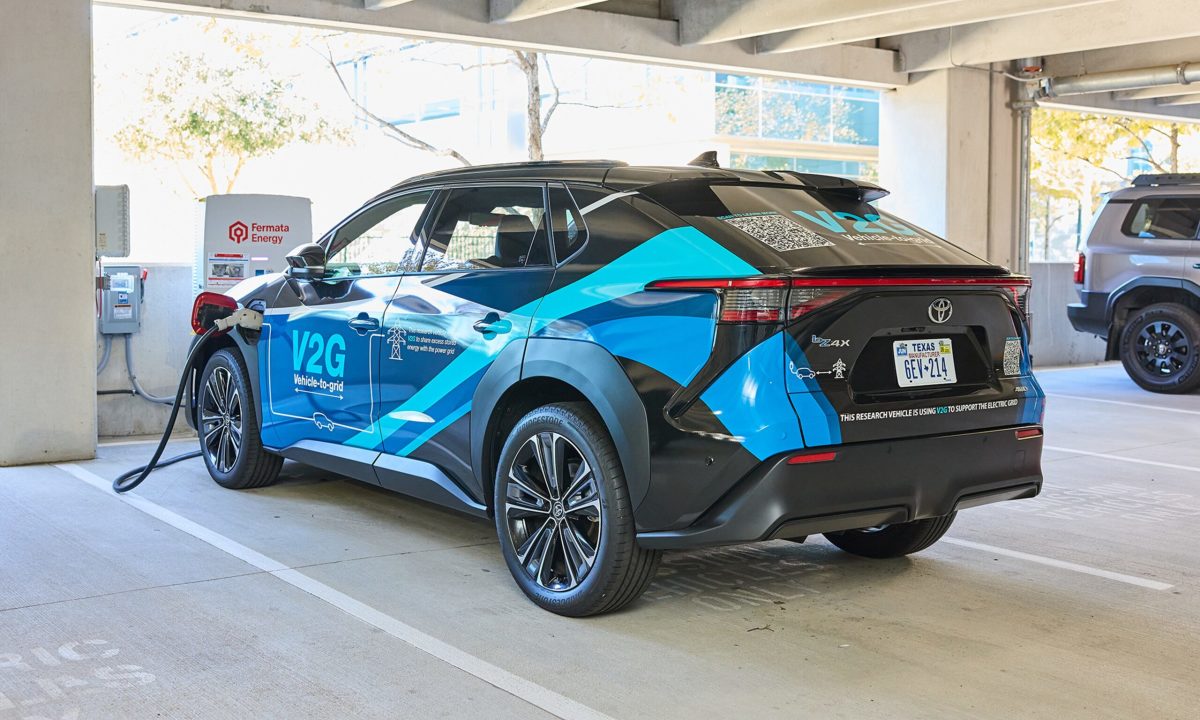
Why Bidirectional Charging Is a Big Deal
This is how it works in theory: EV owners charge batteries during cheap off-peak nighttime hours, then either power their homes directly or sell stored energy back to the grid during expensive peak periods. Think of it like the stock market: buy low and sell high, though that isn’t the prime goal here.
Bidirectional charging can stabilize the grid during extreme weather or outages. When thousands of vehicles act as distributed storage, utility companies can avoid firing up expensive backup generators during demand spikes. What’s more interesting is vehicle-to-home and vehicle-to-load technology, which allows drivers to directly give energy back to their homes or appliances.
Hyundai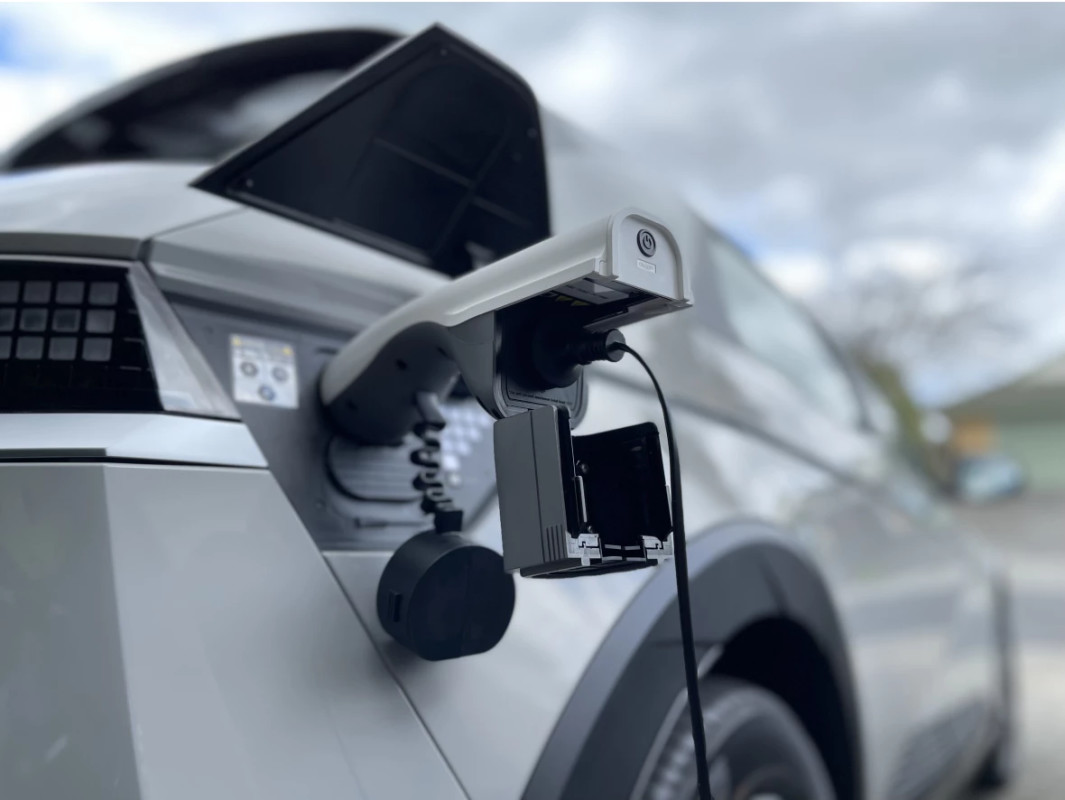
Final Thoughts
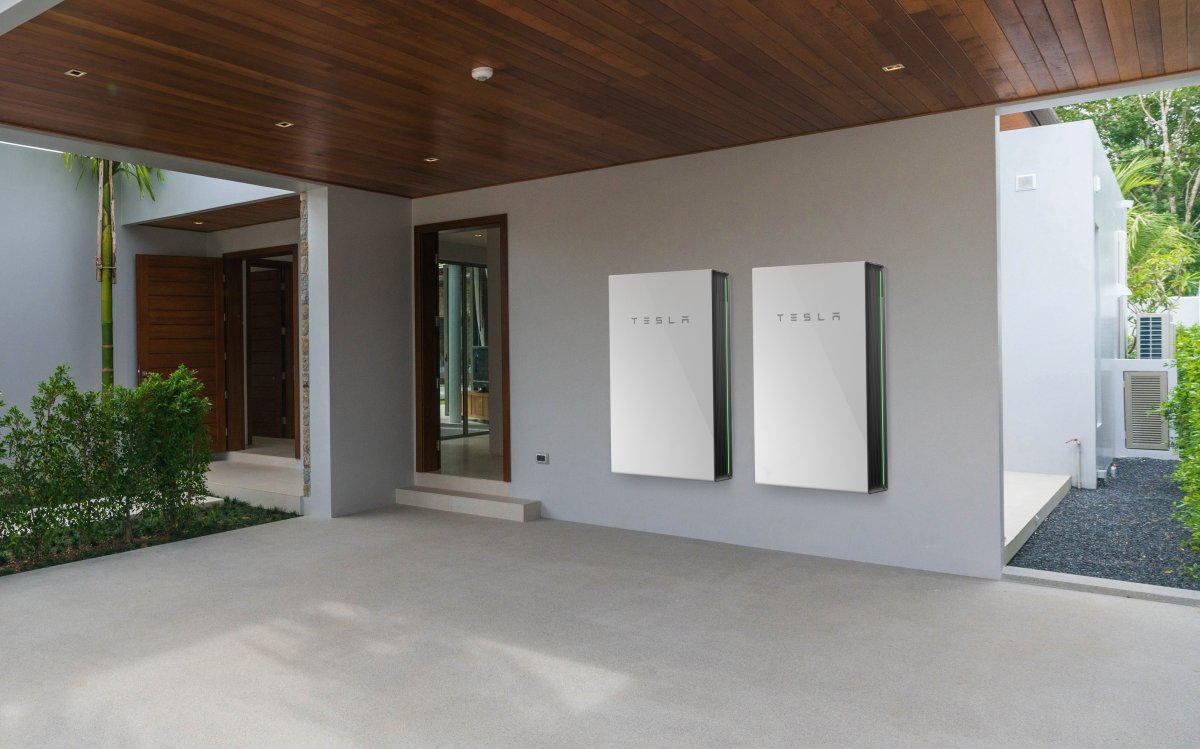
While Toyota experiments, other manufacturers have already delivered. The Ford F-150 Lightning’s 9.6 kW of V2H power is enough to run an average house for three days during outages. Nissan pioneered this space in 2013 with the Leaf, theoretically letting owners earn money by feeding power back during peak demand. General Motors standardized V2H charging across its 2024 electric lineup, while Hyundai and Kia are running European pilot programs with the Ioniq 5. Tesla‘s Cybertruck now delivers 11.5 kW of home backup through its Powerwall system.
Despite Toyota’s grand projections, implementation faces obstacles. Most grids aren’t configured for bidirectional charging, and the home charging equipment costs thousands of dollars, turning off users who own vehicles with V2G capability. Then there’s battery degradation from working those extra cycles, and the fact that the regulatory framework governing electricity sales varies wildly from state to state. While the current costs associated with setting up bidirectional charging still skew the economics against it, the time when it all makes sense and Toyota’s vision comes to life isn’t so far off.