After Years of Rumors, Geely Confirms Plans to Enter the U.S. Market
Geely Signals U.S. Ambitions at CES
Chinese automaker Geely used CES 2026 to send its clearest signal yet: it’s preparing to enter the U.S. market. In an interview with Autoline Network, Ash Sutcliffe, Geely Holding Group’s head of global communications, said the company is “actively evaluating” a U.S. launch, with a formal decision expected within 24 to 36 months.
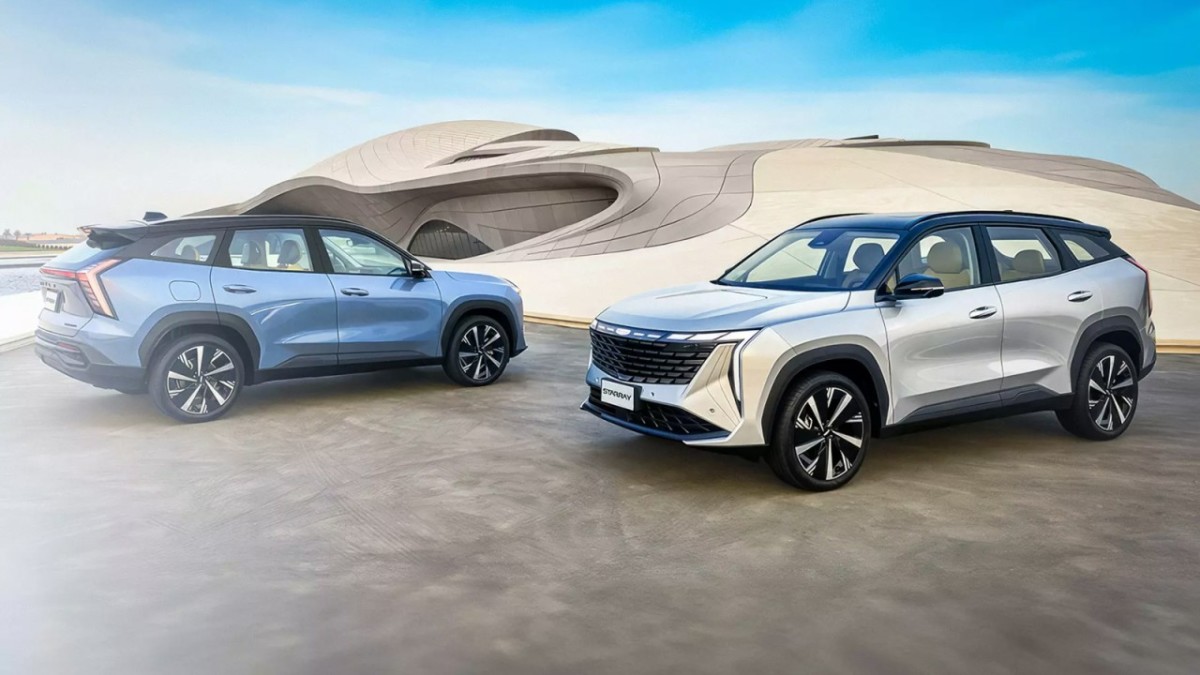
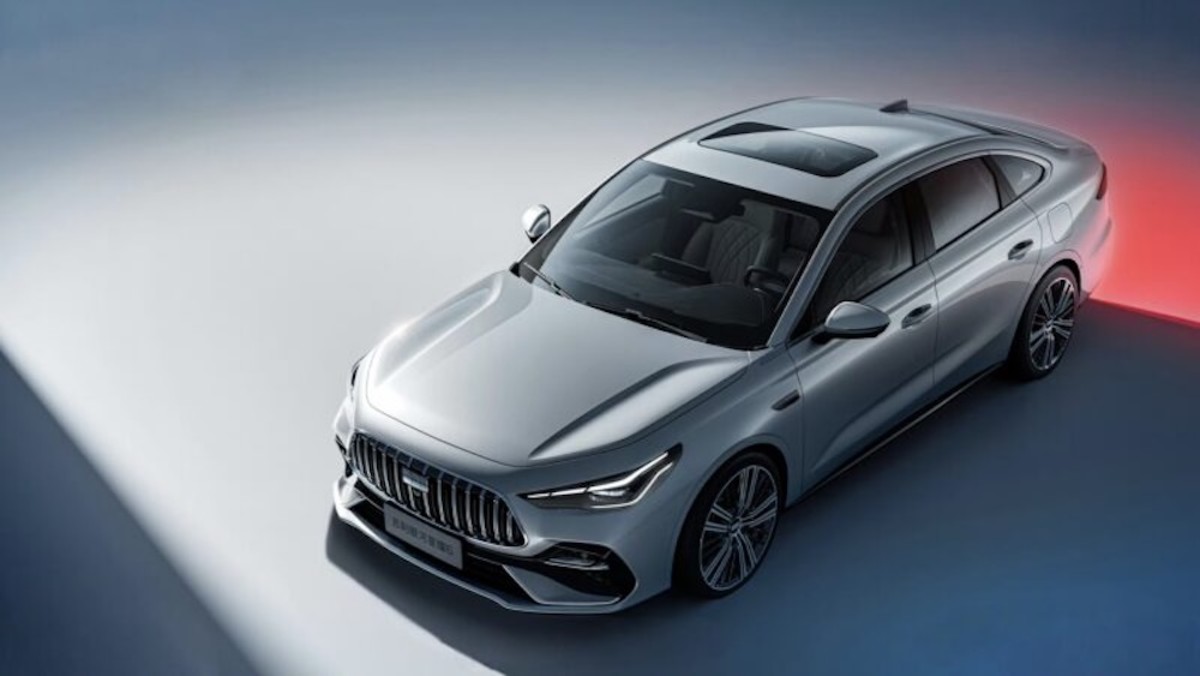
For years, the idea of Chinese automakers entering the U.S. was an industry rumor. Geely’s remarks at CES shifted it from speculation to strategy. Sutcliffe said Geely’s presence at the Las Vegas tech show was designed to give U.S. media a first-hand look at the fit, finish, and technology behind modern Chinese vehicles.
The group already has deep U.S. ties through Volvo, Polestar, Lotus, and Smart, which it either owns or co-owns. Brands like Zeekr and Lynk & Co are seen as likely candidates for a future U.S. debut.
Chinese Automakers Rattle Detroit
Geely’s plans highlight growing pressure on U.S. automakers from China’s fast-rising EV industry. Chinese brands are reshaping the global market with low costs, strong supply chains, and rapid innovation. China is now the world’s largest car exporter, thanks to its dominance in EV production and battery supply.
Detroit automakers see the risk clearly. Ford CEO Jim Farley warned that Chinese manufacturers could “put us all out of business” if given full access to global markets. Washington has tried to slow the advance through tariffs and data rules, but the long-term threat remains. For Geely, local manufacturing could be a way around trade barriers. The company is exploring production options through Volvo’s plant in South Carolina to meet U.S. regulations and qualify for EV incentives.
Geely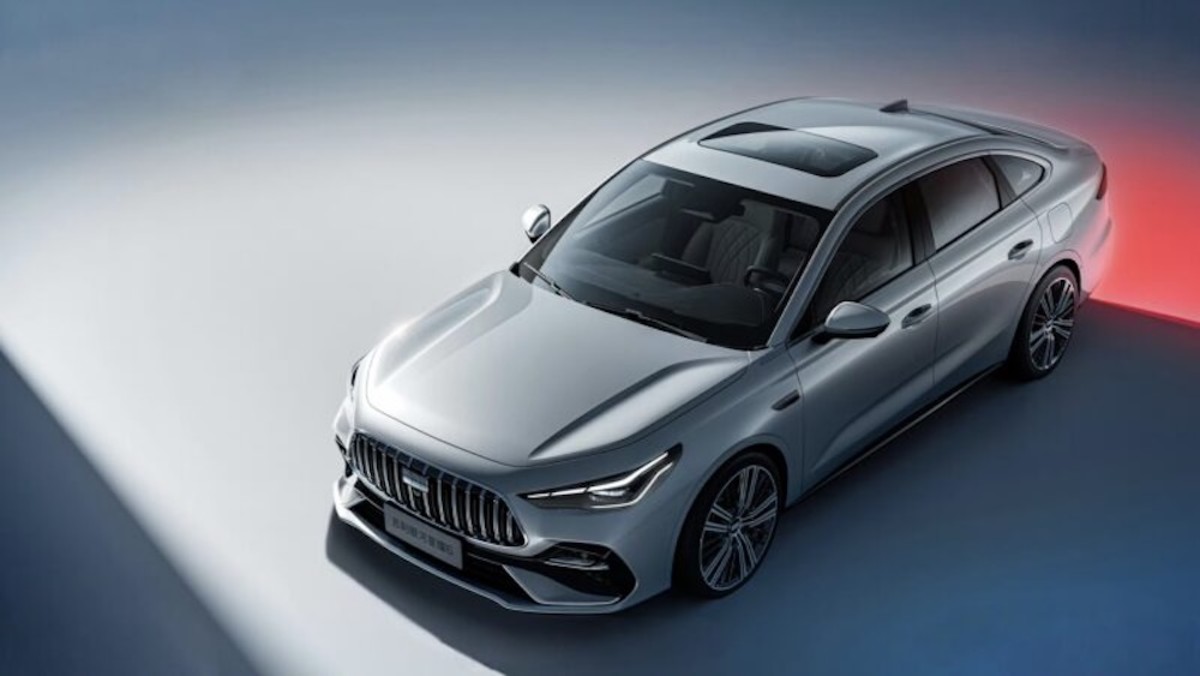
Playing the Long Game
Moreover, Sutcliffe acknowledged political and data security challenges but said they are part of doing business globally. With experience under Europe’s GDPR and California’s CCPA, Geely can adapt its software and data practices to U.S. standards. The company appears to be laying groundwork quietly rather than rushing in.
Winning American consumers will take time. Chinese products still face skepticism, but quality and value often overcome perception, just as Japanese and Korean brands did decades ago. Geely’s expanding global lineup of affordable luxury EVs could appeal to U.S. buyers if priced competitively. Its eventual entry could also pressure U.S. automakers to step up on cost, technology, and execution. One thing is for sure, though: Geely and the rest of the Chinese car companies are coming, just not yet.
Geely