Congress Moves to Fast-Track Self-Driving Cars Without Steering Wheels
Congress Reopens the Door for Robotaxis
A key U.S. House panel is preparing to revisit one of the most contentious questions in modern transportation policy: how quickly autonomous vehicles should be allowed onto public roads.
On January 13, the House Energy and Commerce subcommittee will hold a hearing on draft legislation designed to accelerate the deployment of self-driving vehicles that operate without traditional human controls like steering wheels or pedals. The move signals renewed momentum after years of gridlock in Congress, even as robotaxi testing quietly expands across major U.S. cities.
Under current law, the National Highway Traffic Safety Administration (NHTSA) can exempt only up to 2,500 vehicles per automaker per year from certain federal safety standards, provided companies can prove they are safe.
Automakers argue that the cap is far too restrictive for meaningful commercial deployment. One proposal under discussion would raise that limit dramatically, to as many as 90,000 vehicles annually, while also revisiting rules written for human-driven cars, such as mandatory rear-view mirrors or steering wheels. Supporters say the changes are necessary to keep U.S. autonomy efforts globally competitive; critics warn they could weaken safety oversight just as the technology faces growing scrutiny.
A Policy Tension: High-Tech Autonomy vs. Simpler Cars
The push to fast-track autonomous vehicles stands in sharp contrast to other signals coming from Washington about the future of cars. In parallel, the Trump administration has floated ideas aimed at rolling back complex regulations and encouraging simpler, more affordable vehicles, most notably through relaxed fuel economy rules and public enthusiasm for importing small, no-frills Japanese kei cars. Those initiatives emphasize accessibility, mechanical simplicity, and lower ownership costs, rather than cutting-edge software and sensors.
Taken together, the two directions reveal a fundamental contradiction in U.S. automotive policy. On one hand, lawmakers are considering sweeping federal preemption that would block states from setting their own autonomous driving rules and force a national framework for advanced driver-assistance calibration. On the other, political messaging around “old-school” cars appeals to nostalgia and consumer frustration with increasingly expensive, tech-heavy vehicles. The autonomy bills assume a future dominated by fleets of software-defined robotaxis, while the parallel deregulatory push suggests a desire to return cars to being simpler tools rather than rolling computers.
Speed, Safety, and an Unsettled Road Ahead
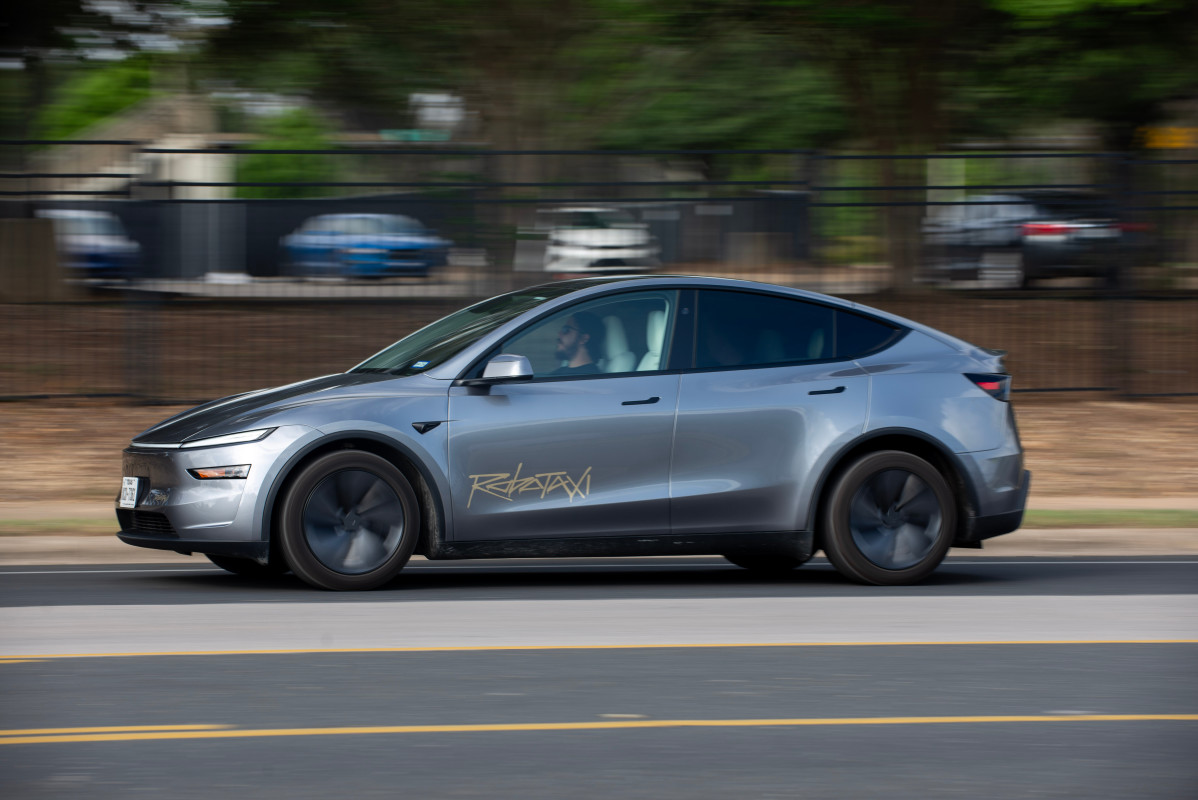
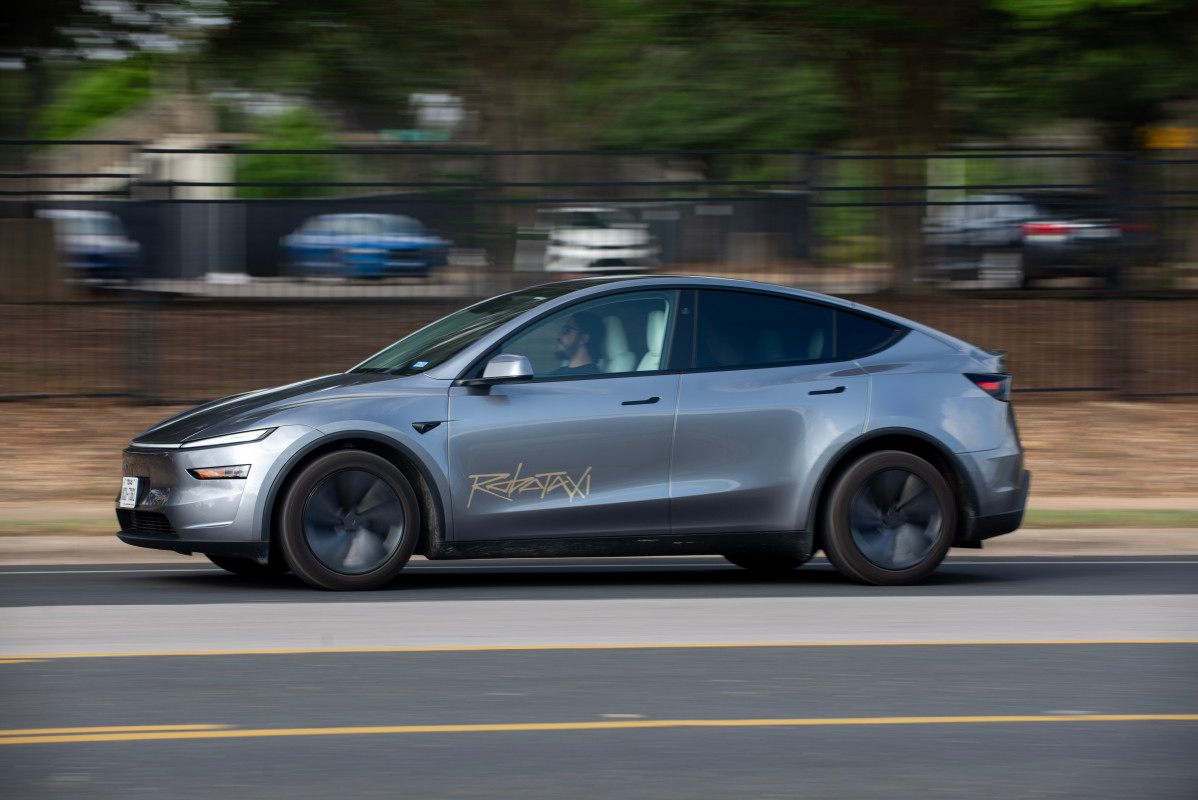
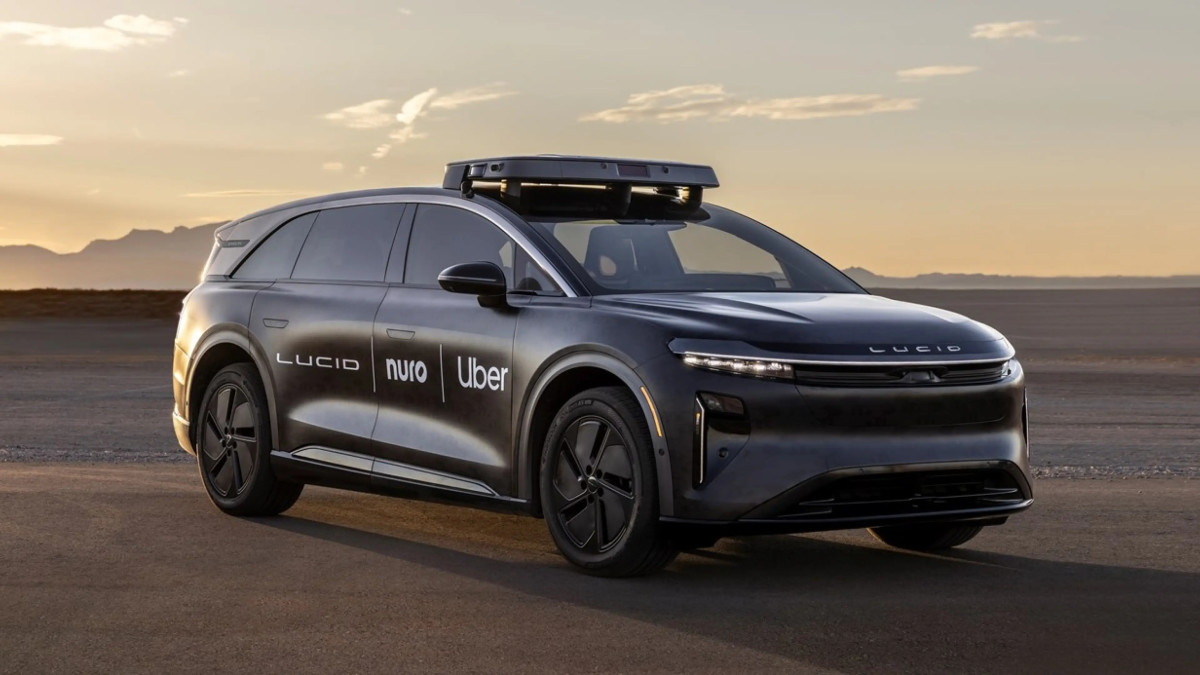
Real-world deployments are already raising the stakes. Tesla has launched a limited robotaxi service with safety monitors in Austin, while Waymo continues expanding into new markets. Mercedes-Benz plans to introduce a city-capable automated driving system in the U.S. later this year under driver supervision. At the same time, high-profile incidents, such as a recent report of Tesla driver assist failing, have fueled skepticism from consumer advocates, labor unions like the Teamsters, and federal investigators.
The upcoming House hearing won’t resolve that tension overnight, but it could set the tone for the next decade of U.S. vehicle policy. Lawmakers face a delicate balance: moving fast enough to avoid ceding leadership to China and other rivals, while maintaining public trust in safety and accountability. Whether Congress can reconcile its enthusiasm for autonomous technology with its parallel push for simpler, more traditional cars will determine not just how quickly robotaxis arrive, but what kind of automotive future Americans ultimately get.