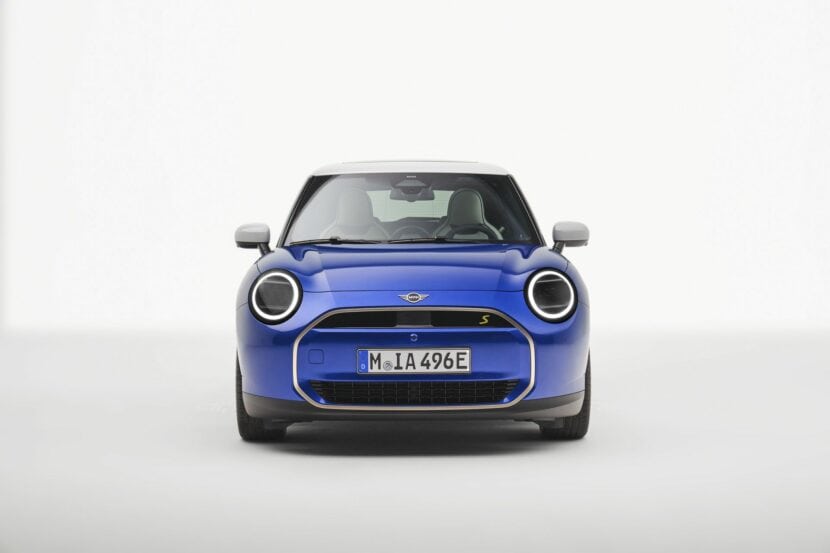
MINI Cooper Electric wins Euro NCAP “Best in Class” 2025
The fully electric MINI Cooper has added a second safety headline in 2025. After securing a five-star Euro NCAP rating in March 2025, the model has now been named Euro NCAP “Best in Class for Safest City & Supermini of the Year 2025.”
What Euro NCAP tested and what the scores mean
Euro NCAP’s March 2025 crash-test publication lists the tested model as the MINI Cooper E, a 3-door hatchback in the City and Supermini class, with a kerb weight of 1621 kg. Euro NCAP notes the rating applies from a VIN range covering all Cooper E.
The published category scores for the MINI Cooper Electric line in that test cycle are:
- 89% Adult Occupant
- 87% Child Occupant
- 77% Vulnerable Road Users
- 79% Safety Assist
Euro NCAP reports the passenger compartment remained stable in the frontal offset test, with dummy readings indicating good protection of knees and femurs for both front occupants. In side impact testing—including the more severe pole test—Euro NCAP records good protection across critical body regions and full points in those side assessments. It also flags marginal control of far-side excursion (movement toward the struck side in far-side impacts), while noting the car has a countermeasure to mitigate occupant-to-occupant injuries.
For rear impacts, Euro NCAP states tests of the front seats and head restraints showed good whiplash protection, and its geometric analysis indicated good whiplash protection in the rear seats as well.
Euro NCAP also lists post-crash and rescue-related provisions including an ISO-compliant rescue sheet, advanced eCall, multi-collision braking, and a submergence check marked compliant; it says MINI demonstrated that doors and windows would be openable to support occupant escape in a submergence scenario.
Child occupant: high crash-test performance, with notes on rear-seat packaging
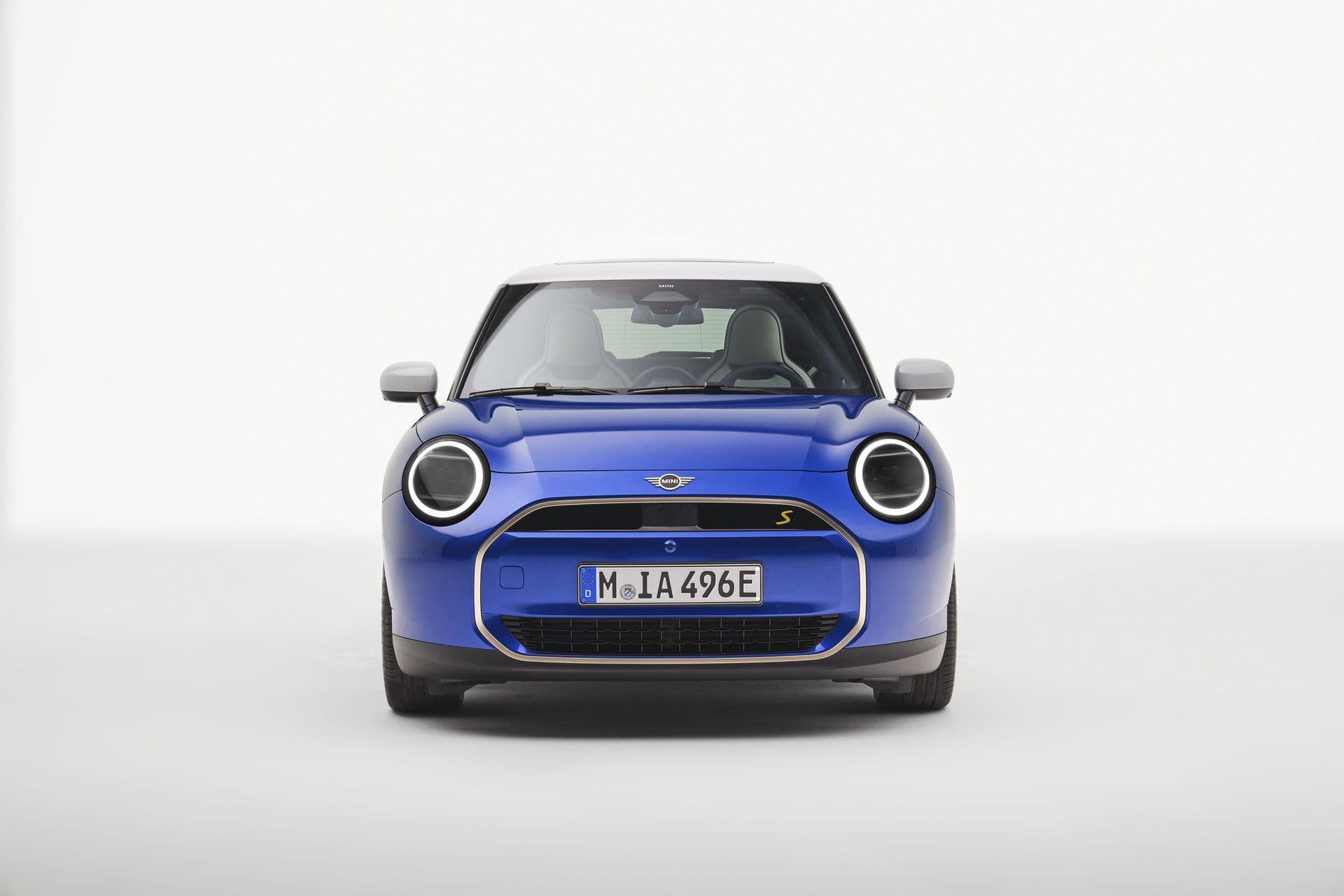
Euro NCAP’s child-occupant testing references restraints used in its assessments: a Britax Römer KidFix i-Size for the 6-year-old dummy and an Osann Up for the 10-year-old dummy. It reports that, because the MINI Cooper E has limited rear-seat space and standard child dummies’ legs are inflexible, Euro NCAP uses additional tests to assess child protection; those tests indicated good or adequate protection for critical body areas in both frontal offset and side barrier tests.
Euro NCAP also notes the front passenger airbag can be disabled to allow a rearward-facing child restraint in that seat, and that the system provides clear status information to the driver. It adds that child presence detection is not standard on the Cooper E.
Vulnerable road users: strong mitigation scores, with specific deductions
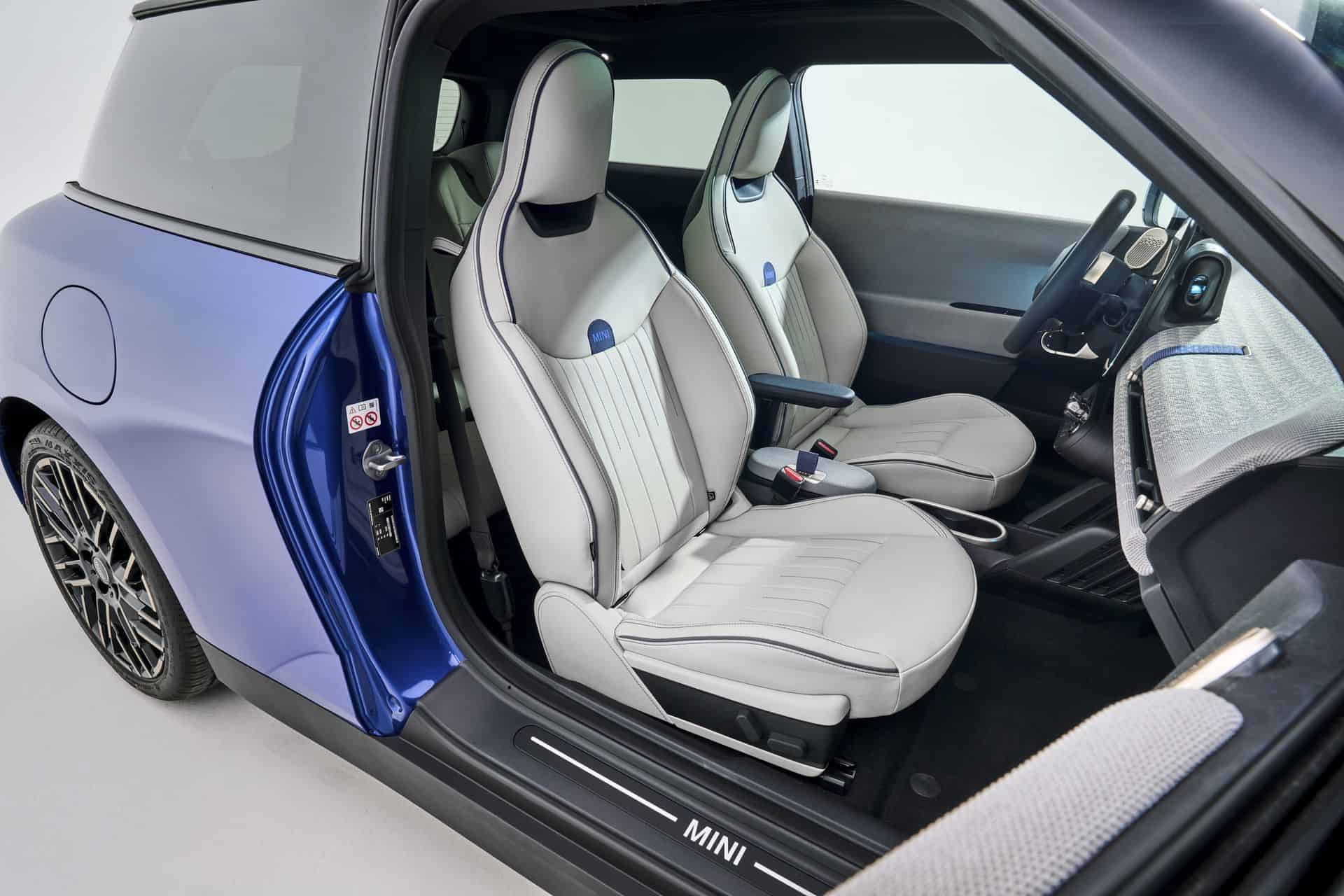
In its vulnerable road user section, Euro NCAP reports that pelvis, femur, and knee/tibia protection scored strongly, but that head protection was largely marginal or adequate, with poor results in areas including the stiff windscreen pillars and the base/top of the screen.
On active safety for pedestrians and cyclists, Euro NCAP records:
- VRU Impact Protection: 25.8 / 36 points
- VRU Impact Mitigation: 23.2 / 27 points
- AEB Pedestrian: 6.9 / 9 points
- AEB Cyclist: 7.8 / 8 points
It also notes that cyclist “dooring” protection scored no points because the feature is not on by default, while the system’s response to motorcyclists achieved maximum points in the relevant tests.
Safety assist: lane support and AEB performance headline the driver-assist results
Euro NCAP’s Safety Assist breakdown includes Lane Support: 3.0 / 3 points and AEB Car-to-Car: 8.1 / 9 points. The lane system is described as lane departure warning with active return (LKA and ELK) operational from 60 km/h, while the forward collision warning with brake intervention is listed as operational from 5 km/h using a camera.
Euro NCAP also reports that the car’s indirect driver status monitoring detects fatigue but not distraction, and that the intelligent speed limiter is not default ON (with the speed-limit assist using camera and map support).
Overall, the safety ratings show a 89 percent in occupant protection, 87 percent in child safety, and 79 percent in safety assist systems.
First published by https://www.bmwblog.com