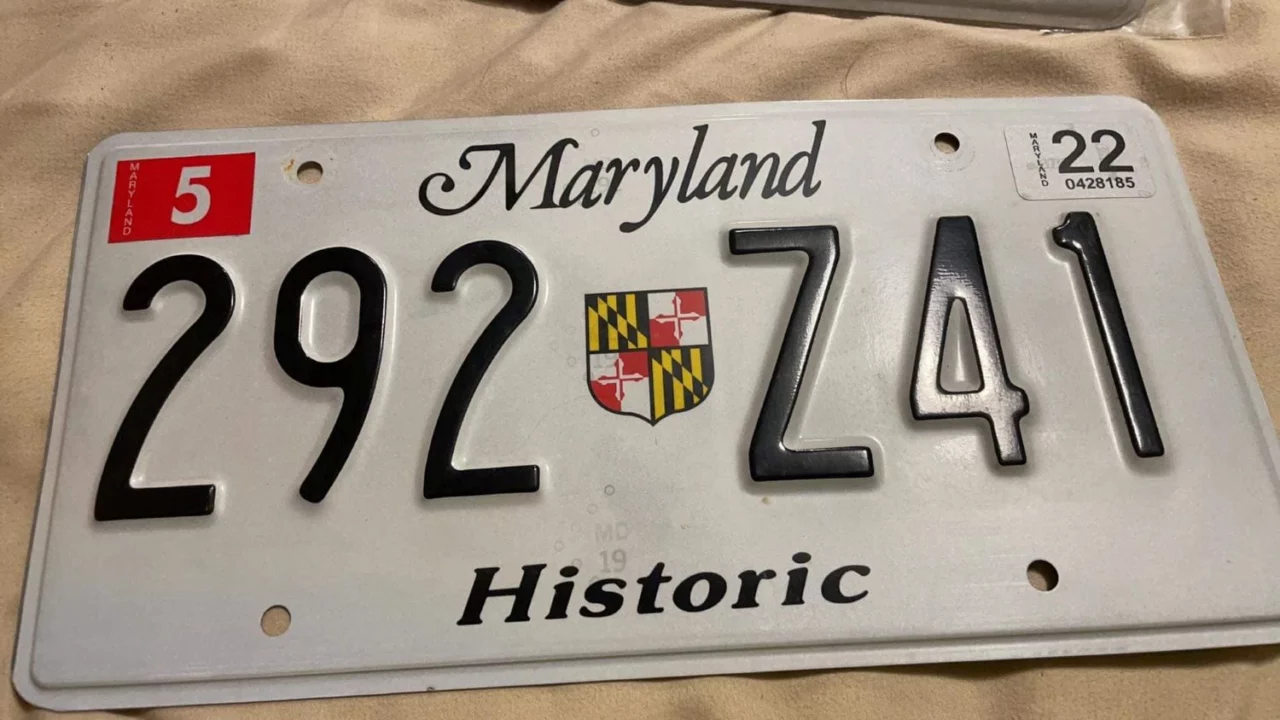
No More Camrys with Historic Plates in Maryland
As a decentralized country, the United States features 50 independent states that are united under one federal government. As such, each one of the 50 has laws that may differ from those of other states, including how automobiles are licensed. This is especially true for antique or historic vehicles. The seventh state of the union—Maryland—has found its citizens in opposition to the rules as they were intended and has taken action to curb their behavior.
If seeing Toyota Camrys with historic plates has had you scratching your head, you’re not alone. But it’s not so much that some Millennial thinks his/her car is historic as it is gaming the rules. Until recently, Maryland considered cars 20 years old or older “historic,” and many residents applied for historic plates because they cost less (originally about 58 percent the cost of regular plates, though since mid-2024, it’s about 29 percent) and can give you a pass on certain things like annual safety inspections.
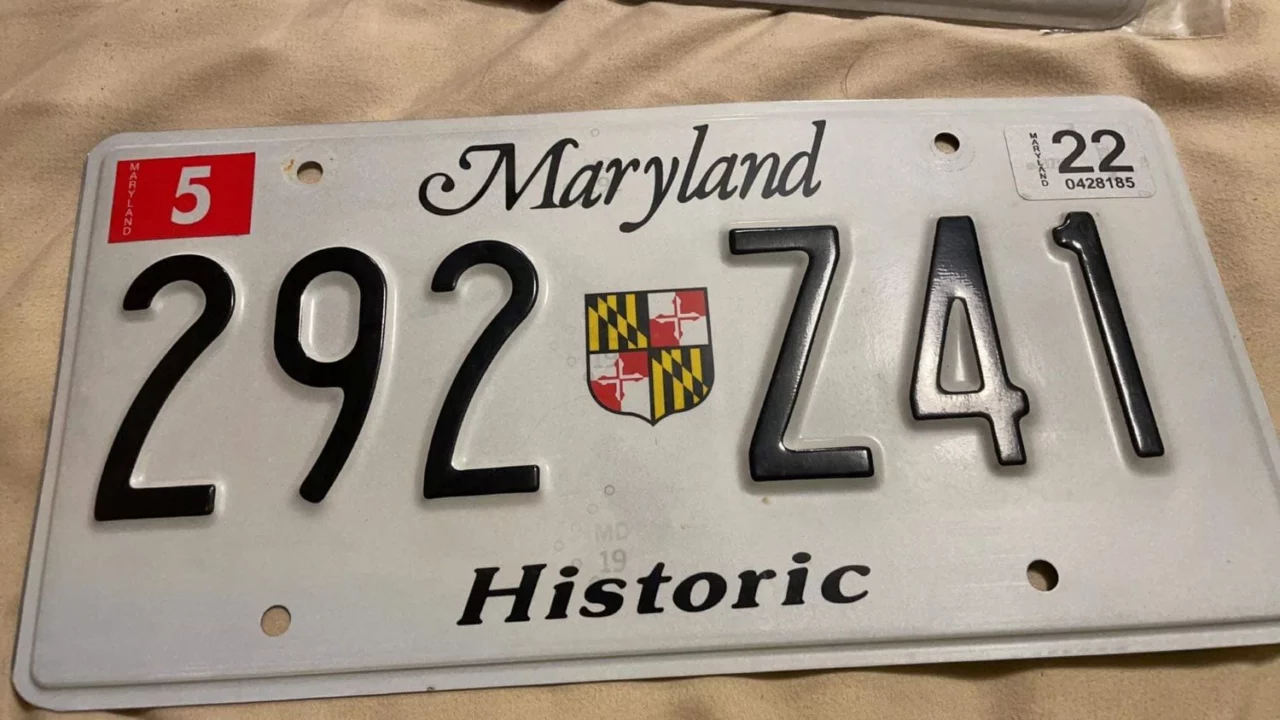
According to the Wall Street Journal, Maryland’s department of motor vehicles issued around 60,000 historic tags in 2024 (the year before it began cracking down on these scofflaws)—that was a 34-percent jump from just three years earlier. Even more profound: close to 60 percent were for cars from the 2000-2004 model years. Care to guess the most popular cars? Chevrolet Silverado, Ford F-150, and Honda Accord (sorry, Camry, but you’re still the whipping boy here).
You and I know that a historic plate means one is restricted to using a vehicle in parades, car shows, exhibitions, occasional transportation, and similar uses, but that’s not how it ends up with the aforementioned Camry. Car clubs have complained, as relying on age itself diminishes what a historic vehicle actually is. In turn, the distinction ends up being diminished.
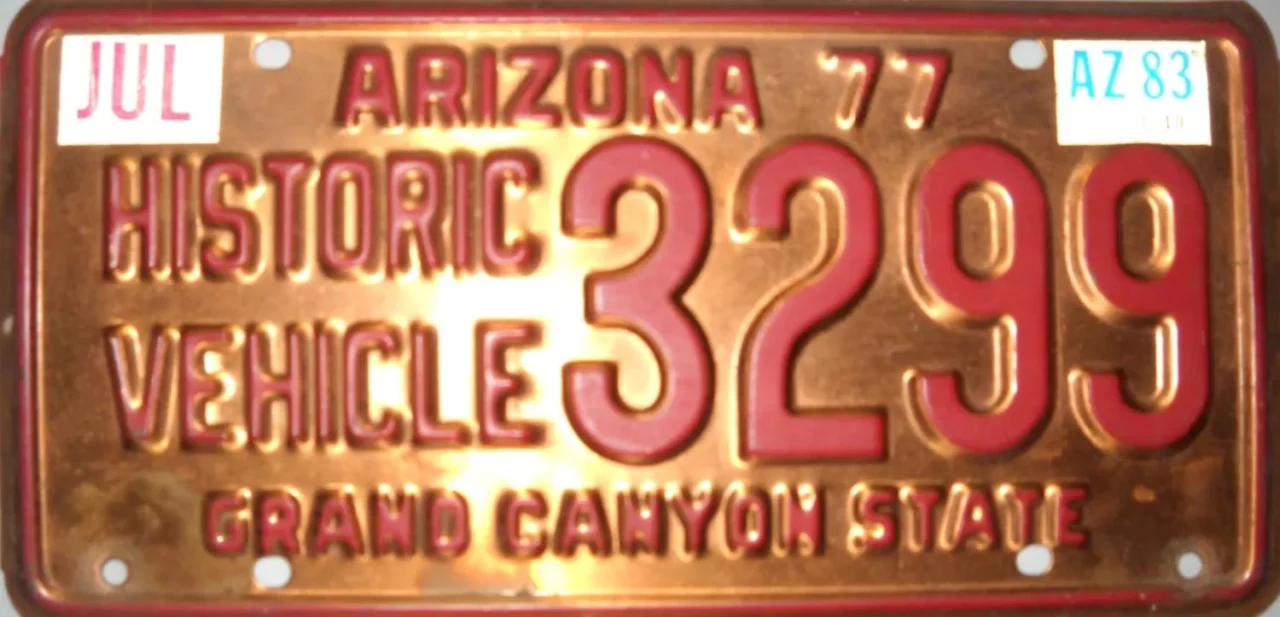
The state also sees the issue in another manner: liability and negligence. Unsafe vehicles with the shroud of historic plates are a liability on the road. It should be no surprise that lawyers have gotten smart to this tactic—what should you do if you’re in an accident with a “historic” vehicle?
One idea to combat this is to require residents to put standard tags on one car before obtaining historic plates for another, which demonstrates that the owner has one reliable, mainstream vehicle. For now, the Maryland legislature has approved a 25-year definition—yeah, still arbitrary—that took effect January 1, 2025. This affects approximately 72,000 scofflaws, which is one-third of all historic tag holders. Unfortunately, the age marker is not rolling, meaning a 2000 model year vehicle will never achieve historic status, according to Maryland.
With a new legislative session under way, let’s see how this pans out.