Rivian Has Started Building R2s on Its Production Line
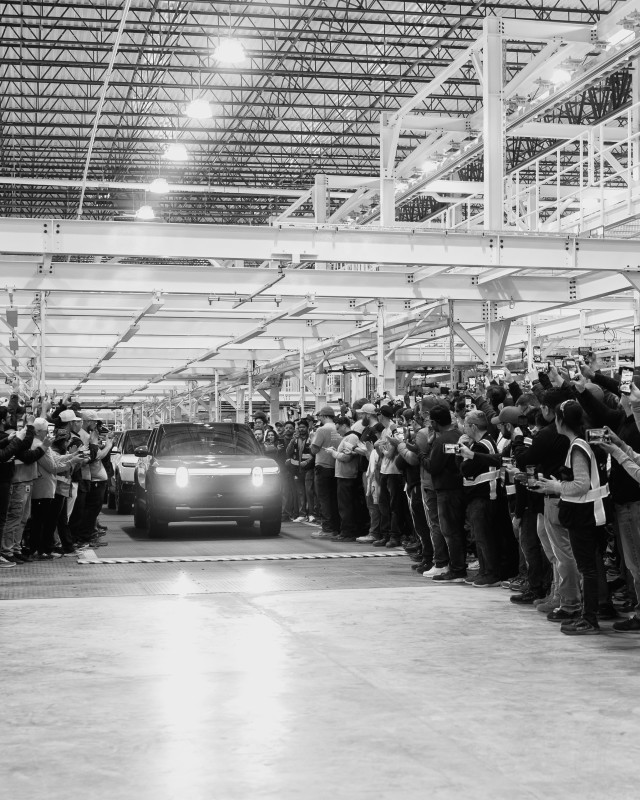
Rivian’s next big product is getting closer to customers. In a post on X, the company says it has begun building manufacturing validation units of the R2 at its Normal, Illinois plant, a key milestone that typically signals a program is moving from prototype work to production readiness.
Rivian has been targeting the first half of 2026 for initial R2 deliveries, and validation builds are the stage where factory processes, parts fit, and build quality are stress-tested before full volume assembly begins.

What Manufacturing Validation Builds Really Mean
Validation builds are not show cars and they are not hand-made prototypes. They are pre-production vehicles assembled on the intended production line using production intent parts and tooling, with the goal of catching issues that only appear when a car is built the way customers will receive it. This phase is where manufacturers confirm repeatability, verify that suppliers are delivering consistent components, and ensure the plant can hit quality targets at speed. If something is off, this is when it gets corrected, because every small problem becomes expensive once mass production starts.
R2 manufacturing validation builds are rolling off the line in Normal! 12 months ago, this was a grass field — incredible work by our teams to get our R2 plant built so quickly! pic.twitter.com/1GsRCsKpyQ
— Rivian (@Rivian) January 15, 2026
For Rivian, it is also a proof point that the company can execute a second major vehicle program while it continues building R1 models. That matters because Rivian’s growth story now depends on the R2 reaching a much broader audience than the R1T and R1S ever could.
Why The R2 Timeline Matters So Much
Volumes fell year over year, and the company needs the R2 to expand demand while supporting a healthier cost structure. Moving into manufacturing validation is a tangible step toward that pivot, because it indicates Rivian is no longer just designing the R2, it is actively proving it can build it.
Hitting a delivery window is only half the battle for them, the other half is ensuring the product is robust when it reaches real owners, especially as Rivian’s growing fleet is now being watched more closely for recalls and design decisions. Early 2026 has already brought attention to Rivian’s first recall of the year. Owner behavior also shows how customers respond when usability questions emerge. Those stories show why validation builds matter, because production readiness is not only about speed, it is about getting the details right before scale amplifies them.
Why It Matters
Rivian’s R2 is the make or break volume play for the brand, and manufacturing validation builds are the clearest signal yet that the launch is entering its final stretch. If Rivian can translate this milestone into a smooth production ramp and solid early quality, the R2 has a real chance to reset the company’s trajectory in 2026.