CBS Says California Adds Hidden Fees That Inflate Traffic Tickets
A CBS News investigation says many California traffic tickets come with layers of added charges that can turn a modest base fine into a bill that is several times higher. The report describes a system of state mandated assessments that stack on top of the original citation amount, often without clear explanation on the notice a driver receives.
How A $100 Ticket Becomes Nearly $500
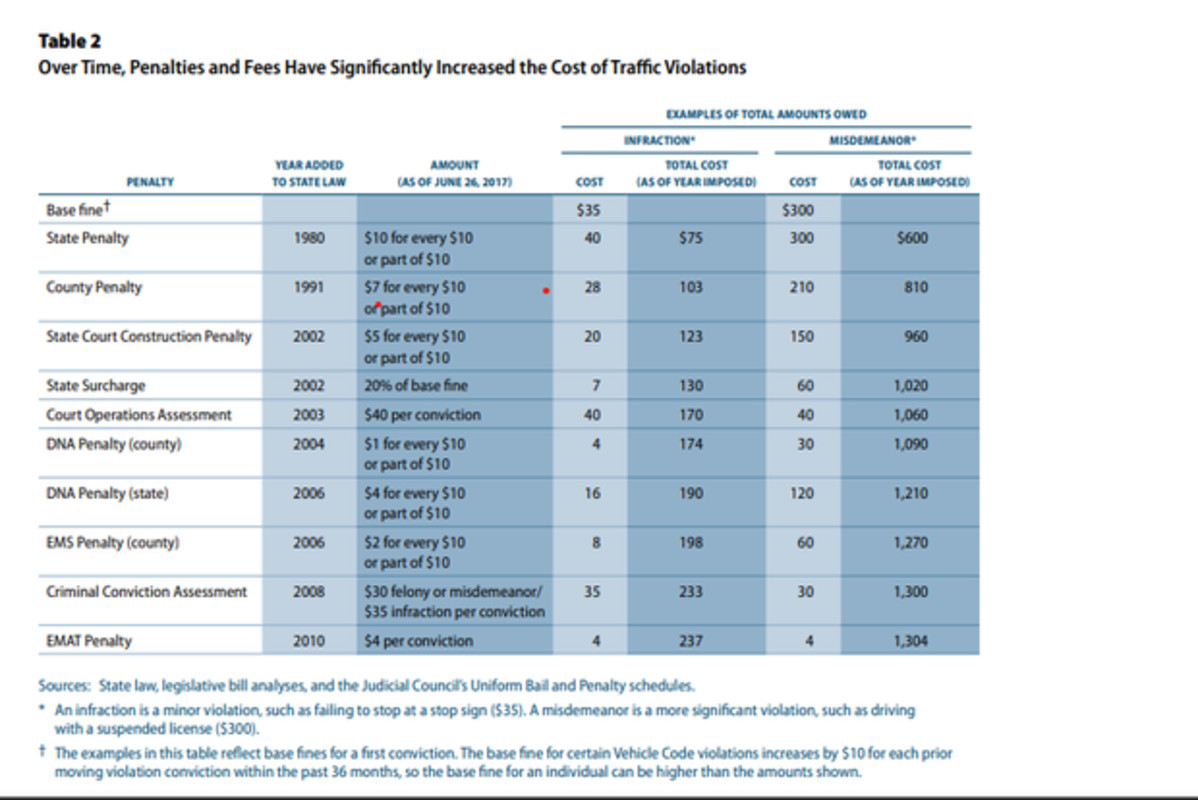
CBS highlighted a red light camera citation where the base fine was $100, but the total amount due was $486 once added assessments were applied. The investigation says these add ons are embedded in state law and have accumulated over time, creating a final figure that can surprise drivers who assume the ticket price is tied to the violation itself.
That matters as enforcement expands and automation becomes more common, including the rise of camera driven citations and newer systems that may rely on software.

Where The Money Goes And Why It Sticks
The report points to California State Auditor findings that the penalty structure has been built in a piecemeal way and that money from traffic penalties can flow into a wide mix of state and local funds, including programs that are not directly tied to road safety. The auditor also documented how a low base fine can balloon after assessments are added, and urged lawmakers to rethink the structure.
The impact can feel sharper in a state where driving rules are already strict and penalties can compound quickly, a dynamic that is easier to see when comparing how enforcement varies across the country.
What Drivers Can Do And What Comes Next
CBS reported that some drivers try to reduce the damage by contesting tickets, sometimes using paid services that help navigate court processes, but that approach still costs money and time, and it does not address the underlying fee structure. The bigger issue is transparency and proportionality, since drivers may accept responsibility for a violation but still feel blindsided by unrelated surcharges.
Ticket volume also matters because high issuance days can magnify the total financial impact on communities, a pattern seen outside California as well.