Volkswagen Hits Pause on the ID. Buzz, Hinting at a Bigger Plan
Not a Goodbye, At Least for Now
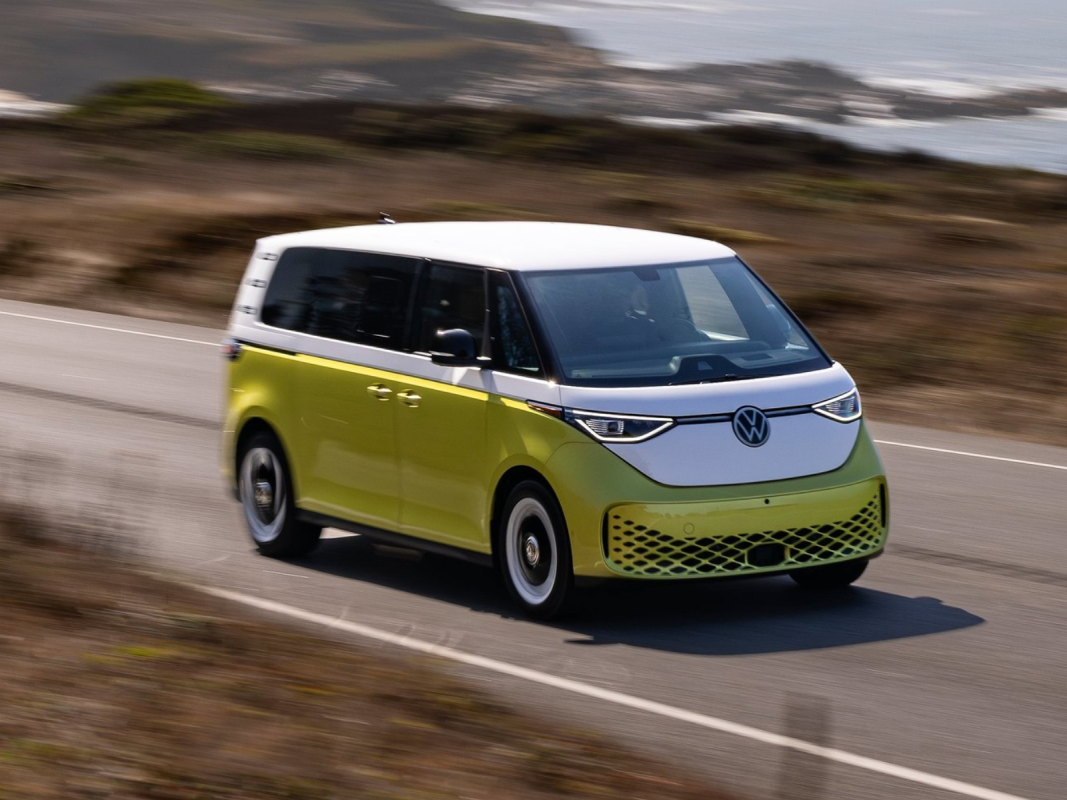
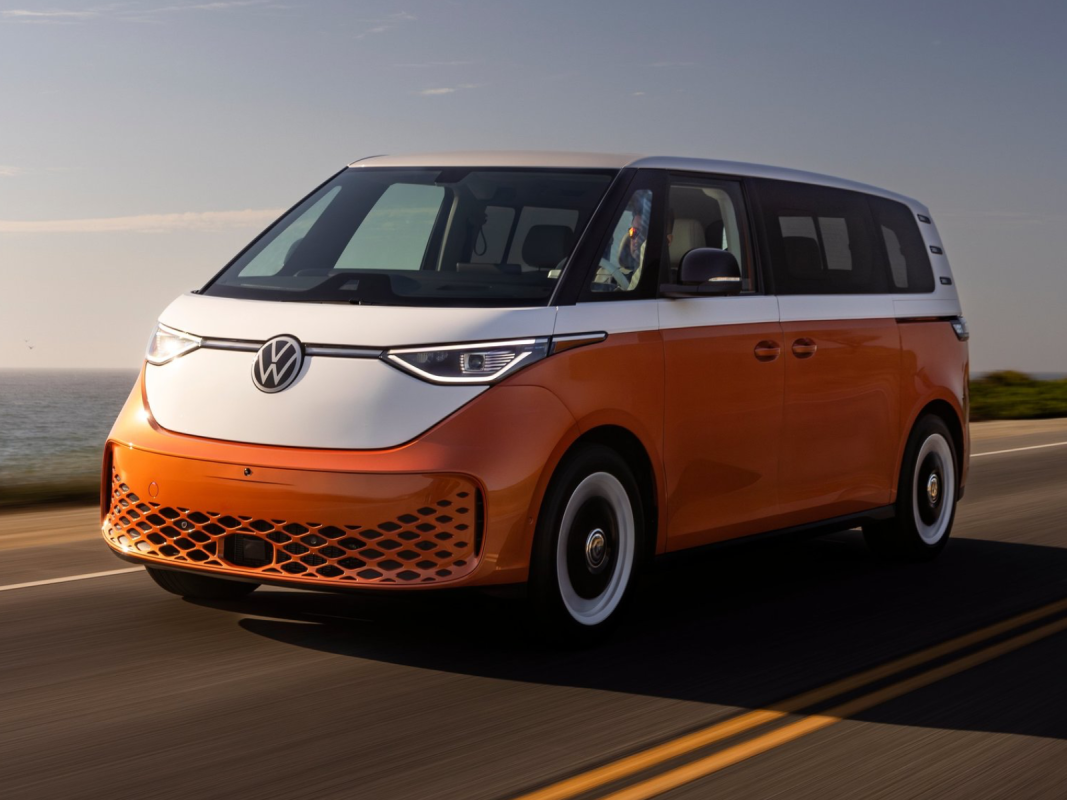
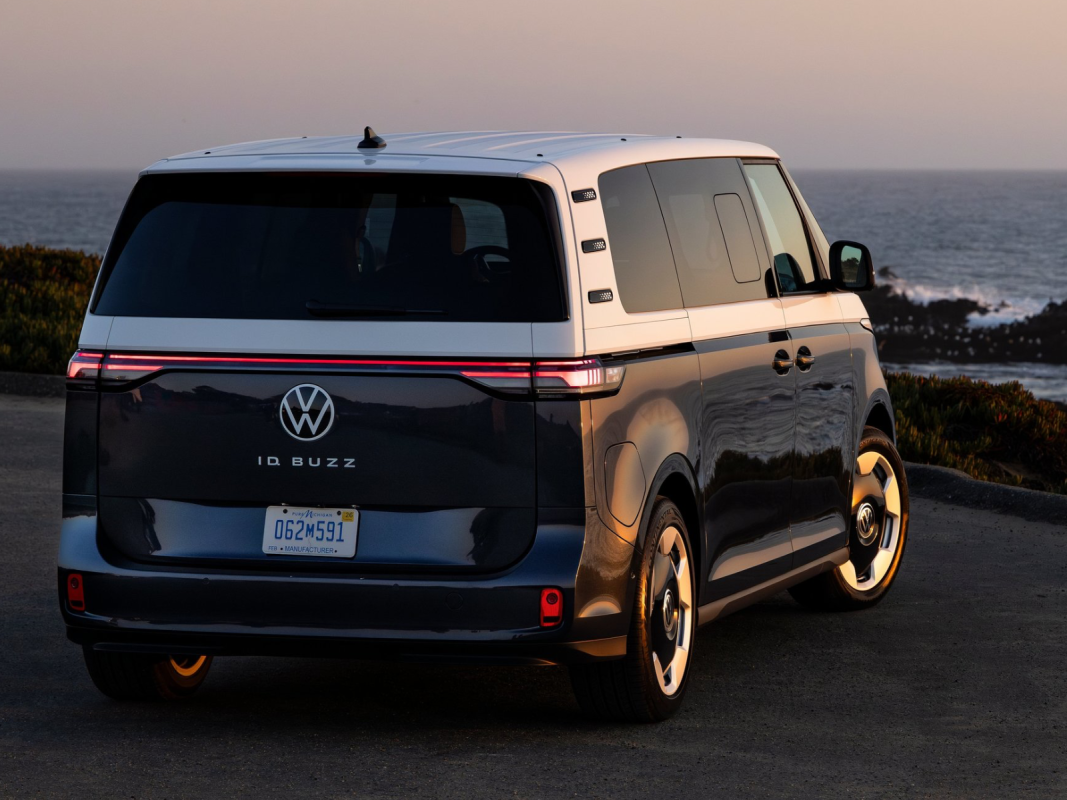
Following reports that Volkswagen has paused production of the ID. Buzz in Germany, the all-electric minivan is now expected to skip the U.S. market for the 2026 model year. However, the move may be more strategic than permanent. A Volkswagen spokesperson told Carscoops that skipping the 2026 ID. Buzz would allow the automaker to better support the current model year while preparing for a possible return in 2027.
The report added that Volkswagen is already preparing for what it described as an “MY27 transition next year,” though specific details were not disclosed. It also referenced a Reddit thread in which a customer shared a message from a dealer suggesting the model had been discontinued, an assertion VW has not formally confirmed. Taken together, these developments suggest the automaker may be reassessing certain aspects of the ID. Buzz in an effort to improve its market appeal.
A Tough Crowd to Win Over
One contributing factor appears to be demand. The ID. Buzz reportedly faced a production pause amid slowing demand and shifting market conditions, particularly in the U.S., where established minivans such as the Chrysler Pacifica and Toyota Sienna continue to dominate the segment. At the same time, broader pressures have made it more difficult to sell EVs, including the higher import duties. These factors have weighed on the ID. Buzz’s market reception, despite VW’s strong historical connection to the Type 2, also known as the Microbus in the U.S.
Pricing has also been a frequent point of criticism. The entry-level Pro S trim starts at $59,995, placing it roughly $20,000 above the starting price of a Toyota Sienna. For that figure, buyers get a rear-wheel-drive setup producing 282 horsepower and an EPA-rated range of 234 miles.
Only the long-wheelbase version of the ID. Buzz has been offered in the U.S., while European buyers have access to a more affordable short-wheelbase variant.
The Ever-Changing Market Strikes Again
The market has shown how quickly conditions can change. The past year alone has seen a notable shift in consumer sentiment, with internal combustion models regaining traction after years of EV momentum. In that context, a one-year absence leaves room for multiple outcomes, whether Volkswagen invests in a more competitive 2027 ID. Buzz or reallocates resources toward other models better aligned with U.S. demand.
The ID. Buzz is not the only Volkswagen EV facing challenges. Its compact crossover sibling, the ID.4, has also dealt with production disruptions and recall-related setbacks. Despite those issues, the model is still expected to continue into the 2026 model year.