The Badass Viper-Based Chrysler That Almost Made It to Production

A Great Era for Chrysler
From a product standpoint, at least, Chrysler was doing pretty well for itself in the ’00s. Never mind the fact that things were less rosy behind the scenes (ehem, Daimler-Chrysler), some of the models introduced that decade from both Chrysler and Dodgeremain memorable even today.
Okay, not all of its products during that era were bangers, but do remember this was a time when the 300 came out. The minivans were also comprehensively redesigned, the Charger was reborn, and the Challenger staged a comeback. And, laugh all you want, the PT Cruiser was pretty successful, too. We wouldn’t exactly call a car that sold 1.3 million times over a flop.
Chrysler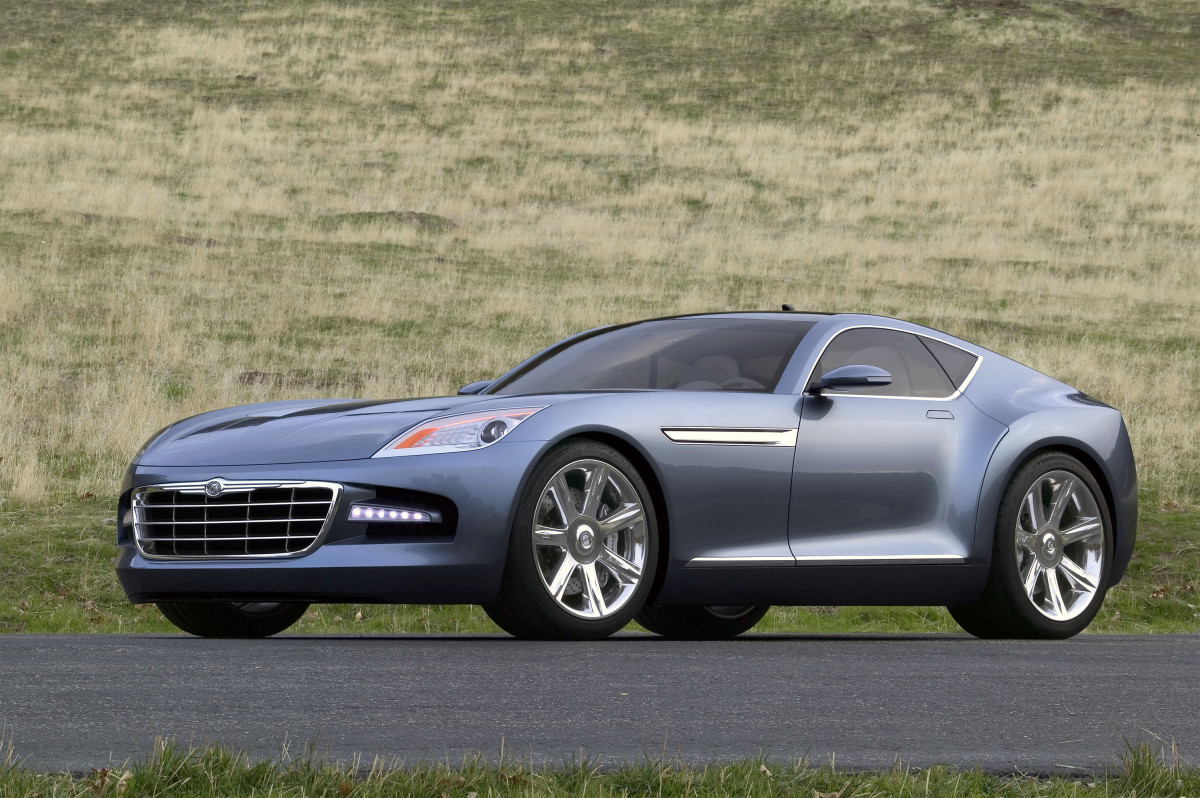
Fancy Viper, Anyone?
In the mid-’00s, Chrysler had a barrage of concepts ranging from realistic to downright wild. There was the Crossfire that eventually did reach production, as well as the extreme ME-412 that…didn’t. Between those two was the Firepower, and there were promising signs that it was being built for real.
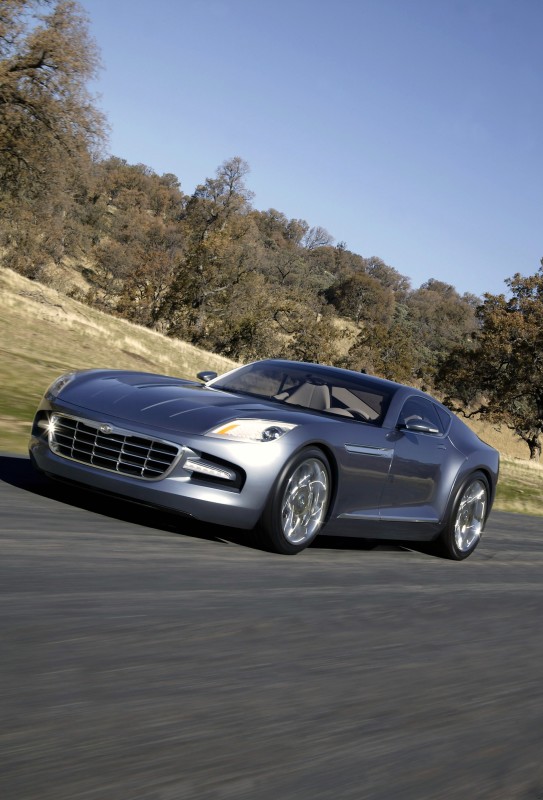
Presented at the 2005 North American International Auto Show, it was built on the second-gen Dodge Viper chassis. It was an elegant grand tourer with classic proportions: long hood, short deck, coke-bottle quarter panels, and graceful lines. Its exterior was penned by Brian Nielander, now Dodge’s chief exterior designer, while the interior was designed by Greg Howell, currently leading Jeep‘s exterior design department.
Nielander told Car and Driver back in 2005 that the Firepower was “an Aston for the common man.” Meanwhile, Trevor Creed, the senior vice president of Chrysler Group Design at the time, described the car as one that “provides luxury, refinement and sophistication blended elegantly with passion and performance.”
C
More Prototype Than Concept
Unlike most concepts, the Firepower was, by all means, a working vehicle. There aren’t any crazy and unrealistic details, either. The body looked close to production, and the interior was functional for the most part. Most importantly, it had a proper engine in the form of a 6.1-liter Hemi V8 that would later be used in the 300C SRT8, Dodge Charger, and Dodge Challenger.
That engine was good for 425 hp and 420 lb-ft of torque, and was then hooked up to a five-speed automatic transmission. Aside from the chassis, the Firepower also used the Viper’s suspension setup, along with other parts from Chrysler and Dodge’s parts bin.
Performance stats from the manufacturer included a 0 to 60 mph time of 4.5 seconds, along with a top speed of 175 mph. Granted, its acceleration times can be matched by something like a Volkswagen Golf R these days, but it was blisteringly quick by 2005 standards.
Chrysler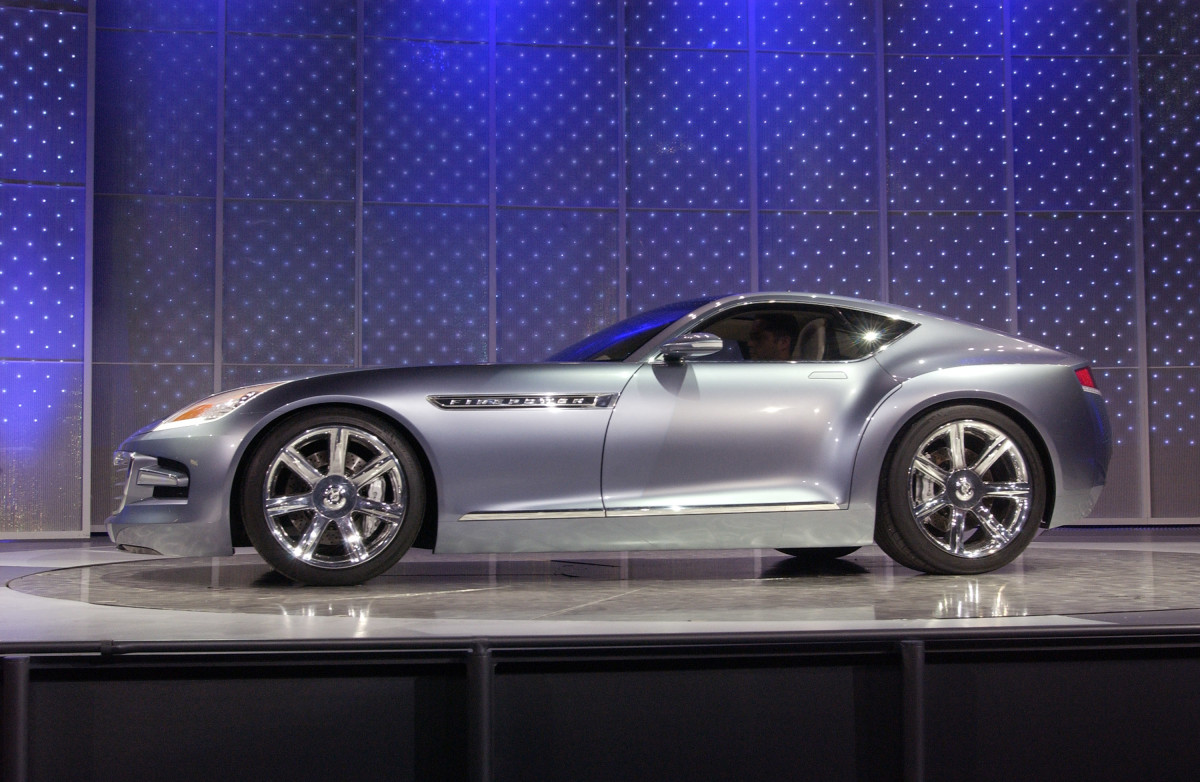
Production Plans and Eventual Cancellation
Motor1 reported that plans to put the Firepower in showrooms had progressed far. Thomas LaSorda, Chrysler CEO from 2006 to 2011, told Automotive News that the car was still on the agenda as of January 2006. However, it would be a disastrous year for Chrysler with massive losses and piles of unsold cars in inventory. Trevor Creed would deliver the bad news in December 2006, telling WardsAuto ‘We’re not doing Firepower. We just couldn’t find a viable way to do it.’
The succeeding years would be even more challenging for Chrysler. The rocky DaimlerChrysler marriage would be dissolved in 2007, and the company was sold to Cerebus Capital Management. The 2008 global financial crisis further compounded the automaker’s financial troubles, eventually forcing Chrysler into bankruptcy (again) the year after. It was eventually picked up by Fiat to form Fiat Chrysler Automobiles, which then eventually became Stellantis with even more brands joining the mix.
While it’s sad that the Firepower didn’t reach production, perhaps it was for the best. On paper, it was feasible given the common parts it had with several models. However, developing and building a low-volume niche vehicle had all the potential to worsen Chrysler’s cash flow issues at the time. It also could’ve been launched smack dab in the middle of an economic meltdown, and selling a luxury grand tourer at that time would’ve been unwise or even downright insensitive. Still, at least the lone car built is still around, but it’s still one of the biggest “what ifs” out there.
Chrysler