Tesla Has Over 1,000 “Robotaxis” on the Road—But They All Have Human Drivers
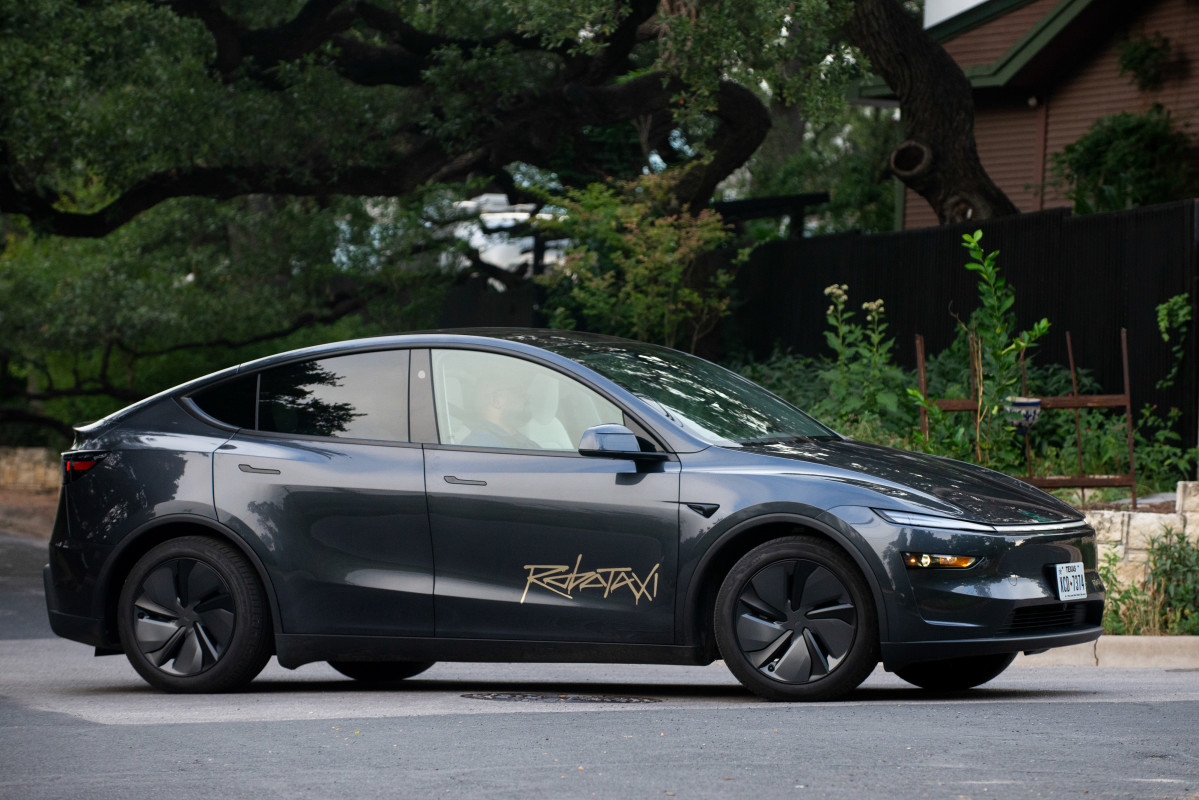
Tesla’s “Robotaxi” fleet is getting a lot bigger on paper, but the rollout looks very different from the fully driverless future Elon Musk has been pitching for years. In California, the company has registered well over a thousand vehicles for paid Robotaxi service in just a few months, yet every one of those cars still needs a human driver behind the wheel.
At the same time, Tesla is testing dedicated driverless prototypes and showing off future designs, from a Model S–based Robotaxi mule to a Cybercab concept that recently hit a showroom floor. The gap between those experiments and the service ordinary riders can actually use is where the story lives.
A Fast-Growing, Human-Driven “Robotaxi” Fleet
In the Bay Area, Tesla’s Robotaxi program operates under a Transportation Charter-Party permit, the same basic category used by chauffeured ride services. That allows it to carry paying passengers in FSD-equipped cars, but only with a human driver in charge. Since launch, Tesla has quietly ramped up its CPUC-registered fleet from just a few dozen vehicles into the low four figures, with hundreds of drivers approved as “AI operators” to run shifts in Model Y crossovers.
On the ground, the experience feels more like a Tesla-branded ride-hail than a sci-fi pod with no one in the front seat. The cars run the latest Full Self-Driving software, but regulators still treat it as driver-assistance that needs supervision. That legal framing is a long way from Musk’s older predictions about owners turning their personal cars into fully autonomous robo-fleets while they sleep.
The tension is that California’s Robotaxi service today still relies on conventional cars with human drivers. In Texas, Tesla has begun small-scale testing of driverless runs, but those pilot fleets are counted in dozens of vehicles, not thousands, and they operate under a different regulatory climate. Until Tesla secures and uses full autonomous permits in key markets, the Cybercab will remain a showroom promise rather than something you can actually summon on your phone.
BRENDAN SMIALOWSKI/AFP via Getty Images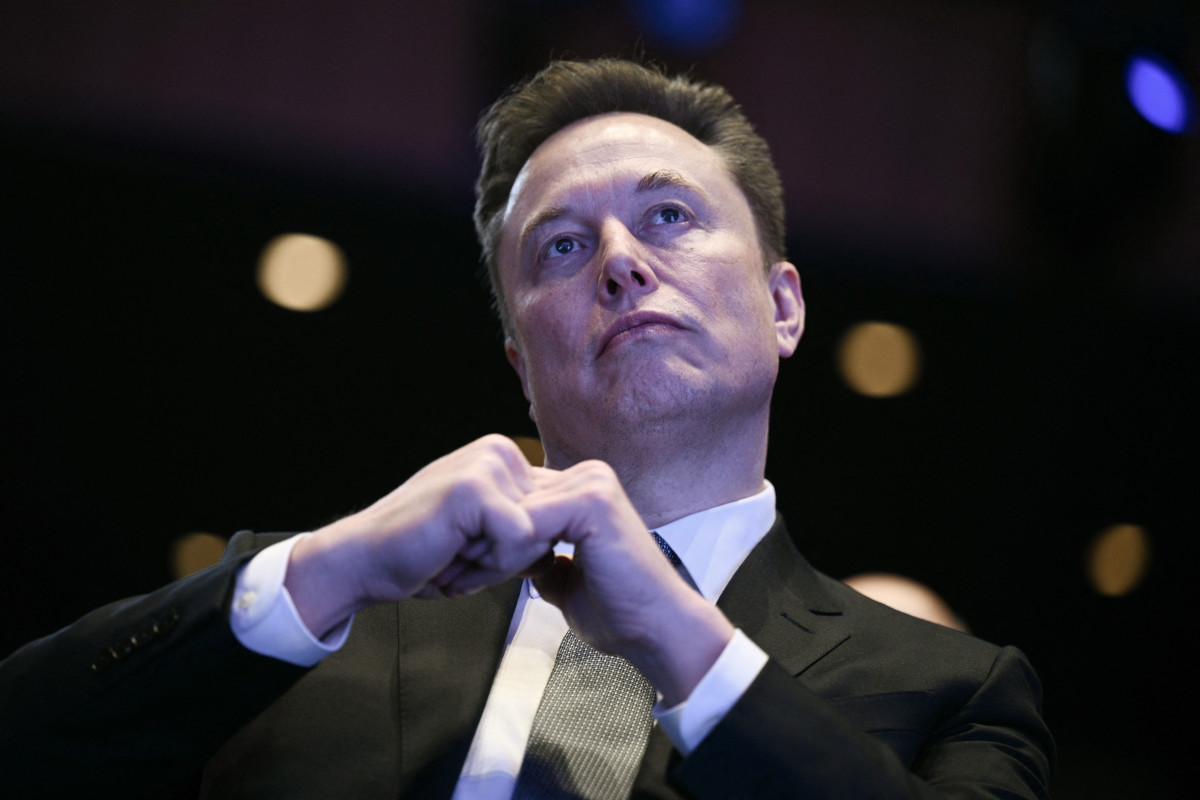
Expectations, Reality, And Tesla’s Track Record
Musk has been promising coast-to-coast self-driving, a million Robotaxis, and fully unsupervised FSD “next year” for quite some time. Right now, it seems like a sensible middle ground: expand a supervised fleet, collect data, and continue developing the hardware and software for driverless operations simultaneously. Critics say that labelling a human-driven service as a “Robotaxi” only adds to the confusion that regulators have already expressed concerns about, particularly as California examines how Tesla promotes Autopilot and FSD.
On the other hand, Tesla does have a track record of eventually delivering on some things that once sounded far-fetched. The Cybertruck, for example, took plenty of heat for its polarizing shape and stainless steel body, yet it just secured a top safety rating after many said that would never happen. The open question is whether Robotaxis will follow a similar path from overpromise to eventual execution, or whether the gap between branding and reality will keep widening as more “Robotaxis” hit the road with human drivers still firmly in charge.