BYD Has Overtaken Tesla as the World’s Top EV Seller
BYD Takes the Lead
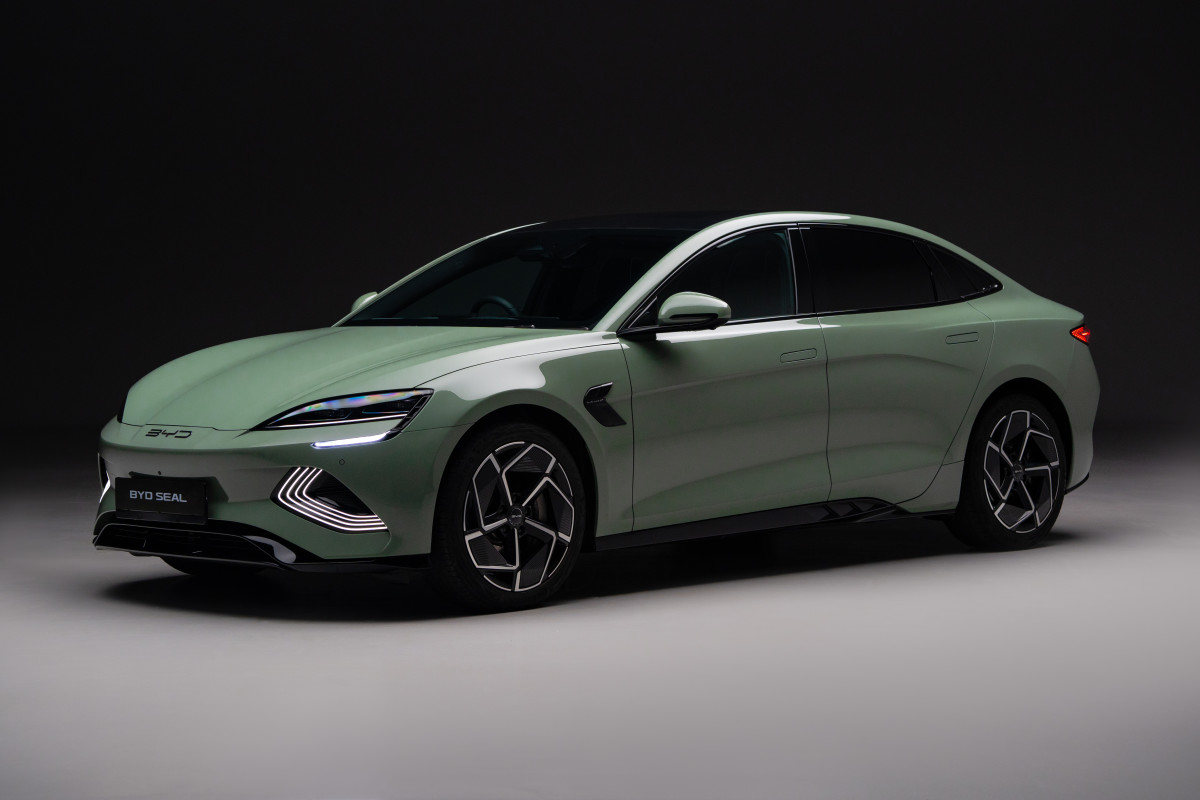
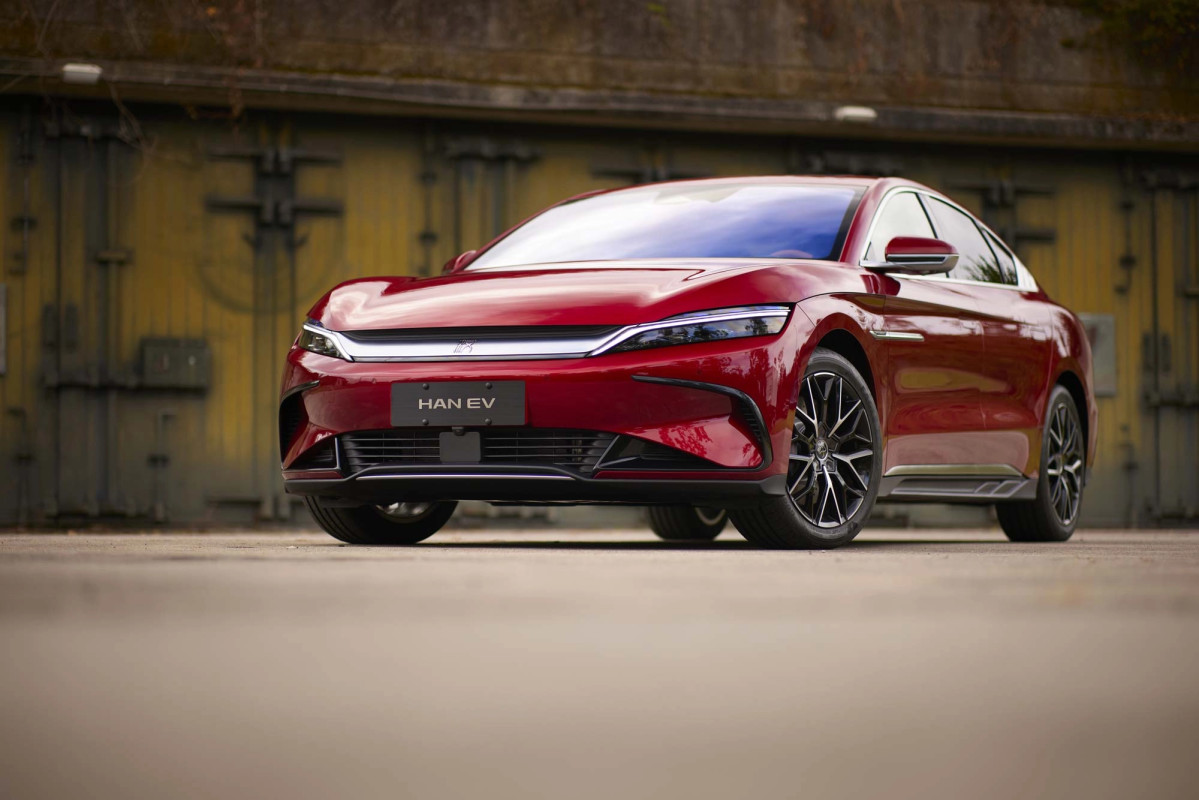
BYD has overtaken Tesla to become the world’s best-selling battery-electric vehicle (BEV) maker, outselling its U.S. rival by roughly 600,000 units in 2025. The Chinese automaker reported a 27.9% year-over-year increase, selling about 2.25 million BEVs, compared with Tesla’s roughly 1.63 million units (down by 9%) over the same period, BBC reports.
These figures are based on each company’s respective sales reports, meaning they don’t indicate how individual buyers chose one brand over another. However, competitive pricing is widely viewed as one of the key factors behind BYD’s sales advantage. In China, for example, the Tesla Model 3 starts at 235,500 yuan (about $33,000) – roughly twice the price of its BYD rival, the Qin L EV.
BYD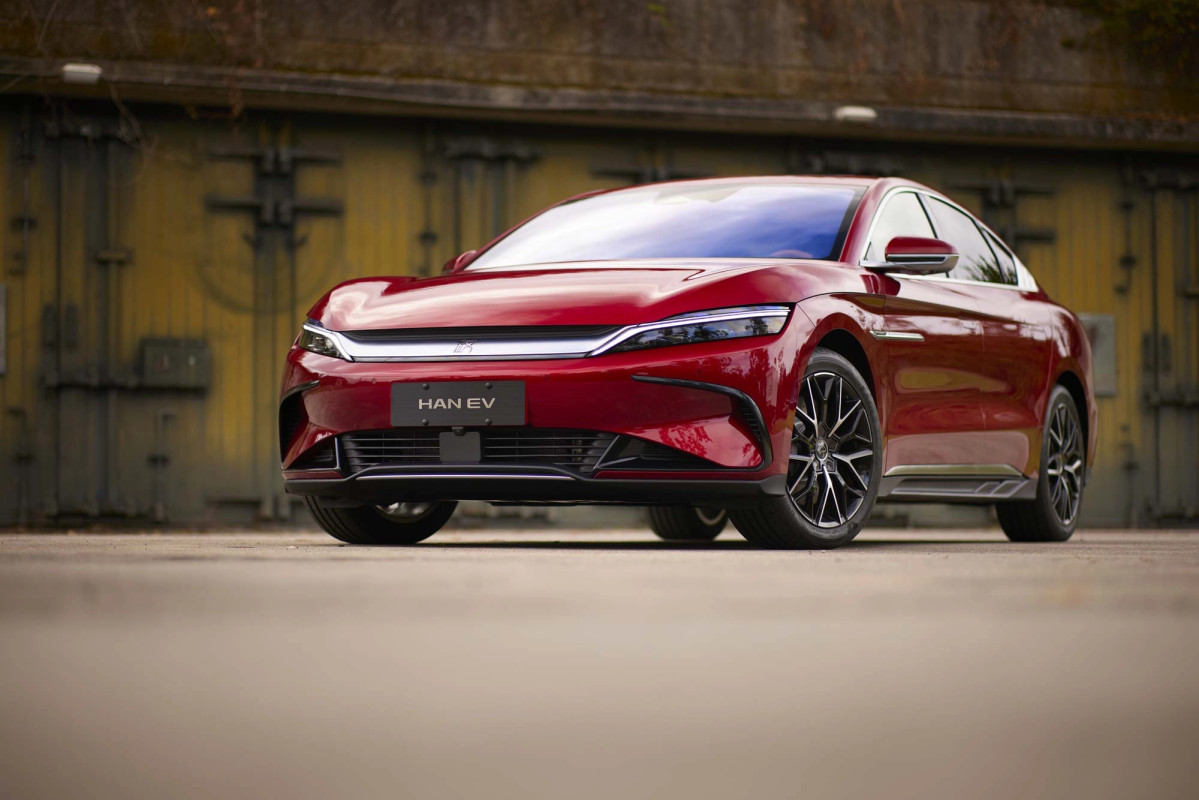
From Underdog to No. 1
Tesla – whose CEO once publicly laughed at BYD vehicles in a 2011 interview – has faced mounting challenges in the U.S. market, while its Chinese rival BYD does not sell passenger EVs there due to tariffs and geopolitical factors. Most EV makers have contended with reduced consumer incentives, including the discontinuation of the $7,500 federal EV tax credit on September 30, 2025. That shift has weakened price competitiveness at a time when internal-combustion vehicles have regained some consumer interest.
Globally, BYD has also expanded aggressively outside China, including in Europe, where it outsold Tesla on a monthly basis last year. Tesla, meanwhile, has responded by introducing more affordable trims intended to stabilize demand. One example is the low-cost Model 3 variant in Europe, which starts €37,970 (roughly $44,000), representing nearly a 17% reduction from the previous entry-level price. However, it remains high compared with BYD’s pricing in the region. The Chinese automaker’s most affordable European offering, the Dolphin Surf, starts at around €22,990 ($26,100).
Tesla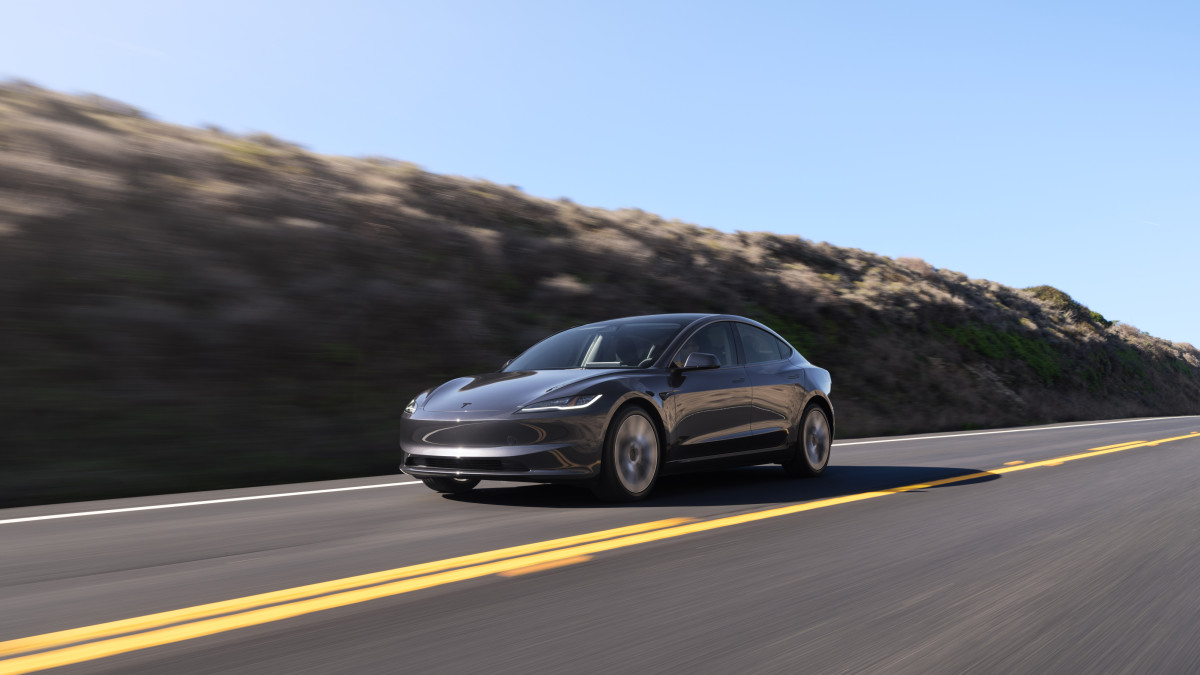
BYD’s Extra Gear
Beyond BEVs, BYD’s volume advantage is further reinforced by its plug-in hybrid vehicle (PHEV) sales. The EV maker delivered about 2,288,709 PHEVs in 2025 through its DM-i lineup – a segment in which Tesla does not compete. Combined, those figures bring the company’s total 2025 vehicle sales to approximately 4.5 million units.
Tesla, by contrast, is focusing its future efforts elsewhere. One of its most ambitious projects is the Cybercab, a two-seat robotaxi designed to operate without a steering wheel or pedals. Production is currently expected to begin in April 2026, with the company aiming to keep costs as low as possible. While the Cybercab could help the brand regain momentum in the EV space, the project remains in development and will still require regulatory approval for unsupervised autonomous operation.