China Just Defined What “Solid-State” Batteries Are—Before Anyone Else Could
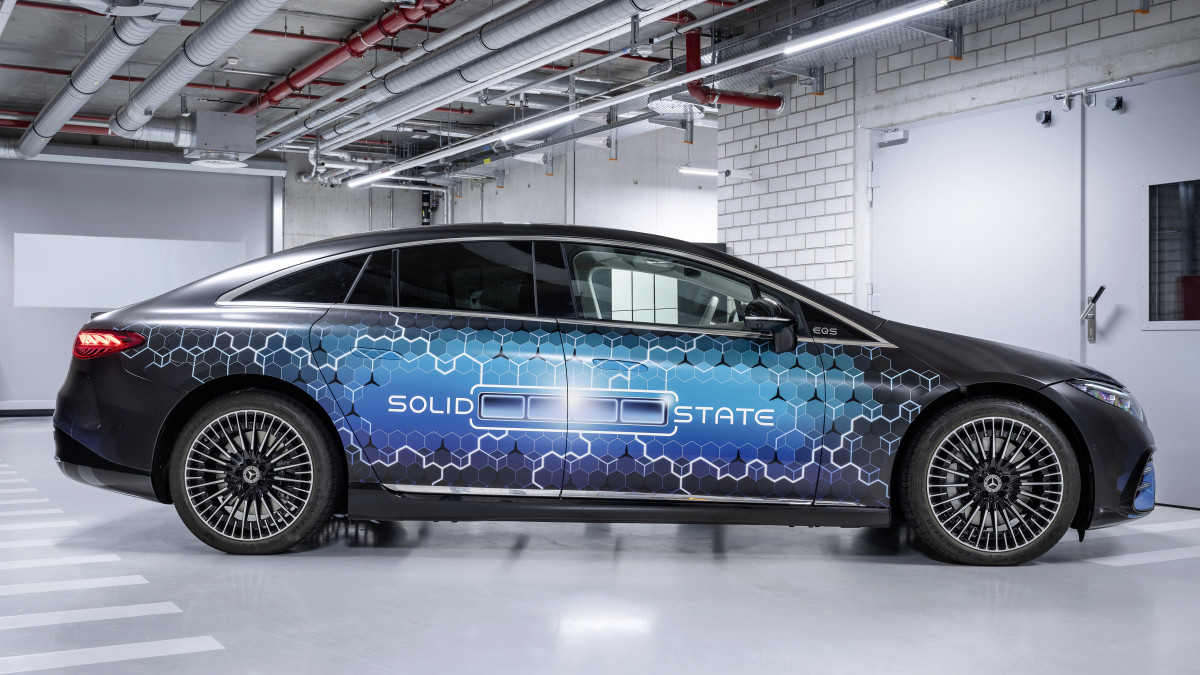
Tesla, Chevrolet, Ford, and Hyundai dominate the EV conversation in the US, yet they all rely on lithium-ion battery technology that’s more than three decades old. The industry knows its limits, which is why the race to crack solid-state batteries has become so intense, with Toyota aiming to launch the world’s first solid-state EVs by 2027. China, however, is moving on a different timeline and with a different strategy. The real story is not simply about building a better battery, but about who gets to set the rules. By introducing the world’s first national standard for solid-state EV batteries, China is positioning itself to define how this next-generation technology is classified, validated, and ultimately commercialized.
Redefining the Groundwork for Solid-State Batteries
Toyota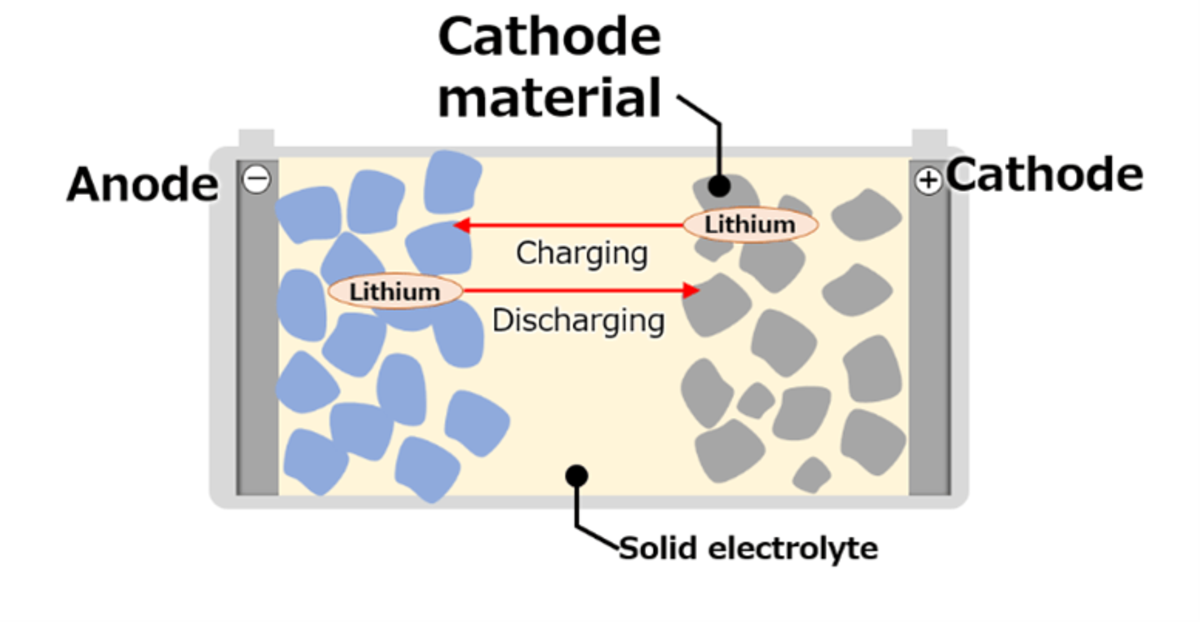
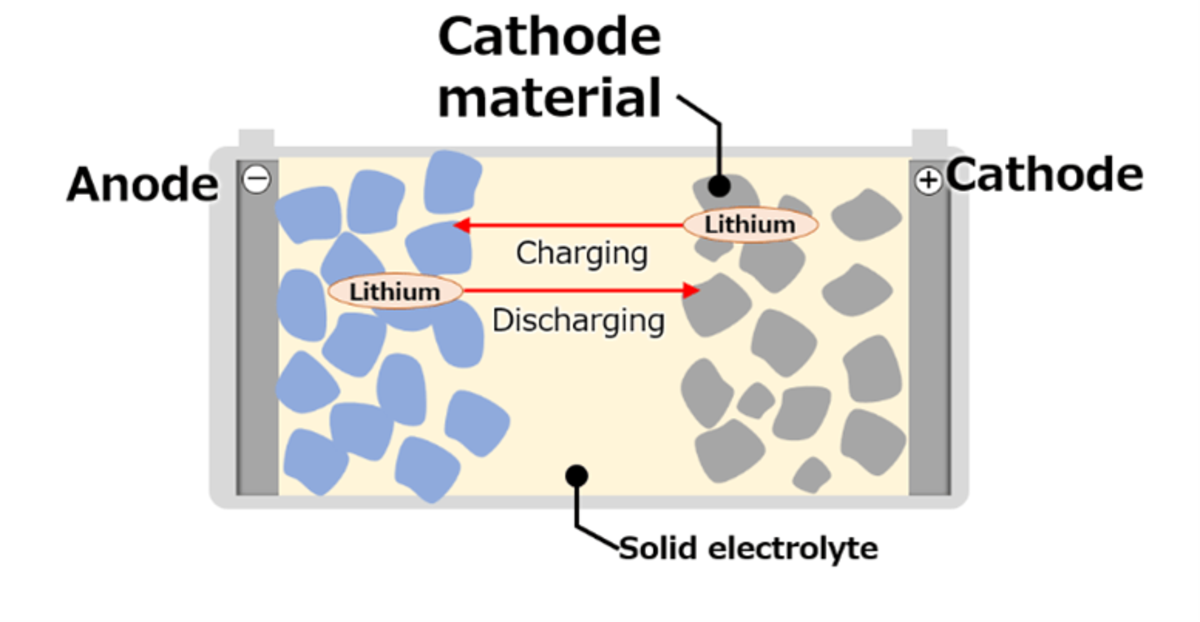
At the center of this shift is a draft national standard titled Solid-State Battery for Electric Vehicle – Part 1: Terms and Classification, released by China’s National Automotive Standardization Technical Committee and opened for public comment. The document establishes clear definitions for battery types based on how ions move inside the cell, separating them into liquid, hybrid solid-liquid, and fully solid-state designs. In the process, it removes the loosely used “semi-solid-state” label that has muddied the waters. The standard also raises the technical bar. To qualify as solid-state, a battery must not exceed a 0.5 percent weight loss rate under vacuum drying conditions, a stricter threshold than earlier industry guidelines. The intent is clear: distinguish genuinely solid designs from transitional chemistries that still rely on liquid electrolytes. This matters as solid-state claims expand beyond commuter cars, considering Rimac is developing a solid-state battery for a future Bugatti.
Why The Rules Matter More Than The Products
BYD
Solid-state batteries are often framed as the solution to EV concerns that led to a significant decrease in EV sentiment in 2025. While the technology promises improvements in energy density, safety, and longevity, commercialization has lagged partly due to the absence of shared definitions and standards. China’s approach addresses that gap directly. According to STCN, this document is only the first of four planned standards, with performance, safety, and lifespan requirements already in development alongside a dedicated specification for solid electrolytes. Together, they are designed to move solid-state batteries from laboratory projects to scalable industrial products with fewer gray areas across the supply chain.
What This Means for the Global EV Race
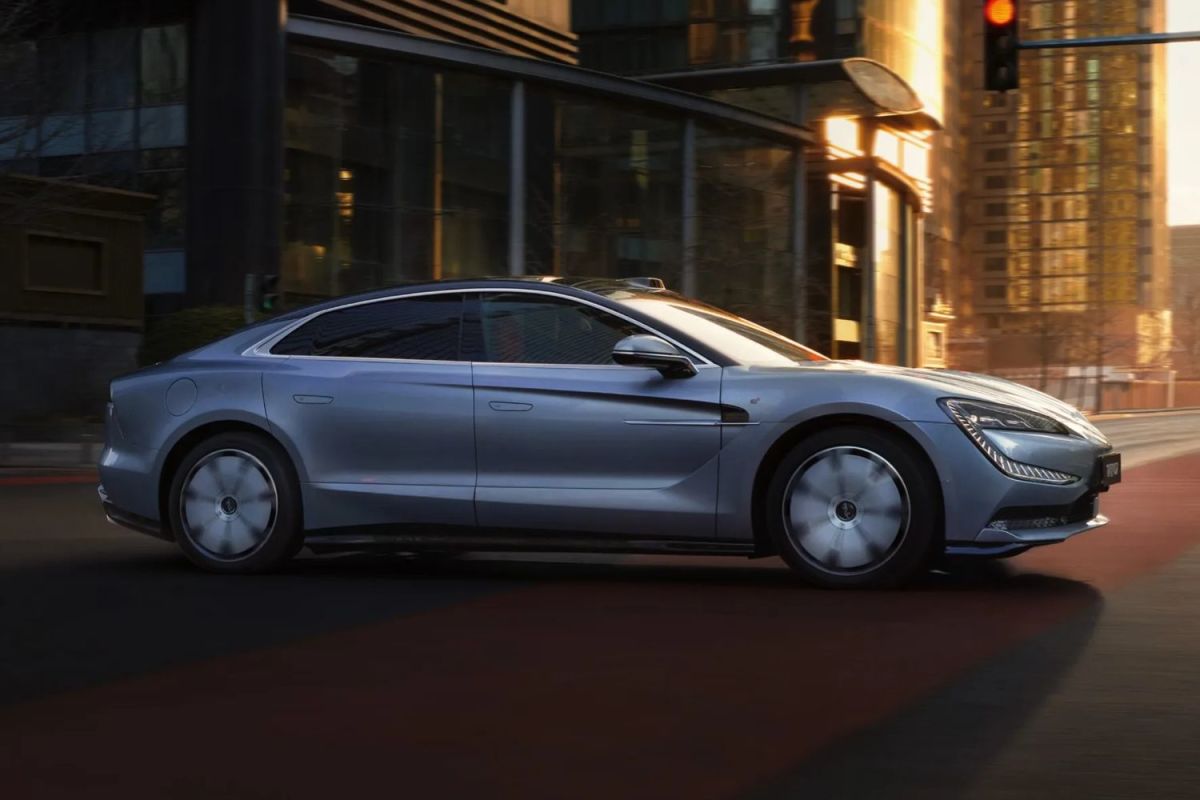
China’s timing is no accident. The country is on track to become the world’s largest car seller, while BYD has already overtaken Tesla as the top global EV brand. Battery leaders like CATL and BYD, which together supply more than half of the world’s EV batteries, are targeting limited solid-state production around 2027, with broader deployment expected later in the decade. For the rest of the world, this means that solid-state batteries are about to flood showrooms. As automakers worldwide race toward next-generation batteries, China will define what “solid-state” actually means to shape the market long before the first mass-produced cells arrive.