Delhi Government Considers Incentives To Convert Old ICE Vehicles Into EVs

Delhi plans incentives to promote EV retrofitting & boost EV adoption
The Delhi government is evaluating a proposal to offer financial incentives for converting older petrol and diesel vehicles into electric vehicles (EVs), as part of its upcoming EV Policy 2.0. The move is aimed at reducing vehicular pollution while promoting wider adoption of electric mobility in the national capital.
According to officials familiar with the matter, the Transport department has proposed an incentive of Rs. 50,000 for the first 1000 vehicles that undergo electric retrofitting. The proposal is currently under review and would require approval from the Delhi Cabinet before it can be rolled out.
Retrofitting involves replacing a vehicle’s internal combustion engine with an electric motor and battery system. While the concept has existed for some time, adoption has remained limited due to the high cost of retrofit kits, which varies depending on the vehicle and technical configuration. The proposed incentive is intended to offset part of this cost and encourage owners to extend the usable life of their vehicles rather than scrapping them or selling them at depreciated values.
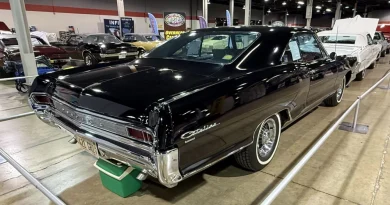
Officials believe the scheme could be particularly relevant for owners of premium and luxury vehicles, where resale or scrap values are often significantly lower than the original purchase price. In such cases, converting an existing vehicle into an EV could emerge as a financially and environmentally viable alternative.
At present, petrol vehicles older than 15 years and diesel vehicles older than 10 years are prohibited from operating in Delhi, following directives issued by the National Green Tribunal and the Supreme Court of India. Owners of such vehicles are required to scrap them at authorised facilities or sell them outside Delhi after obtaining the necessary clearances from the Transport department.
Beyond retrofitting incentives, the draft EV Policy 2.0 outlines a broader push to strengthen the city’s electric mobility ecosystem. Proposals include incentives for consumers who scrap end-of-life vehicles and purchase new electric vehicles, as well as a substantial increase in funding for research and development. The proposed R&D corpus is expected to rise from Rs 5 crore to Rs 100 crore, with a focus on battery technology and charging infrastructure.
The policy also places emphasis on accelerating EV adoption in the two-wheeler segment, which accounts for a large share of Delhi’s annual vehicle registrations. While the city sees around six lakh two-wheeler registrations each year, electric models currently make up a relatively small portion. The government aims to significantly increase the number of electric two-wheelers over the coming years to improve overall EV penetration.
Additional measures under consideration include higher incentives for battery swapping stations and the introduction of a safety rating framework for electric rickshaws and e-carts. These vehicles are already fully electric but continue to rely heavily on lead-acid battery systems.
Experts note that the success of any retrofitting programme will depend on practical factors such as vehicle usage patterns, availability of certified kits and compatibility across different models. The feasibility of conversions is also influenced by whether retrofit solutions integrate with existing transmissions or require more extensive mechanical changes.
The post Delhi Government Considers Incentives To Convert Old ICE Vehicles Into EVs appeared first on MotorBeam.