
Fender-Benders Are Getting Expensive: The ADAS Calibration Boom
The cost of convenience
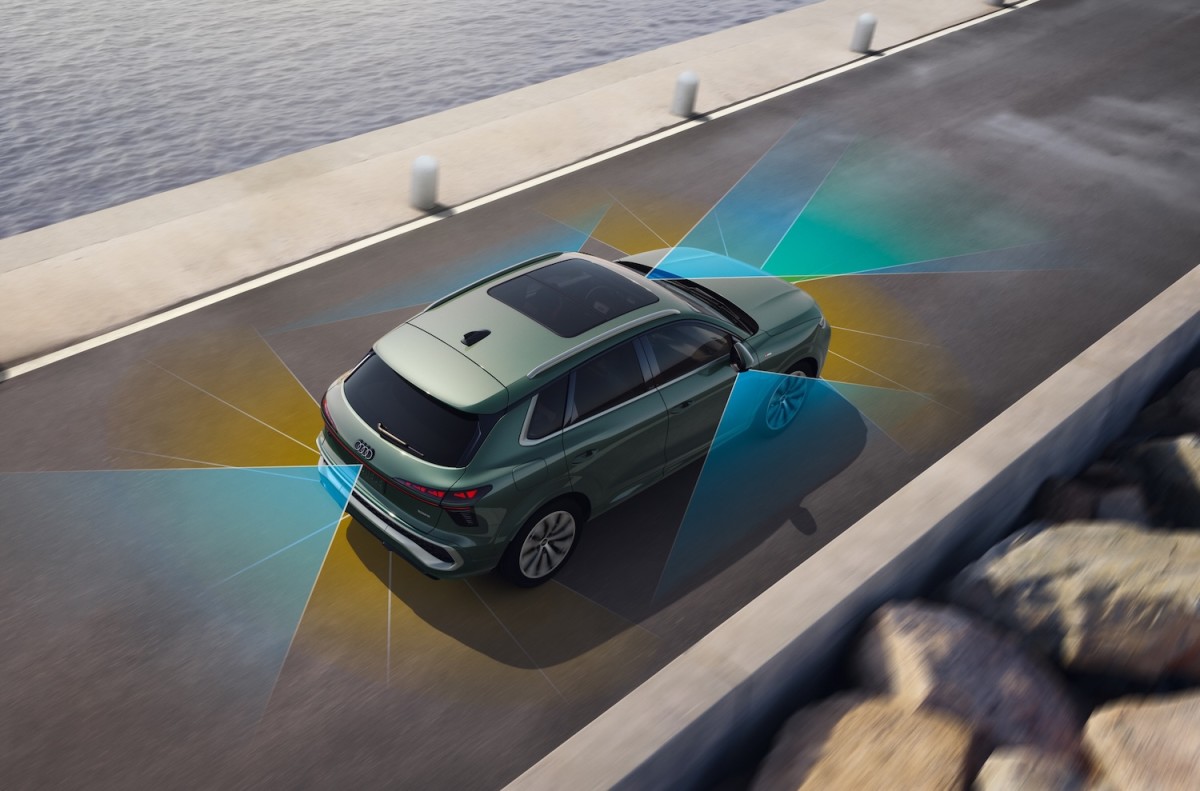
ADAS, or Advanced Driver Assistance System, is a feature many car buyers look for when purchasing a vehicle. The system helps keep a vehicle in its lane, and can even steer the car automatically for a short period if needed. Some ADAS systems switch lanes for you, and can even drive your vehicle for long spells if you’d prefer not to have your hands on the wheel. It can even avoid crashes, engage emergency braking, and let you know when someone is in your blind spot. For many, ADAS is a must-have.
In addition to the cost associated with ADAS systems when purchasing a vehicle, new data shows they can be costly to fix if you find yourself in even the slightest fender-bender accident. Moreover, by 2028, the expansion of ADAS systems is expected to increase by roughly 100%, making recalibrating them nearly unavoidable.
Audi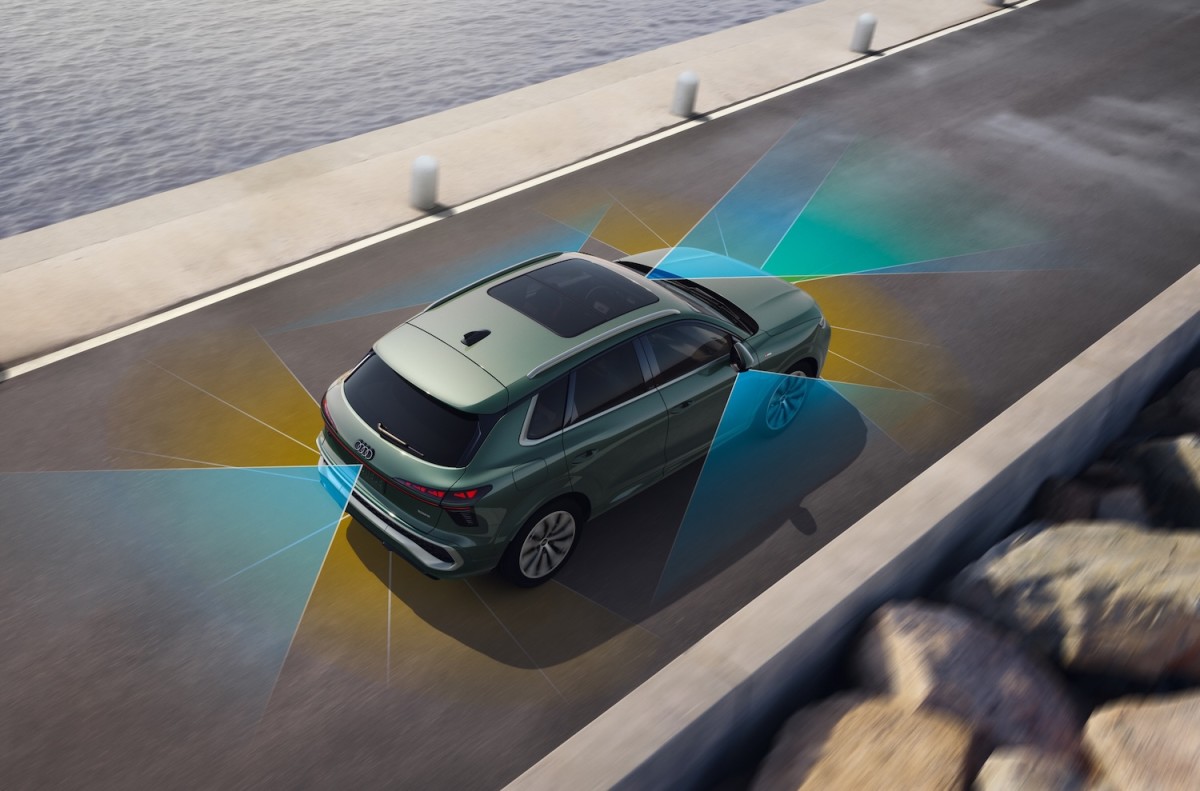
ADAS is a boom, not a bubble
The HLDI (Highway Loss Data Institute) projects that vehicles equipped with ADAS features will essentially double by 2028. Thanks to the rise in ADAS systems on vehicles, repair and recalibration will also become more critical. Currently, about 23% of vehicles involved in collisions require recalibration, replacement, or repairs of the ADAS system and components.
Some ADAS features, like rearview cameras, must be included with a vehicle by federal law since 2018. Today, rearview cameras are on roughly 55% of vehicles on the road; by 2028, about 75% of vehicles will have this feature. Other non-mandated ADAS features, such as rear parking sensors, adaptive high beams, lane departure warning, adaptive cruise control with lane centering, and front crash prevention, are in demand and expected to see rapid implementation.
“Front automatic emergency braking with pedestrian detection,” for example, is currently on about 22% of vehicles. By 2028, IIHS predicts it will be on nearly 50% of cars. Adaptive cruise control with lane centering had a single-digit percentage in 2023; by 2028, it is expected to be on nearly one-fourth of vehicles.
Costly repairs are here to stay, too
Logically, the more prevalent something is, the lower its cost becomes as parts become mass-produced and find their way to more vehicles. Things like sensors and camera systems are typically not unique to the vehicle you’re driving. That may be true, but the cost to repair and recalibrate is expected to continue rising.
The average fee to recalibrate an ADAS system today is about $500. This includes things like re-focusing cameras and calibrating distance sensors. While the cameras and sensors might be widely available to automakers, the tools needed to repair them and the software systems necessary to recalibrate them are not. Many repair shops lack these tools and platforms and have to instead rely on third-party mobile diagnostic companies to complete work or send the vehicle to a dealership for recalibration and repairs.
This adds an obfuscation layer to complete repairs, extending the time it takes to work on a vehicle and increasing the associated cost. This can also increase the time you spend without your vehicle. All these factors can ultimately lead to a rise in insurance premiums.
Lucid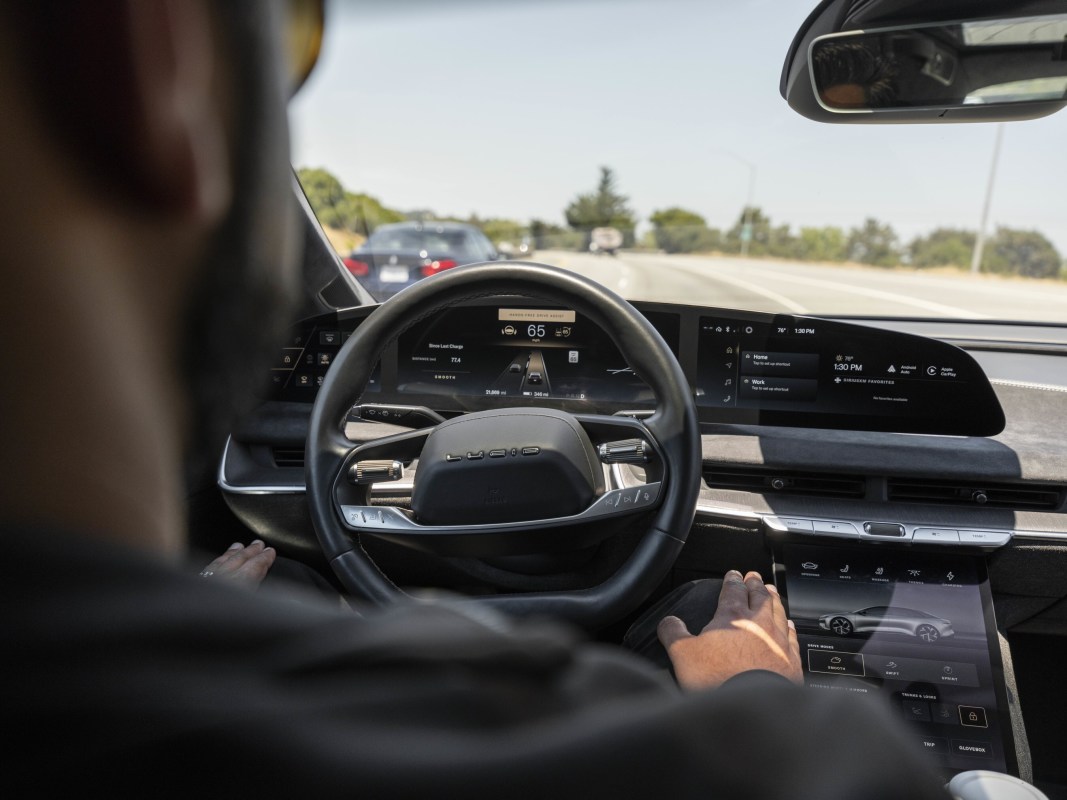
Final thoughts
You can’t “opt out” of having your ADAS system repaired and recalibrated. A simple windshield replacement for many cars with ADAS systems requires recalibrating sensors embedded in the rearview mirror hub, and the cost to replace a windshield has gone up by as much as 50% since 2017, according to Kelley Blue Book estimates.


