New Windshield Tech Clears Ice in One Minute Without Wasting Energy
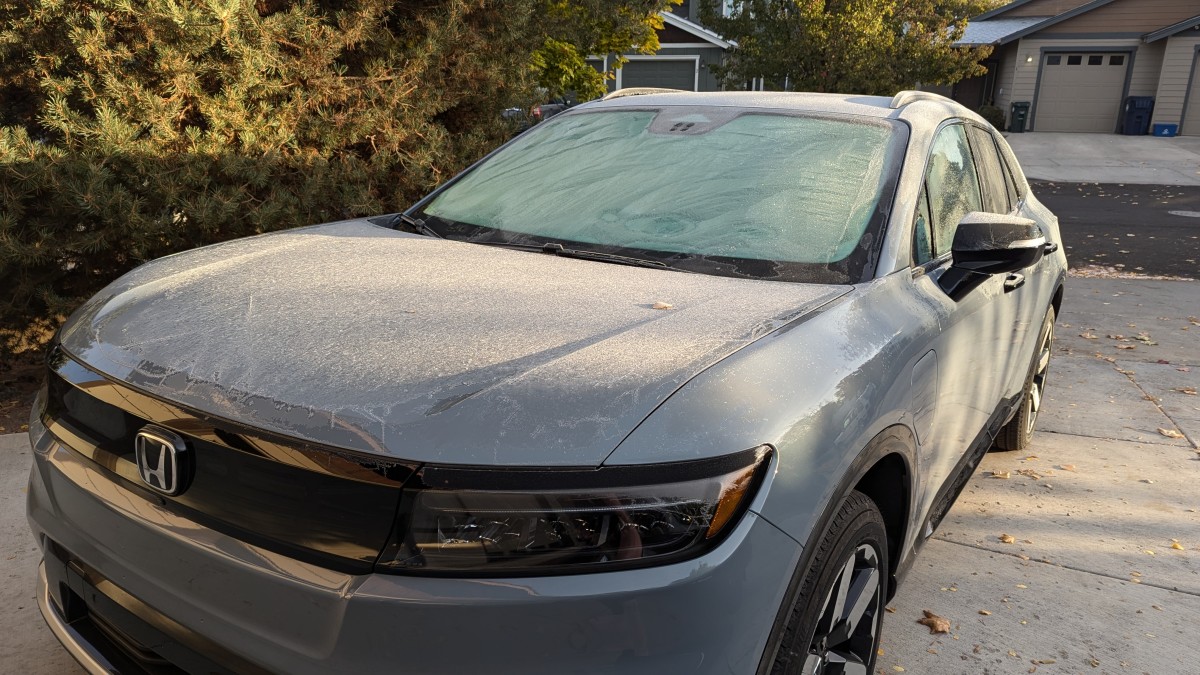
Amongst fire risks, accessible chargers and hefty price tags, here’s another drawback to owning an electric vehicle: when winter hits, and you need to defrost your windshield, you’re also draining precious battery power. But traditional gas-powered cars aren’t exactly perfect either, relying on outdated HVAC systems and long engine warm-up times before you can even see the road ahead. A Canadian startup called Betterfrost Technologies is showing that there’s a smarter way forward. By using targeted electrical pulses to melt ice in just over a minute, the company may have found one of the simplest ways to clear your windshield faster – while also protecting EV range when it matters most. Things like these are why just 7% of US buyers want an EV as their next car.
Smarter Way to Melt Ice
Kristen Brown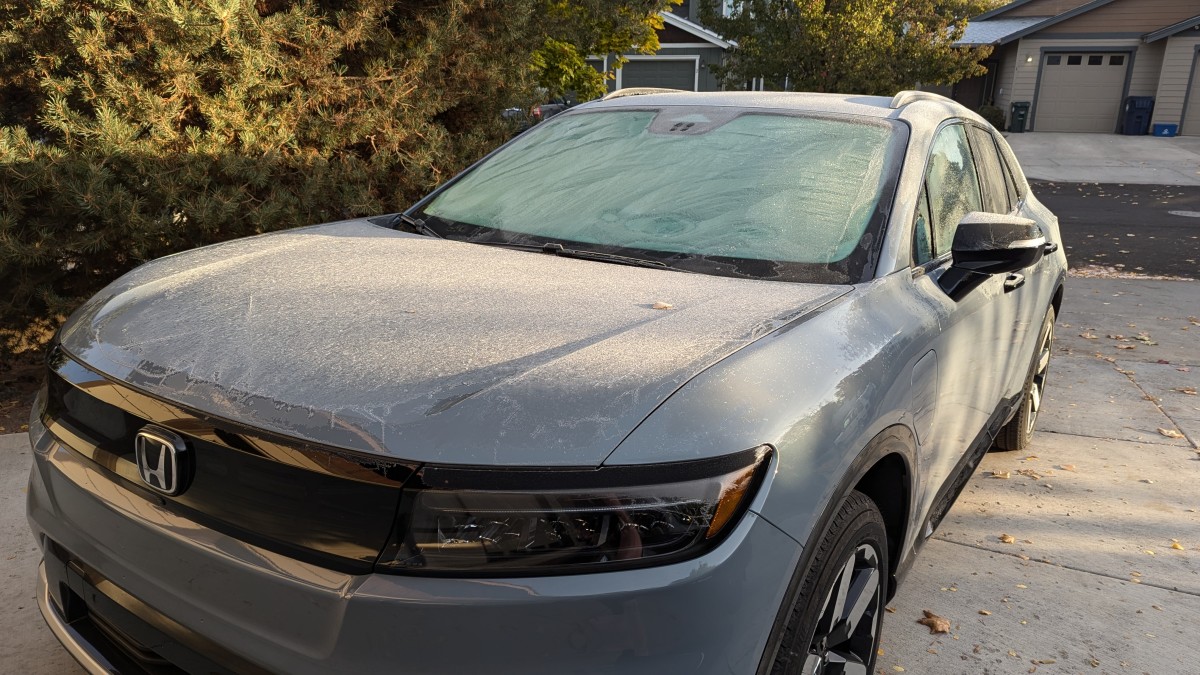
Ontario-based Betterfrost uses concentrated high-voltage electrical pulses that travel through a conductive layer embedded in the windshield. Instead of heating the entire glass or blasting warm air from the dashboard, the system focuses on breaking the bond between ice and glass by melting an ultra-thin layer — thinner than 0.01 mm — beneath it. Once that bond disappears, the rest of the ice slides off effortlessly. Betterfrost has been around since 2015, won the 2024 Best Technology of the Year award presented by the New Enterprise Forum (NEF), and secured a collaboration with Tier 1 supplier Denso.
Why EVs Will Gain The Most
Cold weather is one of the biggest enemies of electric range – air conditioning, heated seats, and defrosting your windshield all eat away at your range. HVAC-based windshield clearing alone can consume the equivalent of up to 40 km of driving range. Betterfrost claims its system uses up to 20 times less energy than conventional HVAC defrosting.
In a real-world demo using a Lexus RX, the difference was night and day: the standard system took more than 16 minutes to clear the windshield, while Betterfrost’s solution did the job in just over a minute. The company says this approach is up to 40% more efficient than heated glass, potentially adding as much as 38 km (23.6 miles) of extra range per day in winter and saving automakers around $600 per vehicle in battery costs. EVs still cost $11,000 more than the comparable ICE cars, so every penny saved matters. And recent surveys suggest that 61% of consumers would still choose a gas-powered vehicle for their next purchase, and most of them don’t even account for defrosting-induced range anxiety.
Is This The Future?
Mercedes-Benz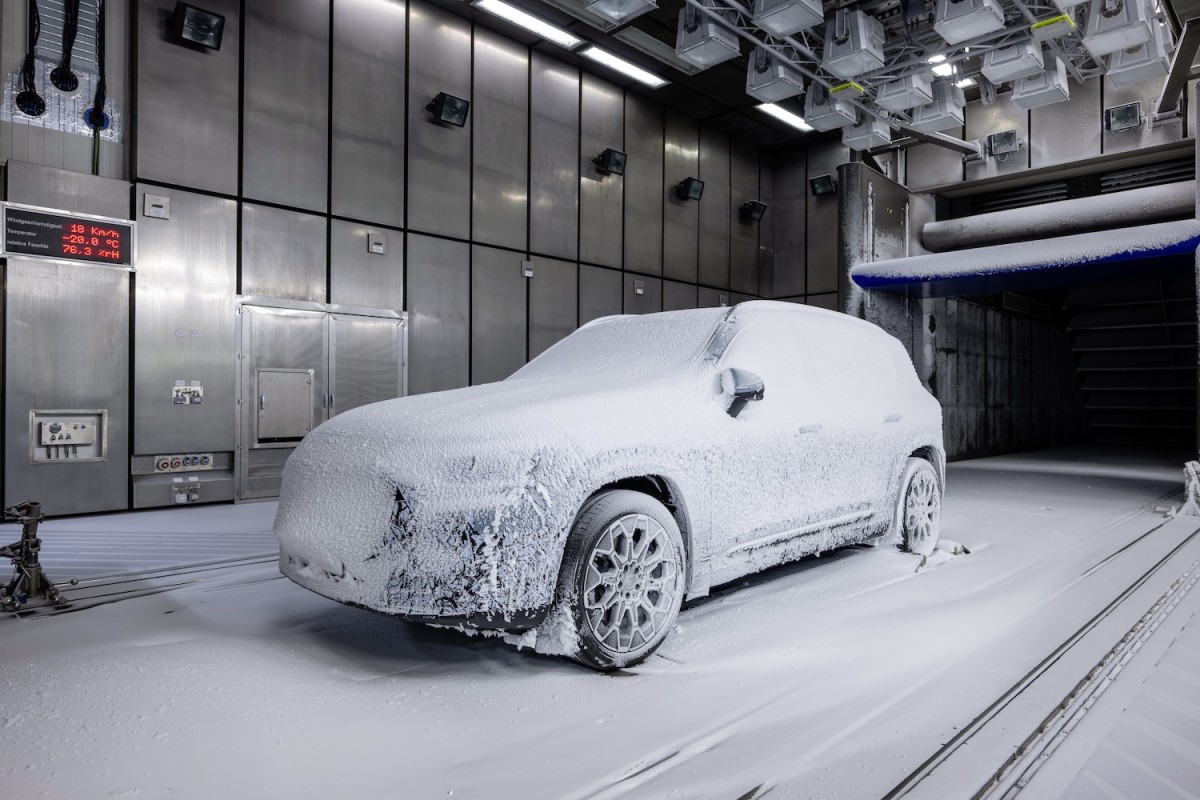
While Betterfrost’s messaging has focused heavily on electric vehicles, the appeal is far broader. Gasoline cars could benefit just as much, especially in colder regions where drivers still wait for engines to warm up before the windshield clears. Even automakers themselves like Mercedes-Benz have tried cutting down on how long you have to wait for your car to heat up, yet no one can do it as efficiently as Betterfrost.
Better yet, this technology also extends beyond passenger cars. Betterfrost has tested its system in aviation, claiming it can remove up to 3 inches of ice from airplane wings in just two minutes at sub-zero temperatures. Whether it’s helping EVs preserve range, making gas cars more convenient in winter, or improving safety across multiple transport sectors, this tiny layer of melted ice could end up making a surprisingly big impact on the broader transportation industry.