Honda Is Making More Gas Cars Because Buyers Can’t Afford Hybrids
The average price of a new car in America has been a hot topic for months now, especially after this figure breached the psychological $50,000 mark for the first time in September. The mass exodus of affordable models like the Nissan Versa, Mitsubishi Mirage, and Chevrolet Spark haven’t helped things, either. Automakers are not oblivious to the need for more affordable vehicles, and Honda has just announced that it would increase production of cheaper, non-hybrid models in the United States—despite the rising popularity of its electrified models.
Related: Average New Car Price Crosses $50K Barrier as Americans Struggle to Keep Up
Hybrids Still Too Expensive
Honda
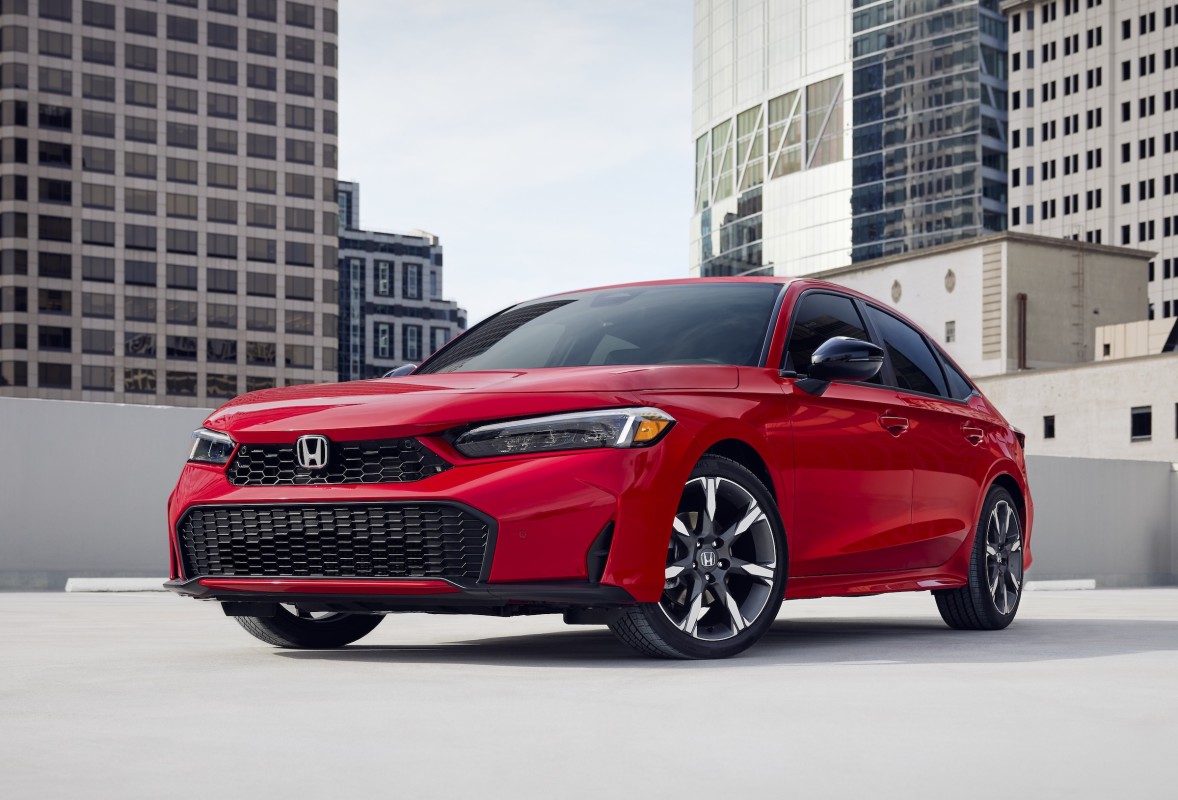
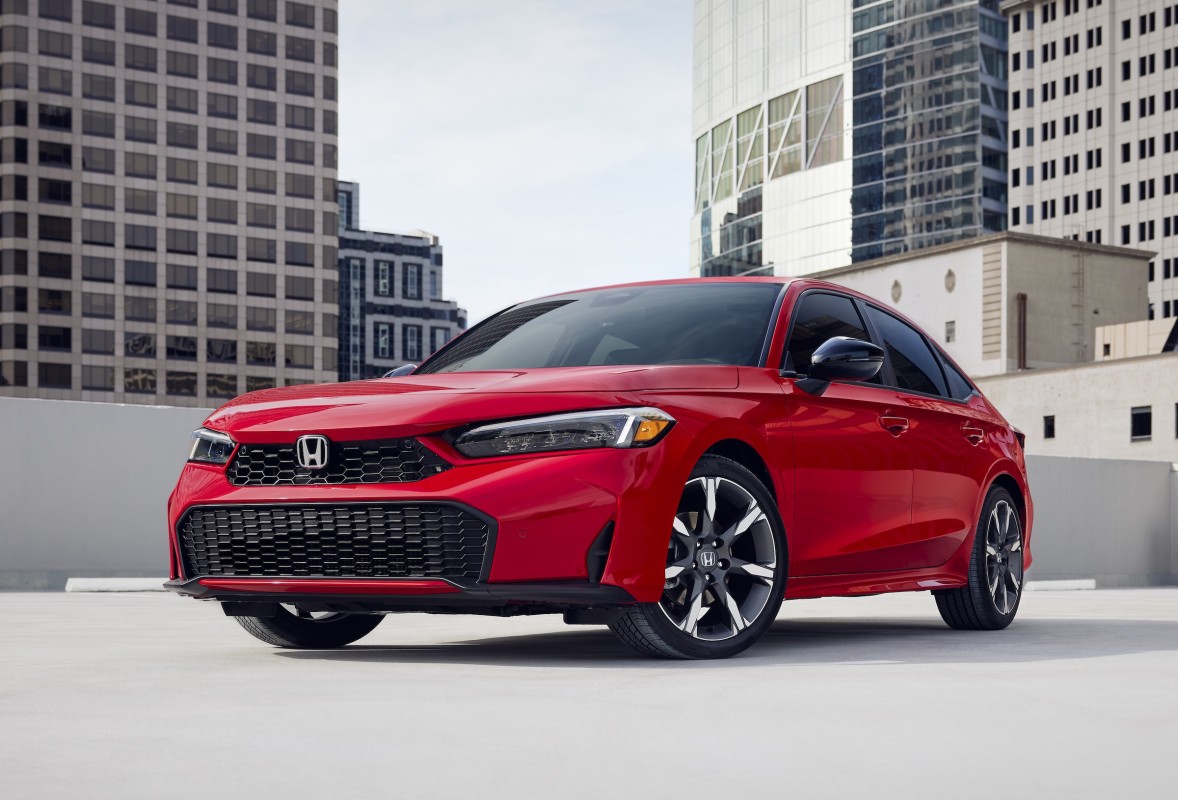
While hybrids promise lower gas bills, it often takes thousands of miles and even years of driving to make up for their higher prices. Take the Honda Civic Sedan, for instance, which starts at $24,695—that’s $4,700 less than the cheapest Civic Sedan Hybrid. There are many other examples of the hybrid price premium throughout Honda’s lineup. The Accord Hybrid is $5,400 more than the normal Accord, while the CR-V Hybrid costs $4,710 more than the non-hybrid CR-V.
This affordability crisis, along with lower gas prices and the Trump administration’s more relaxed rules on fuel economy standards, contributed to Honda’s decision to increase production of non-hybrid models this year. Lance Woelfer, the head of U.S. sales operations for the automaker, communicated Honda’s plan at a media briefing, according to CBT News.
Last year, Honda achieved record hybrid sales. 54% of all CR-Vs sold were hybrids, along with over 50% of all Accords and 36% of Civics.
Related: Here’s How Automakers are Raising New-Car Prices Without Changing the MSRP
Non-Hybrid Base Trims In Demand
Honda
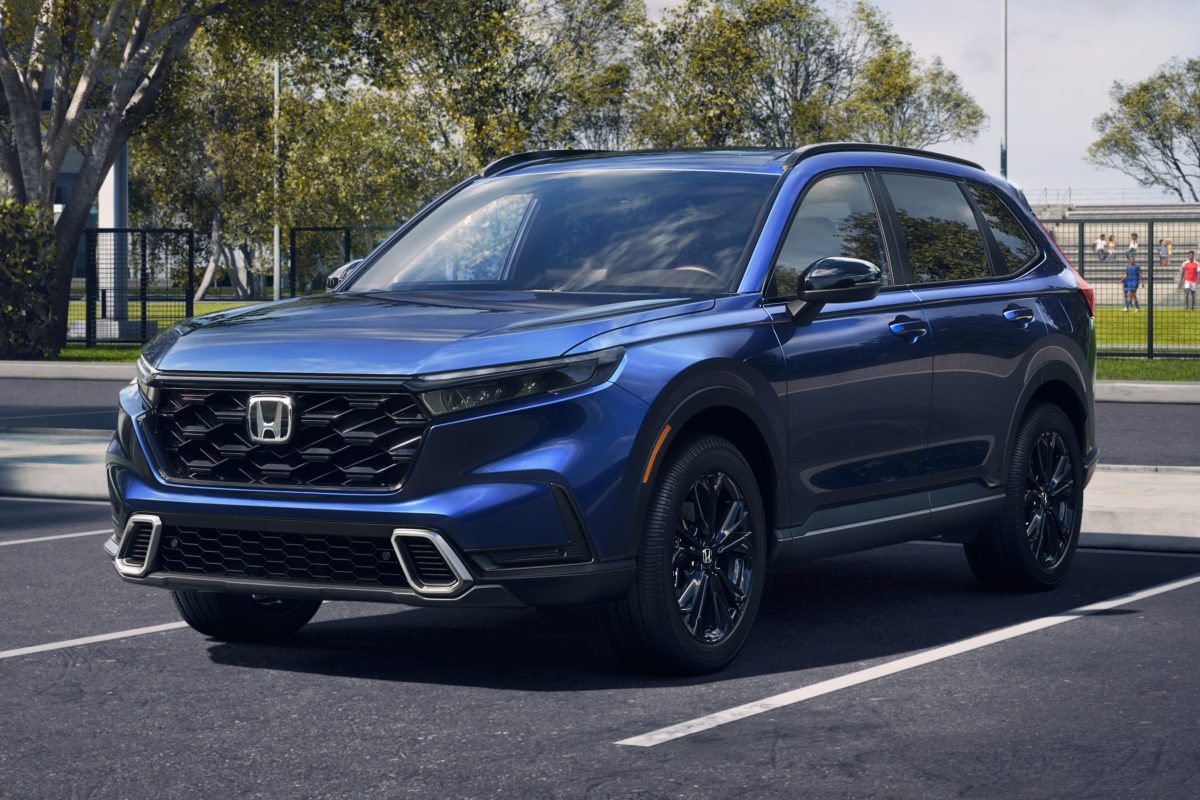
Non-hybrid models typically have fewer amenities than their hybrid siblings. This, along with the simpler powertrains, helps to keep the MSRP significantly lower. Therefore, we expect Honda to boost production of models like the CR-V LX and Civic LX.
The demand for cheaper, base trims isn’t unique to Honda. Starting late last year, Ford said it was seeing a sharp increase in sales for base SUVs and pickup trucks. Last year, the cheapest Ford Ranger XL saw a massive 82.3% increase in sales, while sales of the base Maverick pickup truck increased by nearly 30%.
“We’re growing share and beating the trend because we offer a great range of products, from accessible entry-level models to high-performance off-roaders,” said Andrew Frick, president, Ford Blue and Model e, earlier this year.
Related: New Edmunds Data Exposes Bitter Reality of New Car Affordability
Toyota Taking A Different Approach
T
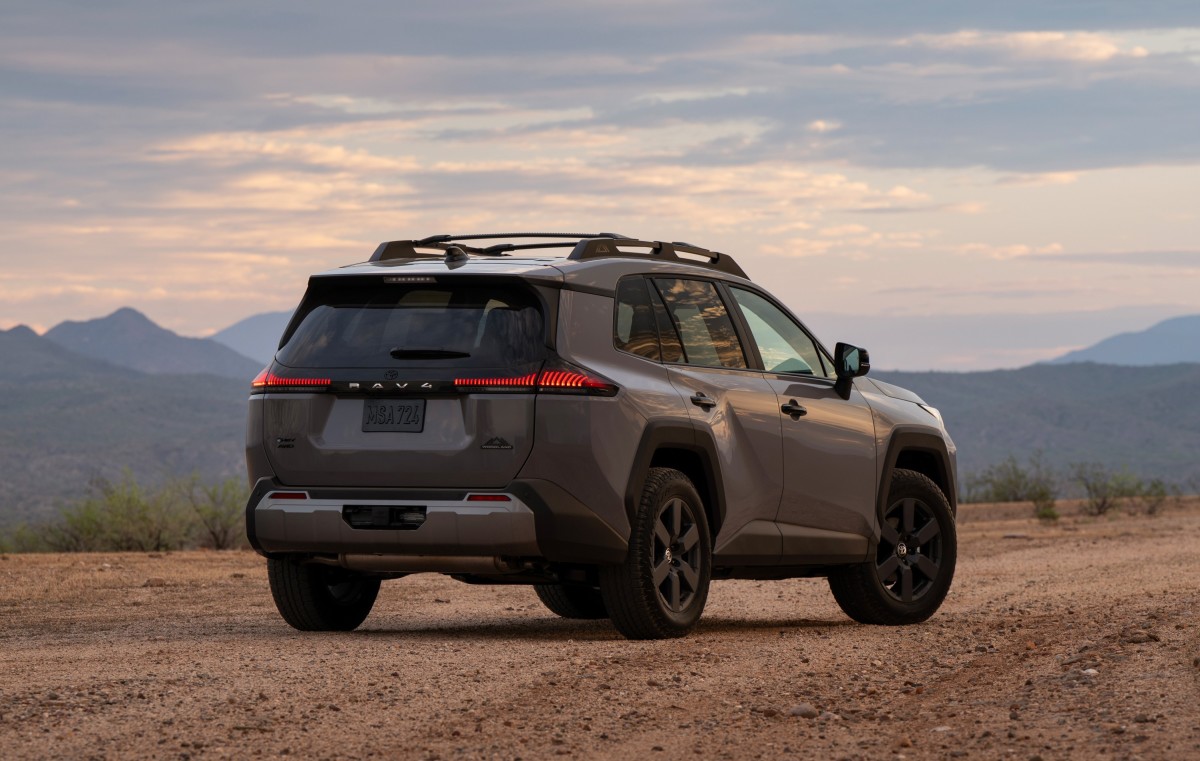
While Honda and Ford are seeing strong demand for non-hybrid base models, Toyota’s current approach is to democratize hybrids. Yes, Toyota still has cheaper non-hybrids like the Corolla and Corolla Cross, but the latest Camry and RAV4 have switched over to hybrid-only powertrains exclusively.
These Toyota hybrids are still available with frill-free base trims without the fanciest technologies and materials. However, they match the performance and efficiency advantage of pricier hybrid trims.
New-car prices are still high but are expected to stabilize in the months ahead. If other manufacturers give more attention to base models, consumers won’t be forced to downsize or buy something that stretches their budget too far.