Car Prices Hit $50,000. Now the U.S. Wants to Ease Emissions Rules
The Solution to Rising Car Prices
A report from Reuters says the Trump administration’s top auto policy officials are seeking to lower vehicle prices by scaling back emissions regulations. This aligns with the fact that average new car prices surpassed $50,000 in December 2025.
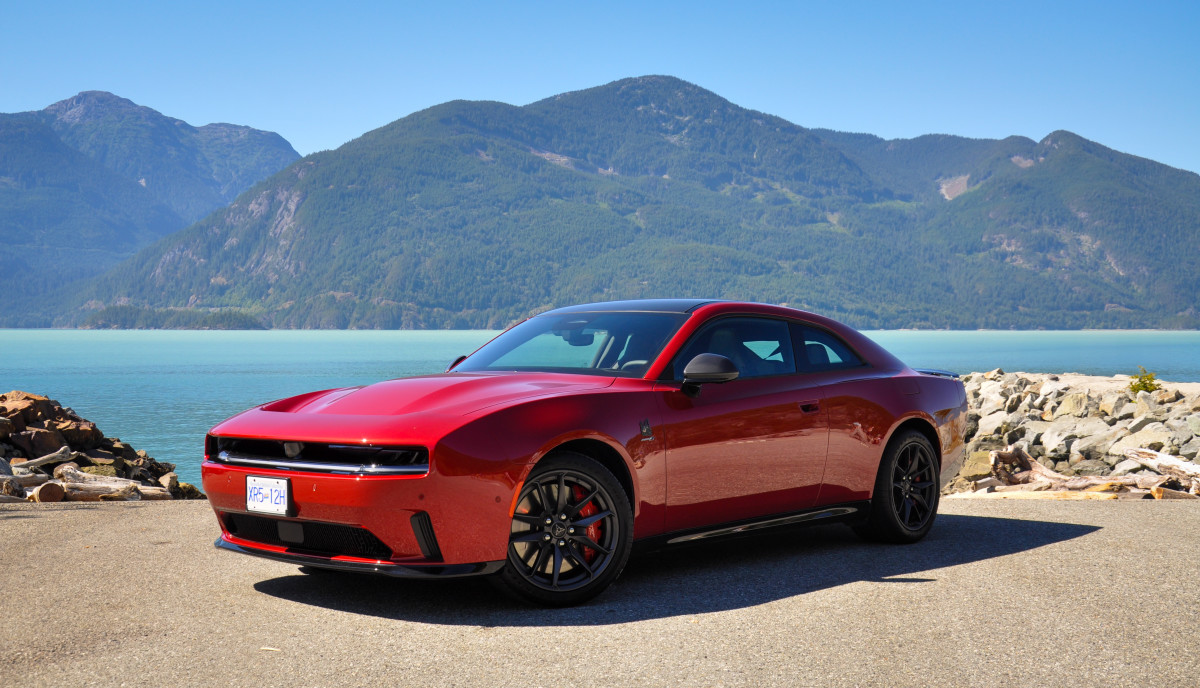
Despite what some view as opposition to electrified vehicles, Transportation Secretary Sean Duffy said the market should not depend on “government policy to encourage EV purchases while penalizing combustion engines.” That regulatory tilt was evident in recent automaker product strategies, with Dodge – a brand long associated with muscle cars – going so far as to discontinue the gas-powered Charger as the nameplate transitioned to a new generation initially led by an all-electric version.
Cole Attisha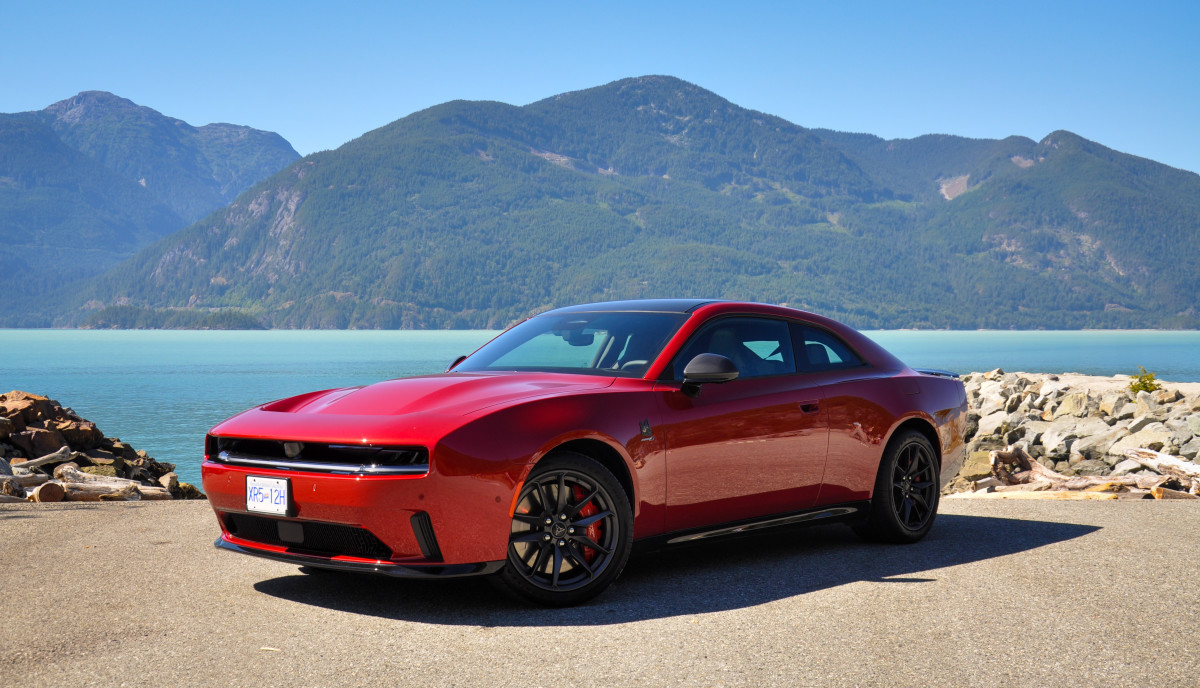
The Policy Winds Change Direction
At the same time, combustion-powered vehicles appear to be regaining momentum, highlighted by the return of models such as the 777-horsepower Ram 1500 TRX. The shift follows policy changes under the current administration, including the elimination of the $7,500 federal EV tax credit and the removal of penalties tied to fuel-efficiency requirements. Even California – long viewed as a leader in EV adoption – saw its plan to phase out new gasoline-powered vehicle sales by 2035 rescinded.
Environmental Protection Agency (EPA) head Lee Zeldin reiterated that view, arguing the government “should not be forcing, requiring, mandating that the market go in a direction other than what the American consumer is demanding.”
So how can easing emissions regulations affect car prices? One factor is that automakers must invest in additional hardware to meet emissions rules and avoid penalties. This often includes electrified components such as electric motors that form part of hybrid systems. While these technologies improve fuel efficiency and performance – by operating in parallel or in series with an engine, as seen in Nissan’s e-Power system – they also add complexity and cost to vehicles.
Nissan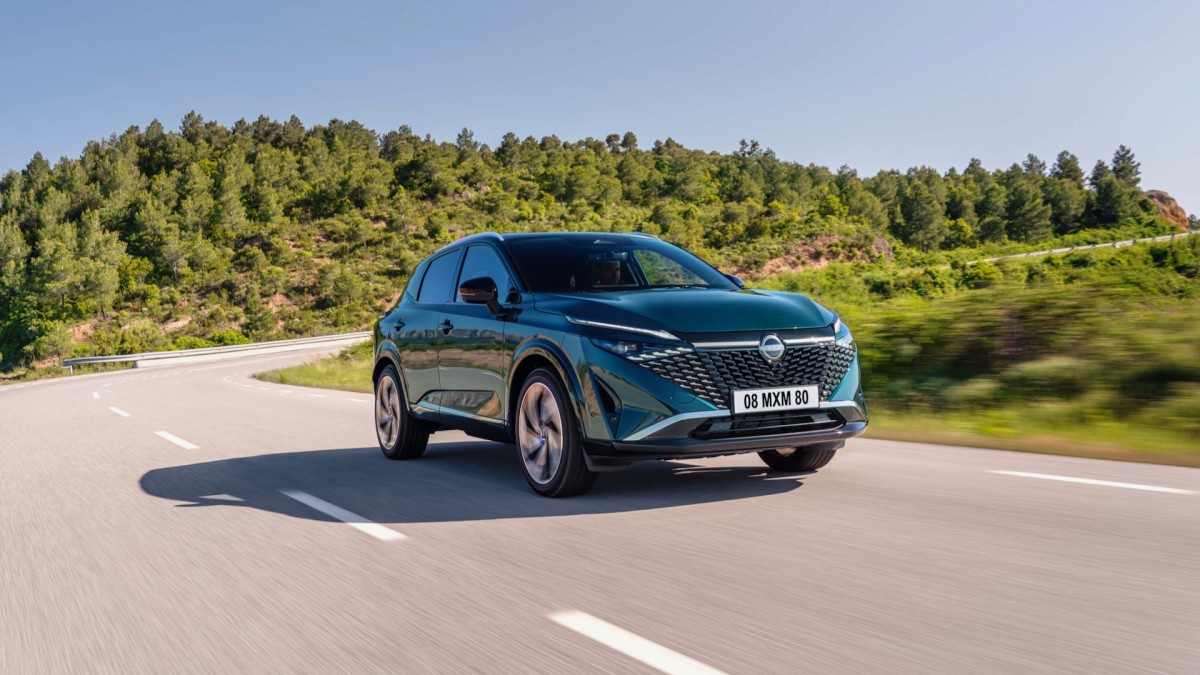
The Market’s Verdict So Far
The shift in EV policy may have weighed on brands such as Tesla, but overall U.S. new-vehicle sales still reportedly rose 2.4% in 2025 to 16.2 million units. U.S. Trade Representative Jamieson Greer added that the removal of EV incentives and the introduction of new tariffs are “not really getting down to the consumer,” suggesting that lower vehicle prices could still materialize.
The report also noted that the EPA is expected to finalize a rule in the coming weeks that would remove federal tailpipe emissions mandates.