Ford and Carhartt Are Teaming Up to Boost the Skilled Trades
Ford and Carhartt want to promote real “Carhartt-type” work
If there is one brand that is synonymous with both white- and blue-collar workers, as well as construction sites and the world’s fashion magazines, it is none other than the American heritage brand Carhartt. Born in Dearborn, Michigan, in 1889, the workwear brand has been known the world over not just for being a go-to brand for style influencers and fashionistas, but more so as a tried-and-true brand that has produced tough, long-lasting quality clothing essentials for multiple generations.
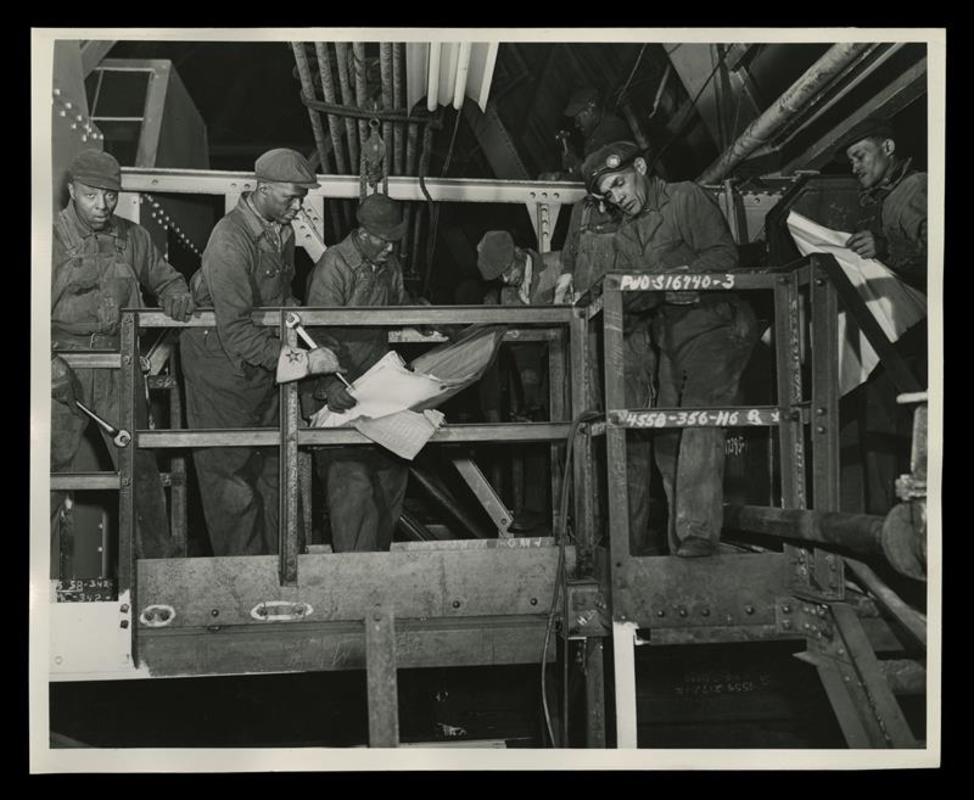
Although you may be able to find people of all stripes wearing Carhartt everywhere from a rising skyscraper, oil rigs, and mechanics’ shops, to your local third-wave coffee shop, it has been linked to another Dearborn-based company for nearly 100 years: Ford. According to Ford, Carhartt has produced clothes for Ford’s factory workers since the 1920s, with workwear programs between the two companies dating back to the 1970s.
Ford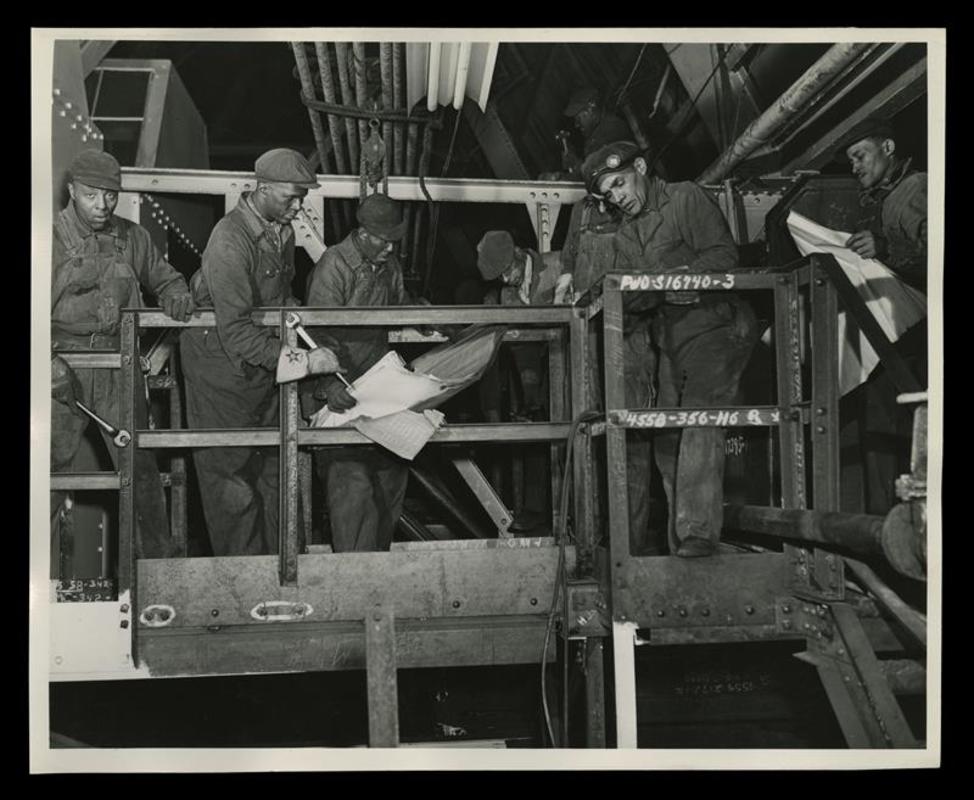
However, the two companies are now getting together to serve the next generation of skilled labor. In an announcement at the Detroit Auto Show on January 13, Ford CEO Jim Farley and Carhartt CEO Linda Hubbard announced that they will be linking up on a multi-year strategic partnership designed to support what they call the “Essential Economy.” The two companies aim to “create long-term impact” by focusing on specific initiatives to support the trades, including workforce development, community building, and the development of new products.
“Hamilton Carhartt founded our company on a simple principle: listen to hardworking people and build products that help them do their jobs safely and effectively,” Hubbard said. “For 136 years, we’ve stood with the skilled trades by making durable gear they can rely on. That commitment has since grown to include support for programs that provide people with the skills and training needed for meaningful careers in the trades. We’re excited that our partnership with Ford will help us advance this important work.”
Ford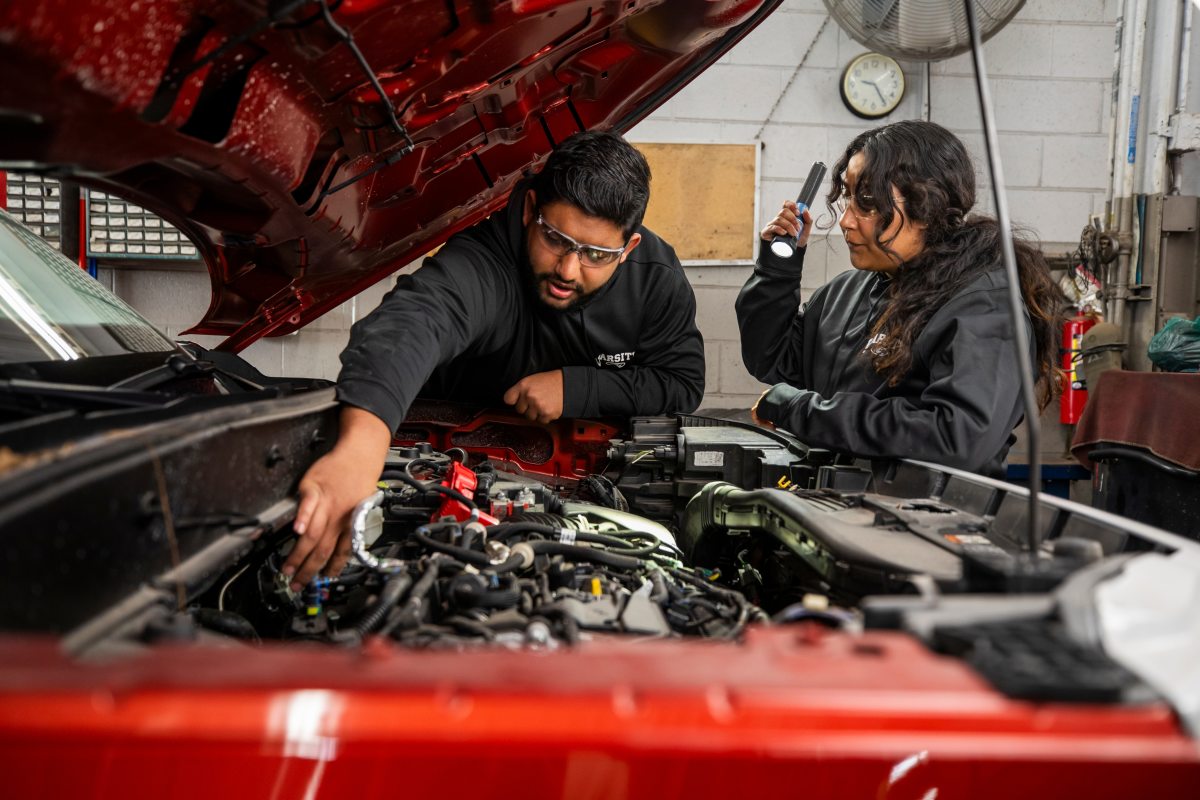
Ford aims to equip the auto technicians of tomorrow with tools, training, and fresh, new clothes
Part of that commitment is direct support, and, according to Ford, it aims to partner with high schools and community colleges to provide fast-track training programs and ensure a strong pipeline from education to the workforce. This also includes a partnership between Ford Philanthropy and Ford dealers with the TechForce Foundation to support Ford Auto Tech Scholars, its scholarships for potential automotive technicians in the U.S.
As part of its new partnership with Carhartt, the next batch of Ford Auto Tech Scholars will receive fresh, new custom Carhartt gear (or “drip,” as the youth say), as well as a new tool lending program for prospective Detroit-area auto technicians through ToolBank USA. Ford says that it will be donating a ProPower onboard-equipped F-150 to the Detroit ToolBank upon its opening in February 2026, which it will use to extend its outreach across Southeast Michigan.
“This is such a great match because we’re all committed to making sure workers have the best equipment and gear that they can get. ToolBank USA is inspiring people to do more with their hands while changing lives in our local communities,” Ford CEO Farley said. “Who better to expand their mission and bring the next hub to this great city than two iconic Detroit companies, Ford and Carhartt.”
Ford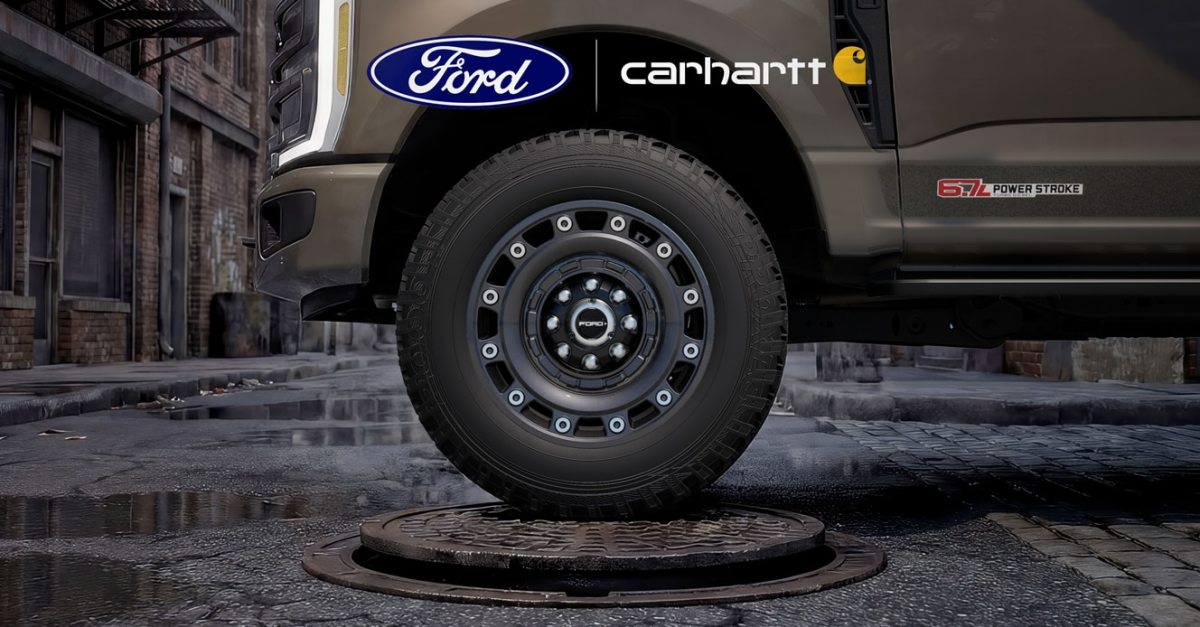
A Carhartt Super Duty is coming
Since late 2025, Ford and Carhartt used uniform services provider Cintas to outfit dealership technicians with the legendary brand’s clothing, including Ford/Carhartt-branded shirts, pants, jackets, sweatshirts, footwear, and accessories. However, they are going one step further with their expanded collaboration.
Ford and Carhartt also announced that, in addition to new merchandise, which “explores the intersection of heritage workwear and automotive craftsmanship, uncovering shared values of durability, innovation, and local pride,” the two are linking up on a new 2027 Super Duty Carhartt truck, which is coming later this year.
No exact details have been revealed as of yet; however, Ford noted that the vehicle is inspired by the brand and that its designers injected inspiration that executives gained from a visit to Carhartt’s downtown Detroit store, where they got up close with the different colors and textures of the brand’s storied pieces, as well as the elements surrounding the store. The lone detail revealed by Ford, the truck’s wheel, is said to be inspired by the Detroit city manhole covers outside the store.
“Carhartt’s DNA is all about hardworking people, doing incredible things with their rugged apparel, which is as necessary as the tools they use — just like our trucks serve builders as tools for their trade,” Ford Global Licensing senior manager Tyler Hill said in a statement.
Final thoughts
Ford CEO Jim Farley has been very vocal about the growth of the skilled trades. On a November 2025 episode of the Office Hours: Business Edition podcast, Farley said Ford had 5,000 open mechanic positions that it is struggling to fill, despite it being a position that can open up a pathway toward an $120,000 annual salary, noting that its stuggle to fill jobs that require training or manual labor are signs that there is a shortage of skilled tradespeople in the U.S.
“We are in trouble in our country. We are not talking about this enough,” he said at the time. “We have over a million openings in critical jobs, emergency services, trucking, factory workers, plumbers, electricians, and tradesmen. It’s a very serious thing.”
This new partnership with Carhartt is just one piece of the puzzle. In an interview with Business Insider, Ford Philanthropy president Mary Culler added that these seemingly dirty, unglamorous jobs have a real perception problem in today’s connected-car era, as techs will be working mostly with technology and not wrenches.
“People we talk to tell us, ‘I didn’t realize it wasn’t the greasy job I expected,'” Culler told BI. “People don’t understand that it’s a very high-tech job, it’s a very computer-intensive job.”