This Electric Car Was Designed So You Can Repair It Yourself
Why Modern EVs Lock Out Owners
The automotive industry has perfected a business model where selling a vehicle is just the beginning. Car manufacturers develop proprietary diagnostic tools, seal components so no one else can repair them, and make vehicle architecture as complex as possible. The result is that repair revenue flows back to dealerships, forcing owners to visit them even for minor issues.
Students at TU/e Eindhoven University developed Aria, or Anyone Repairs It Anywhere, a modular electric vehicle designed to give drivers the ability to diagnose faults and perform repairs themselves. The vehicle has swappable body panels, removable battery modules, and internal electronic components that can quickly be removed and replaced.
TU/Ecomotive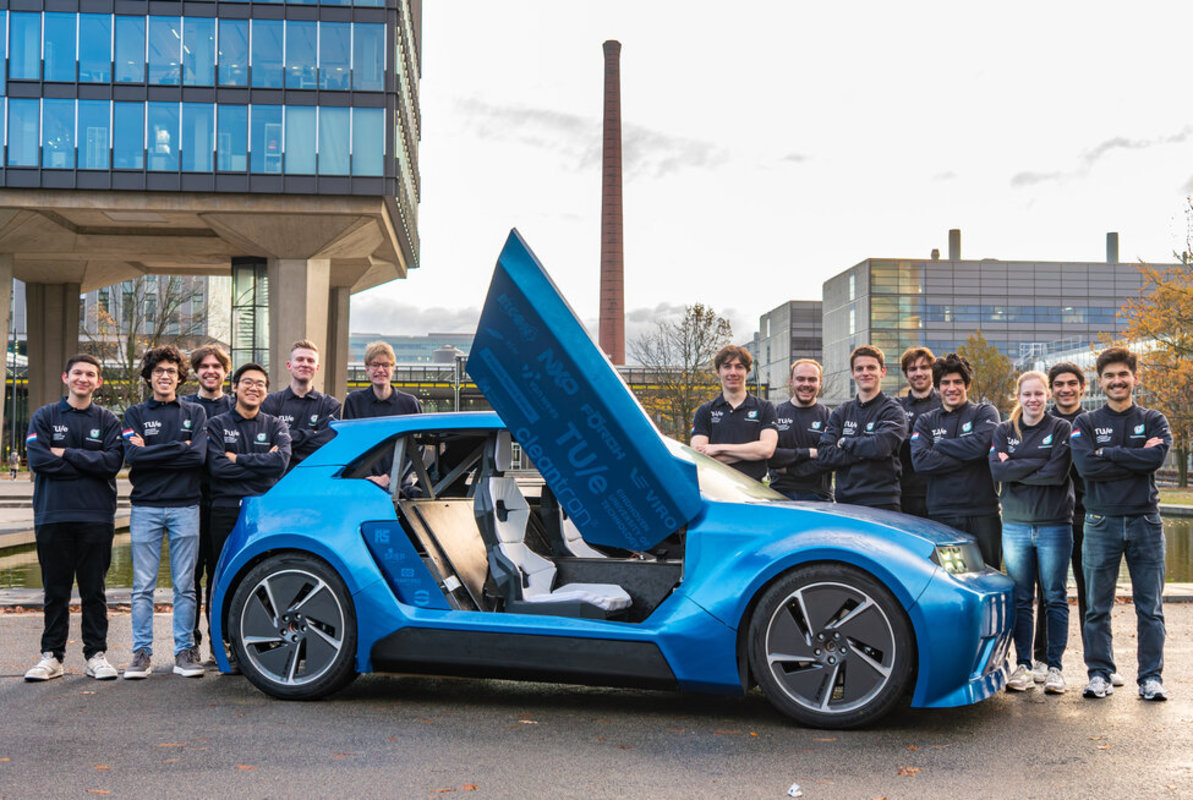
How The DIY Repair Electric Vehicle Works
Aria features a built-in toolbox, detailed repair manuals, and a diagnostic application (over widely-used USB-C) to identify issues and assist drivers in completing repairs with a 3D model of the vehicle. Panels can be removed in minutes to reveal components underneath. Instead of replacing an entire expensive battery pack, six individual battery modules can be swapped out independently.
Though Aria has modest specifications (a top speed of 56 mph and a 137-mile range), its importance lies in proving the concept’s feasibility. The students are showing that the inability of owners to maintain their vehicles is a design decision, not a technological requirement. When manufacturers choose to provide real repairability, it becomes achievable.
What This Means for Car Ownership
Most parts on modern electric vehicles are proprietary and difficult to obtain. Battery packs are integrated into the chassis, making them extremely difficult to replace. There are far fewer mechanics qualified to work on electric drivetrains and battery systems, meaning repairs are both time-consuming and costly. Because of these integrated batteries, non-standardized parts, and a lack of skilled technicians, electric vehicles are becoming much harder to repair, and many are being scrapped prematurely.
TU/Ecomotive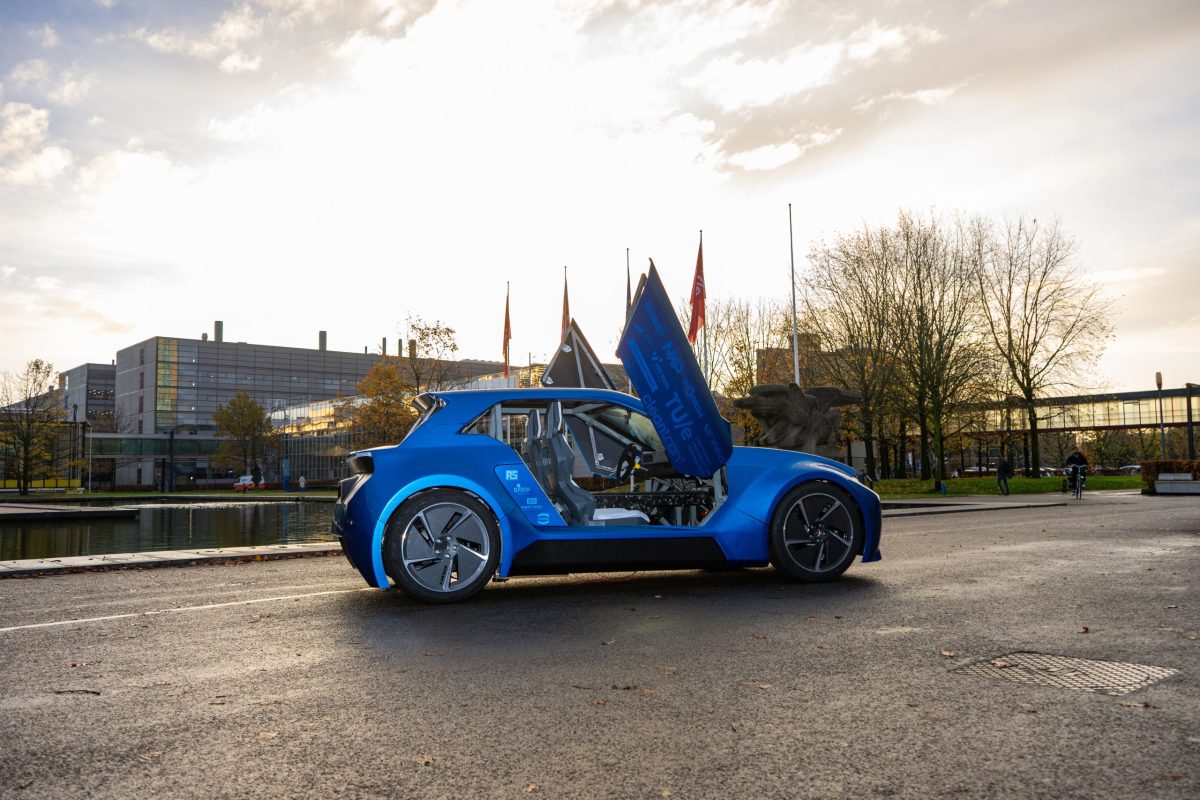
Aria challenges the throwaway mentality by extending vehicle lifespan and lowering repair costs. Team leader Taco Olmer wants the European Union to apply Right to Repair regulations to passenger vehicles, proving that sustainable and practical designs are possible.