New Study Finds Touchscreens Make Drivers Significantly Worse
Touchscreen Concerns
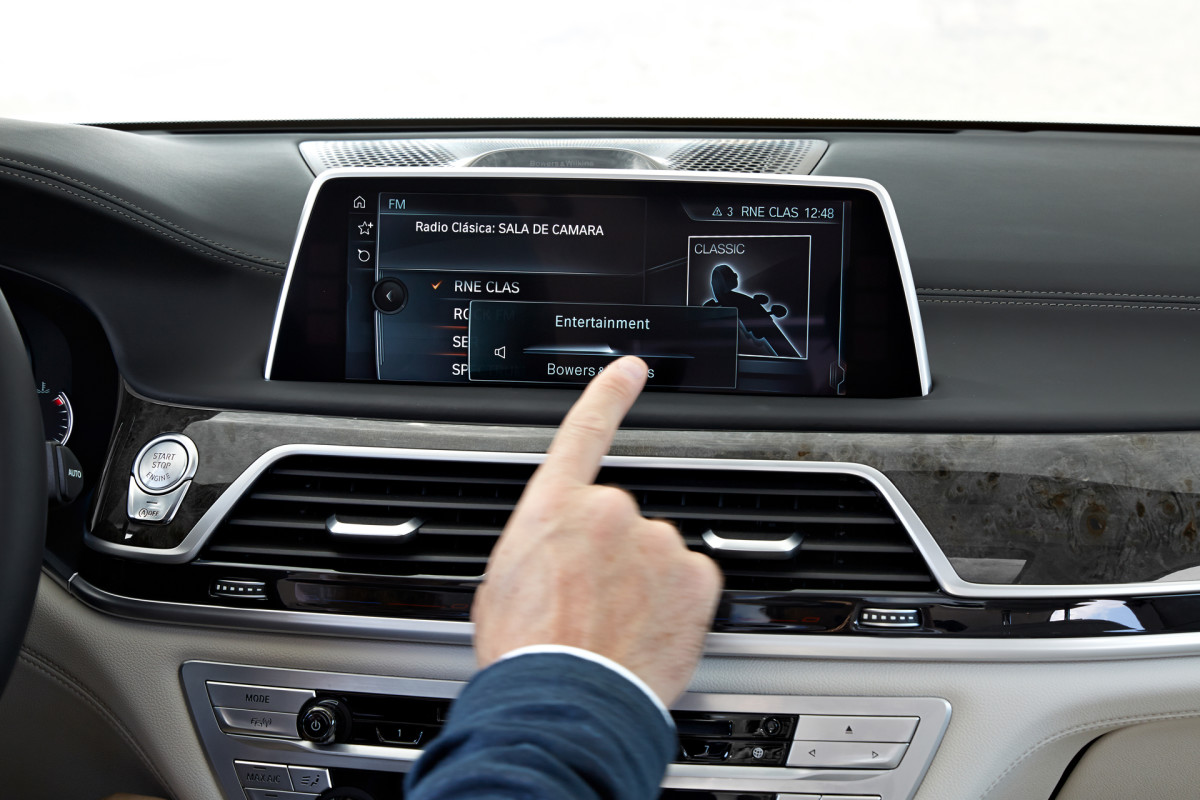
A detailed study presented at the 38th Annual ACM Symposium on User Interface Software and Technology is now offering compelling evidence for something that most of us already know — that trying to interact with a touchscreen while driving is extremely distracting and can be downright dangerous. With physical buttons and knobs having been all but replaced by large, flat screens that lack any tactile features, researchers from the University of Washington and the Toyota Research Institute decided to quantify how this affects a driver’s cognitive load and ability to maintain focus.
BMW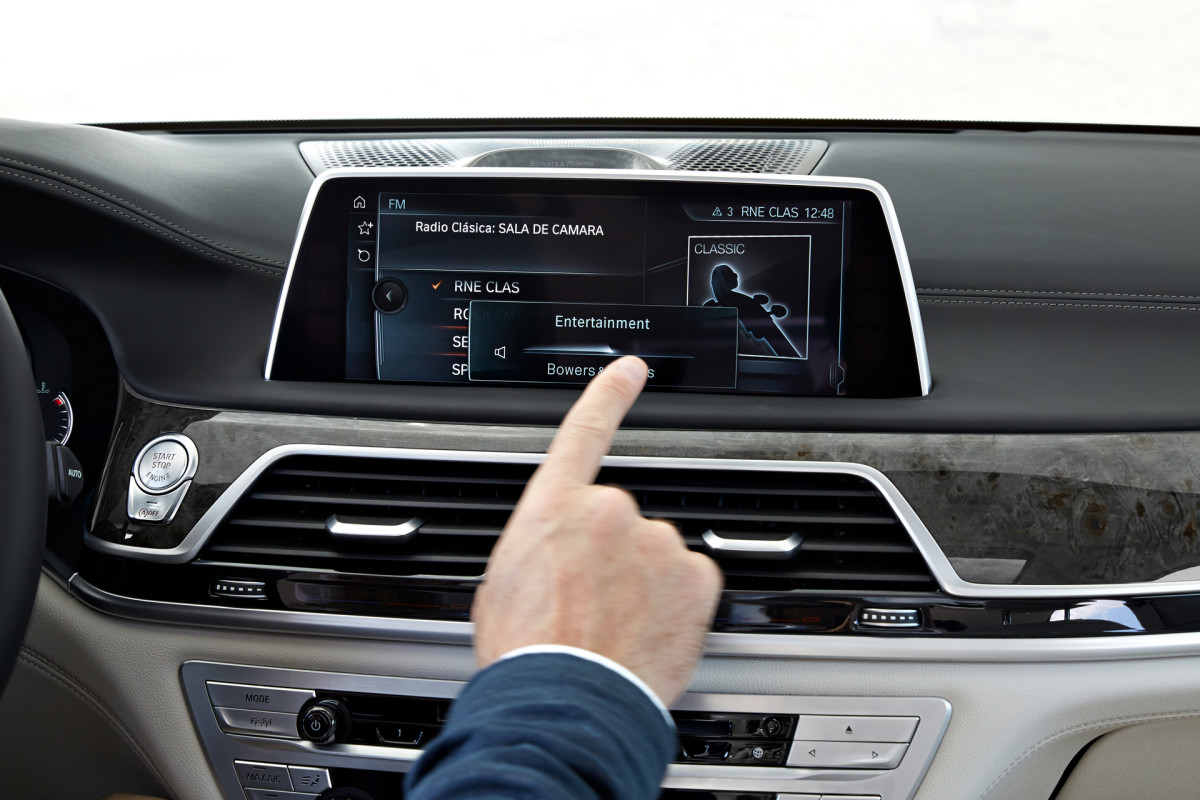
Simulated Tests
The researchers monitored pupil dilation and electrodermal activity — established means to measure cognitive load, as well as precise eye and hand movements of 16 volunteers as they navigated a virtual urban environment in a highly-detailed and realistic driving simulator equipped with a 12-inch touchscreen. The test subjects were then asked to complete routine tasks that one may attempt while driving, while concurrently undertaking a simple memory test.
Substantial Drop in Driver Performance
The results of this experiment are hard to ignore. Drivers were drifting out of their lane 42 percent more often when asked to complete simple tasks on the touchscreen, with 26.3 percent shorter glances at the screen when under high cognitive load. Sensors also recorded a 58 percent drop in speed and accuracy in touchscreen operation when driving, with a further 17 percent drop when the driver was put under high cognitive load. These findings establish that not only did car control suffer when drivers attempted to use the touchscreen, but also that their screen usage got really sloppy when behind the wheel. Even increasing the size of the target areas on the screens showed no appreciable improvement in performance.
The Future of Design and Safety
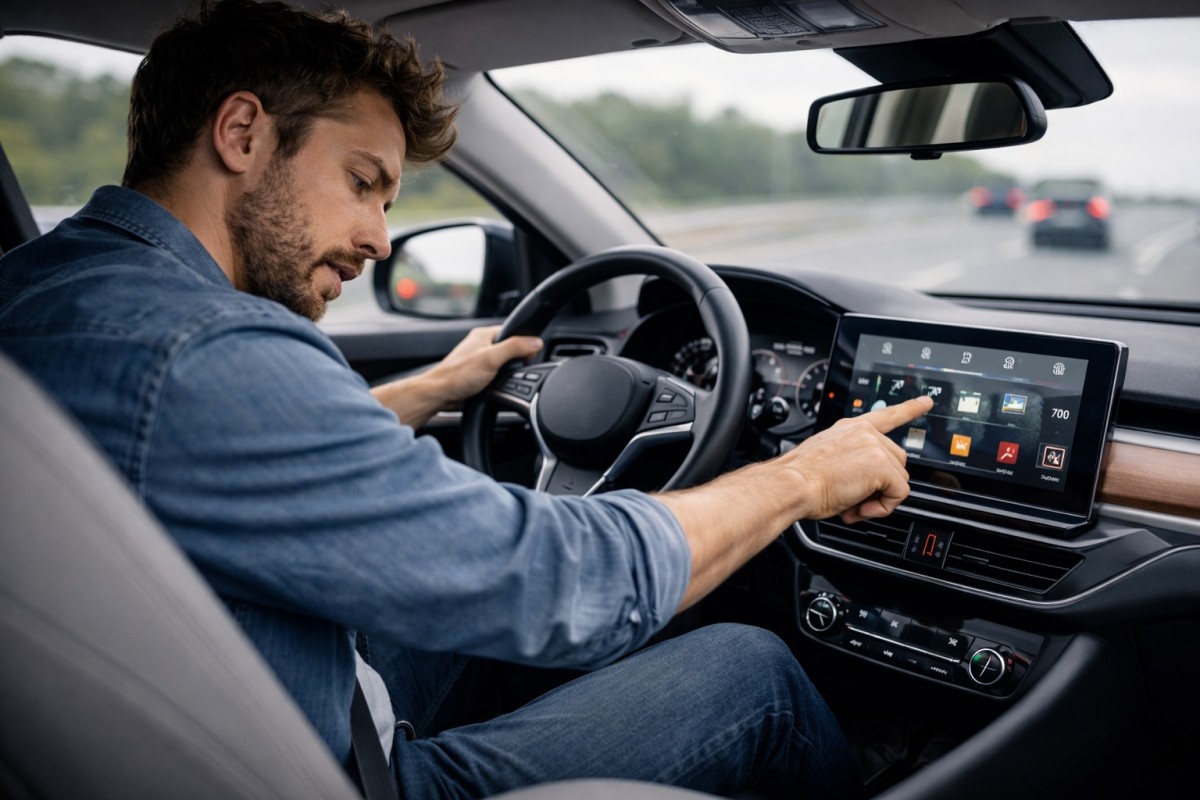
This study highlights that touchscreen interfaces demand more of a driver’s eyes and mind than physical tactile controls. These findings pose a significant challenge for automotive interior design, which has, over the last decade, truly embraced the sleek aesthetic and versatility of touchscreen controls. Well, screens aren’t going anywhere anytime soon, so it is essential that a middle ground that balances the technology with real-world safety and usability is found.
Smarter interface designs with the integration of physical knobs and buttons for frequently used functions could be a plausible way forward. A better understanding of how drivers interact with new tech, features, and interfaces, and the impact of these interactions on attention and car control, will be crucial in improving road safety in the years ahead.