China Completes First Test of Rotary Engine, Production Targeted for 2027
A Rotary Revival Aims for the Skies
A report from CarNewsChina says Changan, via its Harbin Dongan Auto Engine subsidiary, has completed the first ignition of the R05E – China’s first high-power rotary engine prototype – on December 19. The milestone underscores China’s broader push to capitalize on the low-altitude economy, a sector projected to be worth as much as 3.5 trillion yuan (roughly $490 billion) by 2035.
The low-altitude economy refers to commercial activity and services conducted in airspace below about 1,000 meters (approximately 3,281 feet), enabled by technologies such as eVTOL aircraft. Several automakers have already expressed interest in this space. Hyundai, for instance, explored advanced air mobility projects through Supernal, while Toyota has gone a step further by investing roughly $894 million in U.S.-based air taxi developer Joby Aviation.
Now, Changan—one of China’s so-called “Big Four” state-owned automakers (along with SAIC, FAW, and Dongfeng)—expects to mass-produce the R05E rotary engine by 2027.
Small, Light, and Built to Rev
So why a rotary engine? Compared with conventional piston engines, rotary engines are typically more compact and lighter, while delivering a higher power-to-weight ratio. They are also known for smoother operation and favorable NVH (noise, vibration, and harshness) characteristics—key advantages for aviation applications—though long-term reliability can remain a challenge, particularly when it comes to sealing. According to the report, the R05E produces 53 kW (71 horsepower) and is capable of revving up to 6,500 rpm.
Interestingly, the project is notable given Changan’s ongoing joint venture with Mazda, a brand synonymous with rotary engines thanks to icons like the RX-7 and the Le Mans-winning 787B, though Mazda does not appear to have any technical involvement in the R05E program.
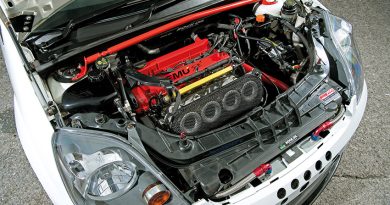
Technically, the R05E features a cast aluminum casing and employs an NDC (nanodiamond composite) anti-friction coating to reduce energy loss. The engine uses a curved-edge triangular rotor, paired with a low-mass eccentric shaft and dedicated balancing system—aimed at ensuring stable operation during flight.
Laying the Groundwork
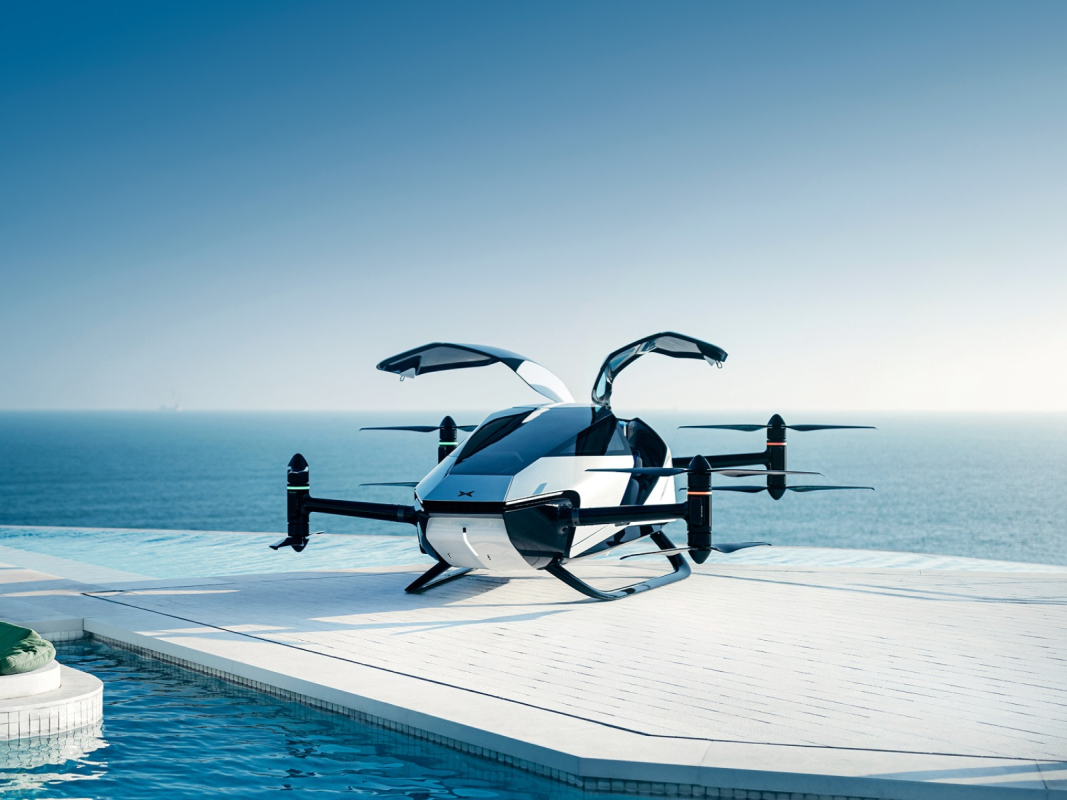
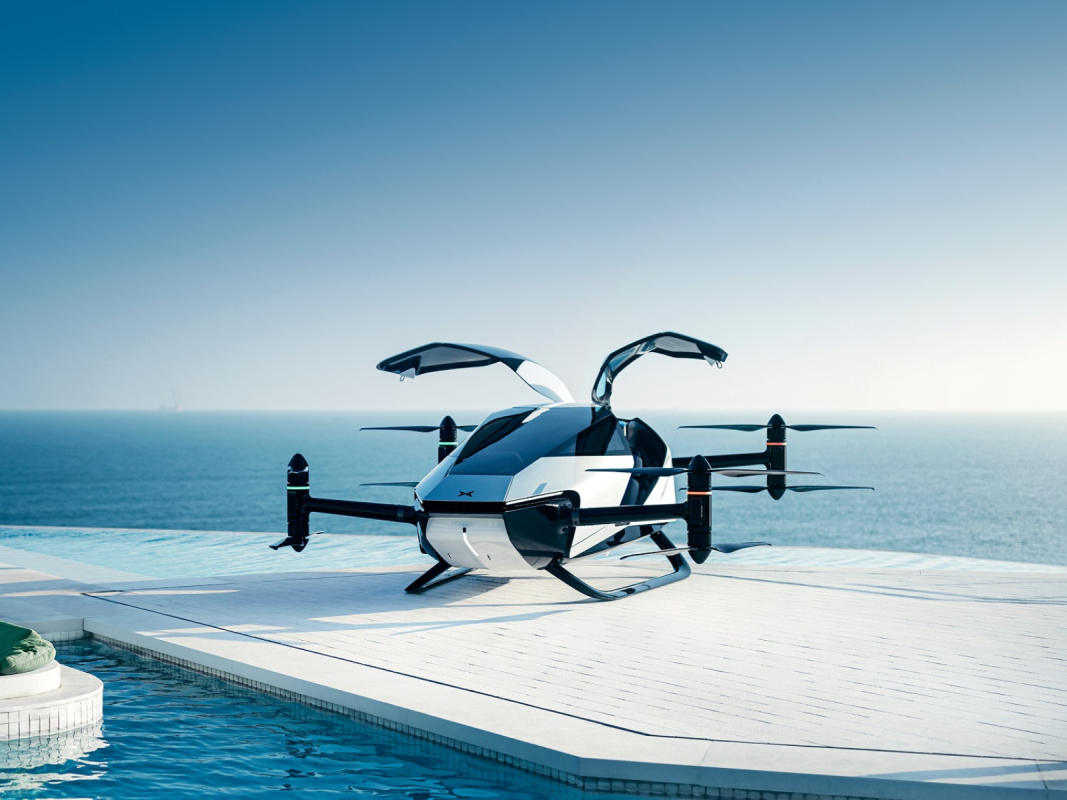
The R05E, however, is just one part of Dongan’s broader development roadmap. The Changan subsidiary is also working on naturally aspirated and turbocharged rotary engines intended for medium- and high-altitude applications in partnership with companies like ARIDGE, XPeng’s flying car division. These projects could eventually support a wider range of UAVs (unmanned aerial vehicles), including drones used for logistics and aerial surveillance.
While many developers are currently focused on large-scale air-taxi fleets, others are pursuing consumer-oriented personal aviation. California-based startup Pivotal Aero, for example, recently conducted a test flight in Northampton County, North Carolina, for its single-seat Helix, which starts at $190,000. Efforts like these highlight the direction the mobility industry appears to be heading in the coming years.