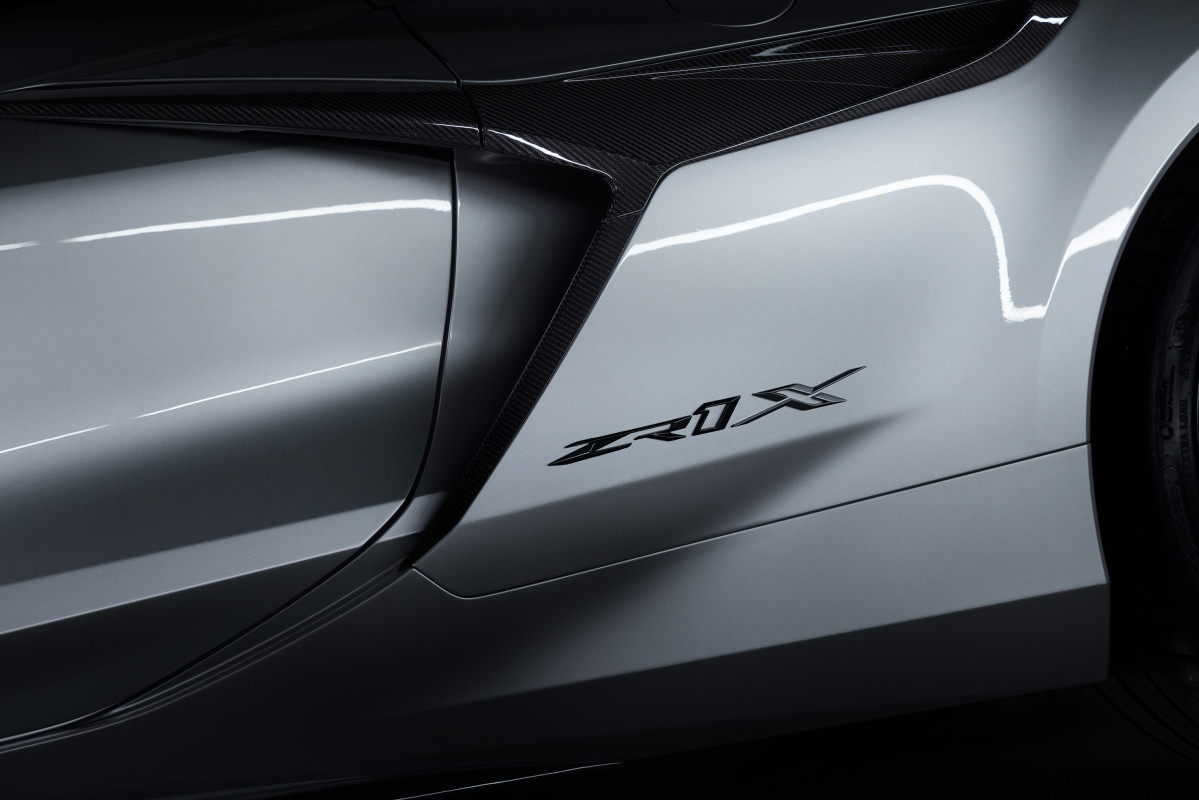
Hybrid Power Isn’t Enough to Save the Corvette ZR1X From Gas Guzzler Tax
Even with its cutting-edge hybrid system combining twin-turbo power and an electric motor, the 2026 Corvette ZR1X cannot escape Washington’s fuel economy rules. The car carries a gas guzzler tax of $2,600, pushing the starting price beyond $210,000. With dealers adding markups and buyers already spending six figures, the federal penalty amounts to little more than a rounding error.
Remember, GM maintains a one-year no-flip policy, though that hasn’t stopped some owners from listing theirs for well over $100,000 over sticker price, which really makes the Corvette’s gas guzzler tax seem like a mere afterthought.
Chevrolet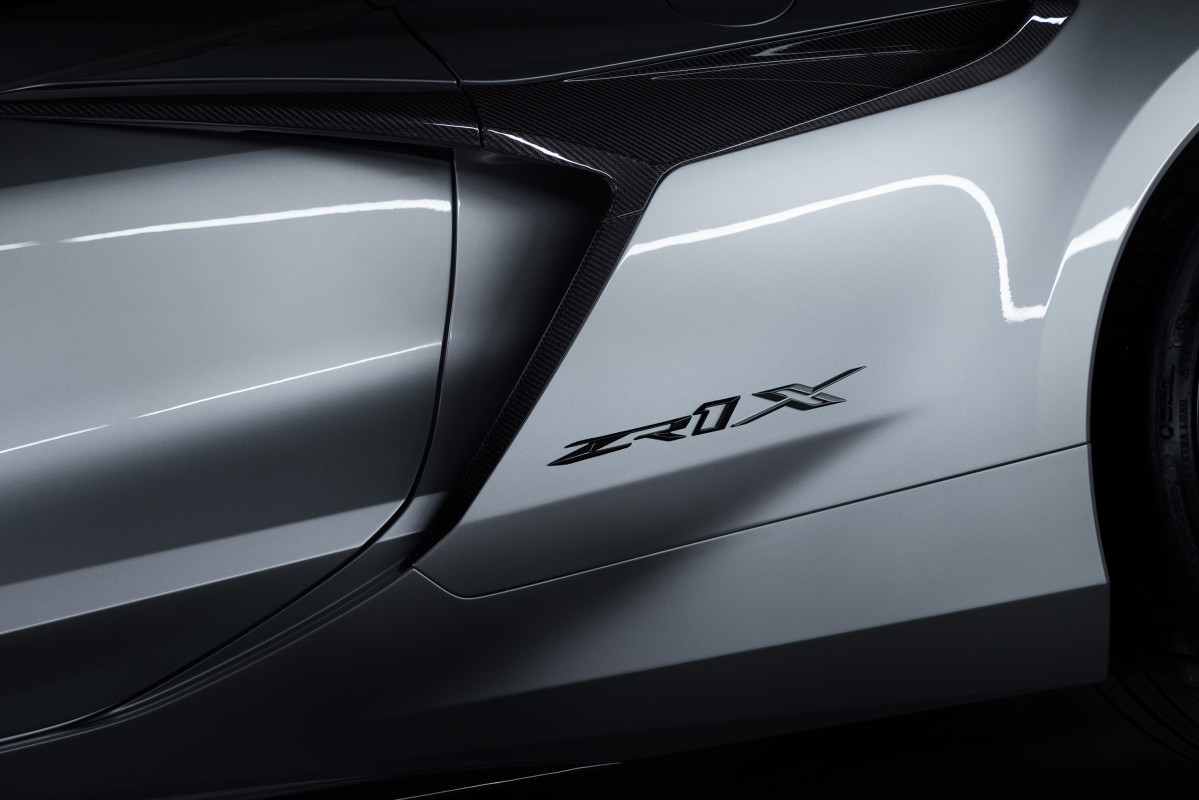
The Fastest Corvette Gets The Least Tax
The federal government imposes this penalty on new passenger cars falling below specific fuel economy thresholds. The ZR1X pushes 1,250 horsepower through its electrified all-wheel drive system, yet is rated for approximately 15 mpg combined.
Interestingly, the hybrid ZR1X receives a lower penalty than its pure gas sibling. The standard ZR1 faces a $3,000 gas guzzler charge due to its roughly 14 mpg combined fuel economy. Buyers choosing the hybrid save $400 despite gaining nearly 200 additional horsepower. The Corvette Z06 with standard aerodynamics carries a $2,600 penalty matching the ZR1X, while Z06 models with aggressive carbon aero packages jump to $3,000 due to increased drag.

Chevrolet
How The Gas Guzzler Tax Works
Congress established the gas guzzler tax in 1978 through the Energy Tax Act, following the 1970s energy crisis. The current structure has remained unchanged since 1991, establishing twelve penalty tiers ranging from $1,000 for vehicles achieving between 21.5 and 22.5 mpg to a maximum of $7,700 for cars rated below 12.5 mpg combined.
The EPA determines ratings using unadjusted fuel economy numbers, which typically yield figures about 25 percent higher than adjusted window sticker numbers. This means vehicles that achieve roughly 16 mpg on window stickers avoid the penalty. The tax applies exclusively to passenger cars, exempting trucks, SUVs, minivans, and crossovers regardless of fuel consumption. It could be argued that some trucks and SUVs should fall under the ambit of the gas guzzler tax, but considering these vehicles weren’t popular for non-commercial purposes when the Energy Tax Act was drafted decades back, they escape.
Ford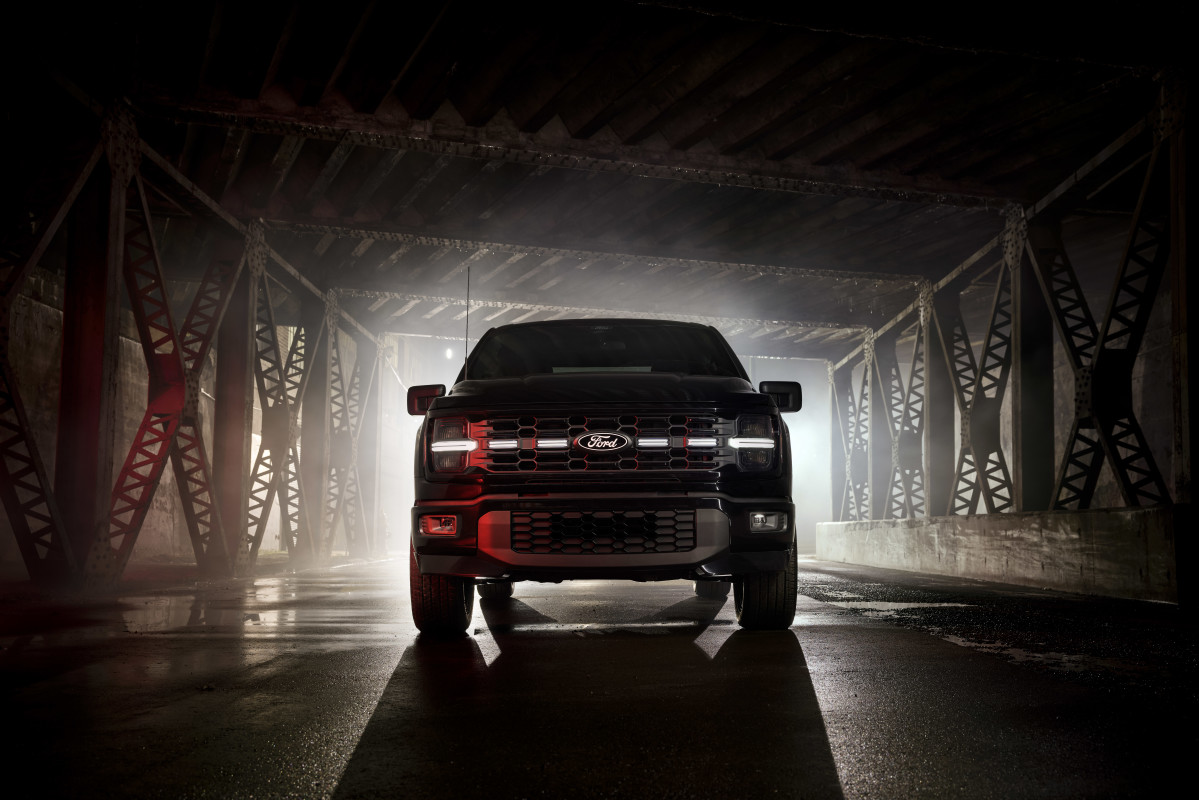
Might As Well Call It The ‘Performance Tax’
High-performance cars are natural penalty targets, considering trucks and SUVs are exempt from the gas guzzler tax. For buyers spending $200,000 or more, an additional $2,600 barely registers. However, more accessible performance vehicles feel the impact differently.
The Ford Mustang GT carries a $1,000 penalty with a starting price around $50,000. For mainstream muscle cars, the gas guzzler tax represents a more significant percentage of purchase price, though it hardly dissuades buyers.