Car Transport Explained: Pricing, Options, and How Auto Shipping Works
Car transport is used every day by people who need to relocate, buying vehicles online, or ship cars that should not be driven long distances. While the process looks simple from the outside, car transport pricing and logistics depend on several moving parts. Understanding how car transport works and what affects cost helps set realistic expectations before booking your car transport needs. Click to get a free quote from We Will Transport It.
What Is Car Transport?
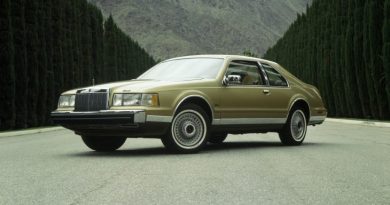
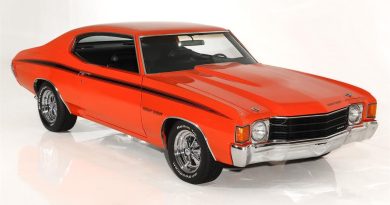
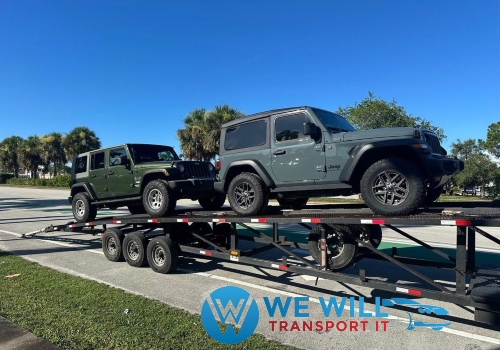
Car transport is the process of moving a vehicle on a carrier rather than driving it. Most vehicles are shipped using open carriers, the same type of trailers used to deliver new cars to dealerships. When needing to transport your car, there are several main ways to do it.
Common car transportation options can be:
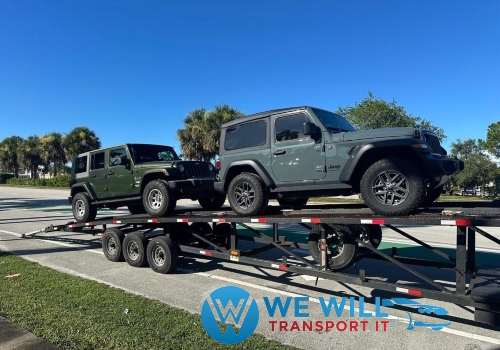
- Open Car Transport: When the car is exposed to weather conditions and road elements during movement. It’s the most widely used and affordable option.
- Enclosed Cart Transport: When cars are shipped protected from elements and exposure. Used for classic or luxury cars, so this option is mostly on the costly side.
- Door-to-Door: Reduces the need for extra driving
- Terminal-to-Terminal: Can be cheaper, but requires drop-off and pickup at designated locations
Open vs Enclosed Car Shipping: What’s the Difference?
Open car transport and enclosed car transport are the two most common ways to move a car. But, what’s the difference?
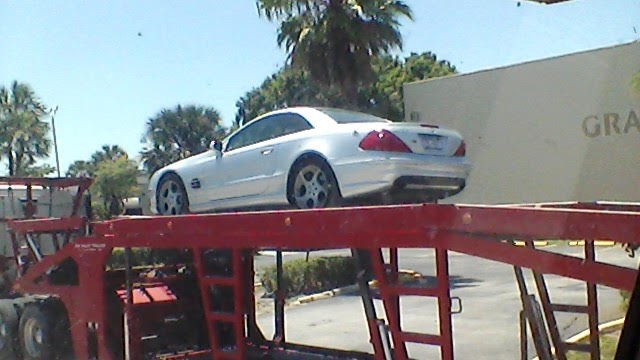
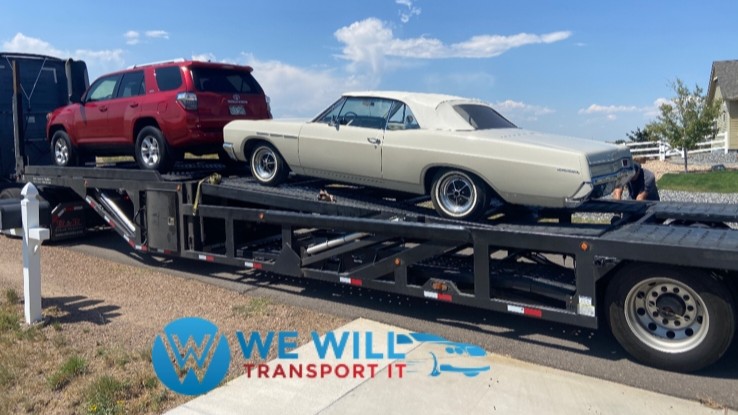
- Open car shipping: Affordable and common, your car is exposed to elements but secured on an open trailer. Best shipment method for standard cars and the go-to for cheap car shipping.
- Enclosed car shipping: Provides full protection from weather, debris, and road hazards. Recommended for high-value, classic, luxury, or exotic vehicles. Costs more because the enclosed trailer has limited trailer space.
How Vessel Transport Pricing Is Calculated
No boat transport price is ever the same. Pricing starts with the basics of distance, size and weight.
- Smaller cars take up less space and are easier to load, while SUVs, trucks, and vans increase cost because they’re bigger in size and weight.
- Operable vs inoperable: Operable vehicles can be driven onto the carrier, while inoperable vehicles require winches or special loading equipment. Additional equipment raises the price.
- Timing/Season: Car transport peak season usually runs through spring and early fall. During the busy season, car movement demand increases, availability tightens, meaning transport gets more expensive. Flexible pickup dates and early booking often help customers find better rates.
- Fuel prices
Key Takeaways
Before it’s time to transport your car in, out or around the state. There are a few takeaways to keep in mind. These tips can save you money and ensure the safety of your car. Small steps, like cleaning your car or confirming details ahead of time, can make a big difference in the outcome of your vessel transport experience.
- Plan Ahead: Booking your car transport early can help you take advantage of more flexible pickup and delivery windows.
- Check Quotes: If a quote seems too good to be true, it probably is. Compare quotes from multiple trusted car transport carriers. Look for consistency, and prioritize companies with a strong reputation for reliability and customer service.
- Pickup and Delivery Locations: Accessible pickup and delivery are generally easier and cheaper to service.
- Car Preparation: Clean your car inside and out so that before pickup, existing scratches or dents are visible. Remove personal and loose items from inside the car and check tires and fluids. Properly preparing your car helps avoid delays.
- Confirm details with your transportation company before pickup. Double-check about insurance coverage, delivery timing, and any special requirements because clear communication prevents surprises and guarantees a smoother experience.