Norway Just Reached 96% Electric Car Sales and Gas Is Basically Over
Norway has just done something no other country has managed: it ended 2025 with 95.9% of all new passenger cars registered as fully electric, a figure even officials round up to “96% of the new car market.” December was closer to 98% EV share, making combustion a statistical rounding error rather than a real segment.
Norway’s EV Tipping Point
New-car registrations jumped roughly 40% versus 2024 as buyers rushed to beat stiffer EV taxes that arrive in 2026. That surge pushed total sales to around 180,000 cars, and nearly all of them were battery-electric. Plug-in hybrids have faded into the background; the market has essentially gone straight from gas and diesel to full EVs.
Policy mix-ups are behind it with steep purchase taxes on combustion cars, generous exemptions for EVs, cheaper tolls and ferries, plus abundant home and public charging. After years of that pressure, Norway effectively hit its long-standing goal of ending fossil new-car sales by 2025. At the same time, the government is now dialing back the generosity by adding some VAT to pricey EVs, which is why so many buyers pulled the trigger before year’s end.
It’s also happening at a moment when the rest of the world is still deciding how far and how fast to push. Automakers are lining up fresh metal for 2026, from mass-market crossovers to high-end flagships, and a lot of what’s coming looks directly aimed at buyers in cold, EV-dense markets like Norway. You can already see the next wave in our preview of the new EVs we’re most excited about in 2026.
Tesla Rides The Last Big Incentive Wave
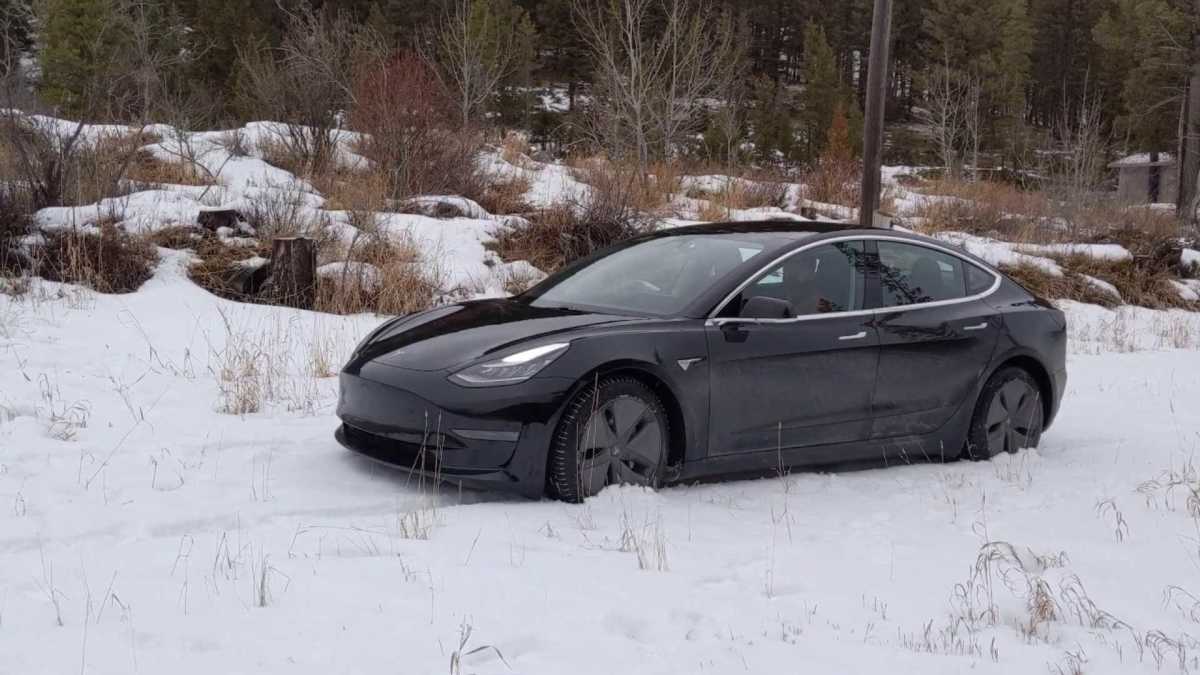
No brand benefited more from Norway’s final pre-tax rush than Tesla. It was the country’s best-selling marque for the fifth year running, with a market share of about 19% and more than 27,000 new Teslas registered. The Model Y was the star, effectively becoming the default family car in a place that used to be dominated by diesel wagons and compact crossovers.
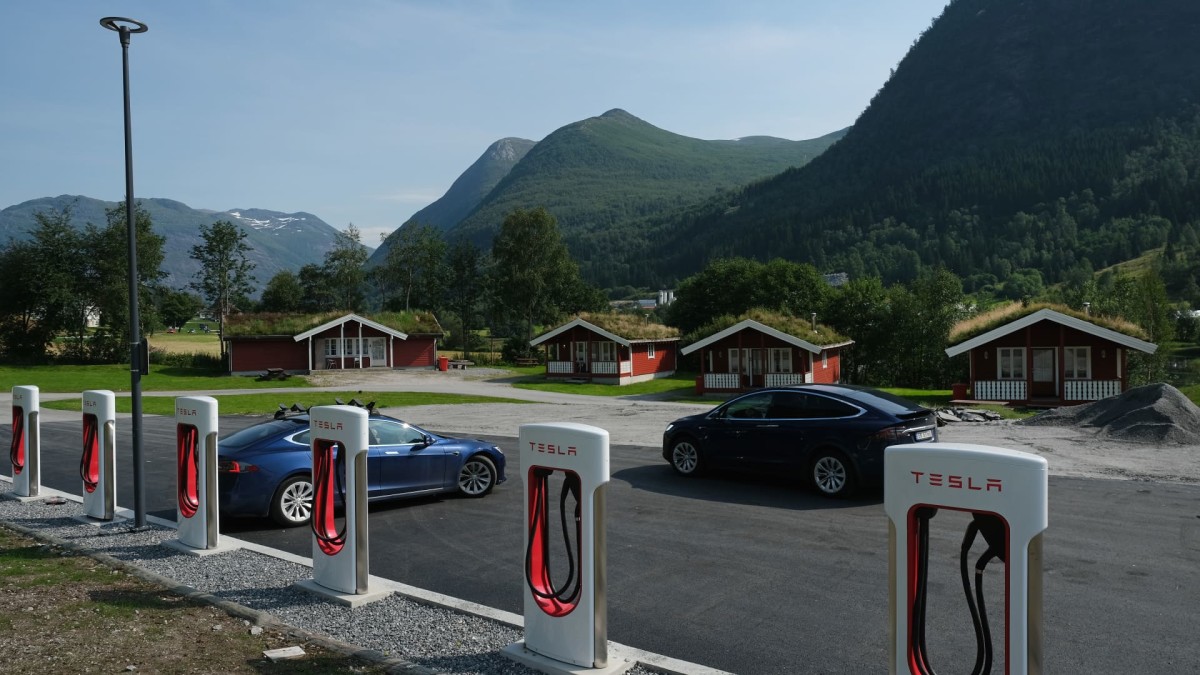
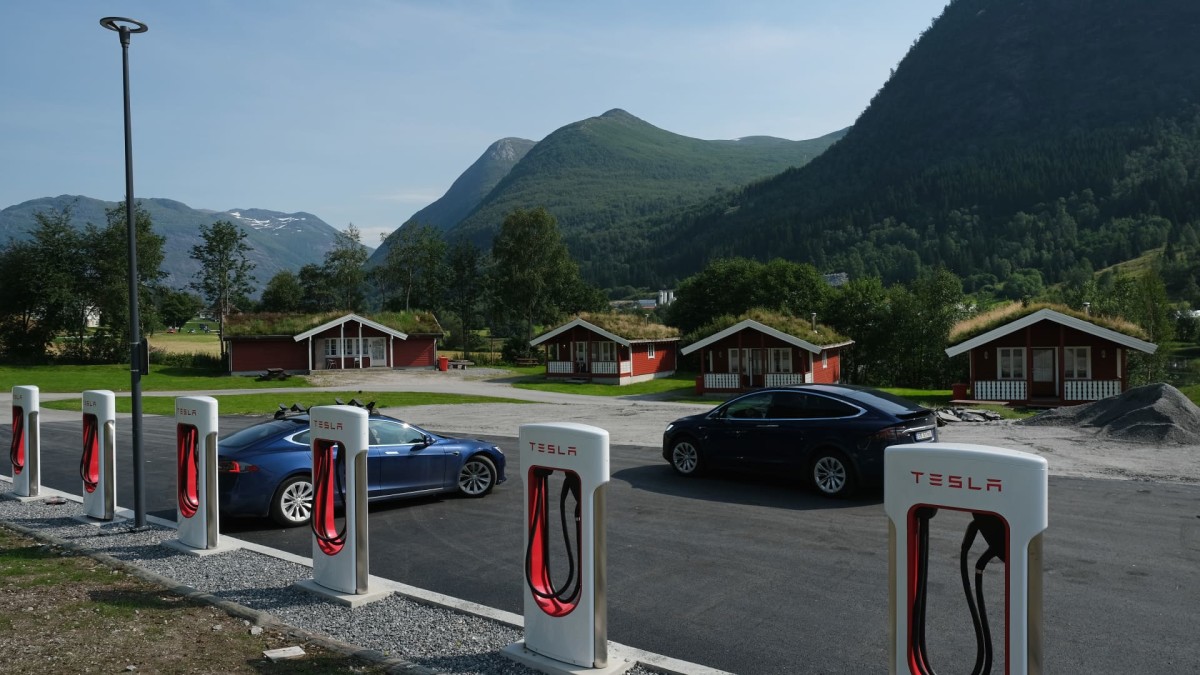
Tesla’s momentum is striking because it comes as the company faces softer demand elsewhere in Europe. In Norway, though, the combination of strong incentives, dense Supercharger coverage and years of familiarity made the brand a safe bet when buyers knew the tax rules were about to tighten. Chinese-built EVs are also growing fast, but Tesla remains the reference point for everything from pricing to charging expectations.
Norwegian buyers are also acutely aware that EVs have to survive real winters. Range loss, traction and heating performance matter more at −10°C than they do on a mild California freeway. That is why cars that perform well in snow and cold stand out.
The more interesting question now is what Norway does with all this stored energy on wheels. With EVs now outnumbering diesels in the total passenger-car fleet, the country is in a good position to explore vehicle-to-grid projects at scale. If other markets follow the same trajectory, there is real potential for parked EVs to become part of the energy system rather than just a load on it.