Canada PM Strikes Deal to Dramtically Lower Chinese EV Tariffs
Canada & China make a deal on canola products and Chinese-made EVs
In an announcement during his official state visit to Beijing on January 16, Canadian Prime Minister Mark Carney announced that Canada and China have entered into a sweeping “strategic partnership” that would dramatically lower tariffs on key products from their respective countries.
During a news conference, Mr. Carney announced that Canada will allow up to 49,000 Chinese-made electric vehicles to be imported and sold in the country under a new “most-favoured-nation tariff rate of 6.1%”, a dramatic drop from the 100% rate it imposed in 2024 at the request of the United States. In return, Mr. Carney said the Chinese government will lower its tariffs on Canadian canola seed from nearly 85% to about 15%, and remove its 100% tariff on Canadian canola meal.
Canola seed is used to make canola oil for cooking, while its byproduct, canola meal, is used as a protein-rich ingredient in livestock feed. As a result, the reduced tariffs are seen as a major sign of relief for Canadian farmers, as statistics from the Canadian Canola Council indicate that the industry generates an average of C$43.7 billion (~US$31.38 billion) in economic activity each year.
“President Xi and I are announcing that Canada and China are forging a new strategic partnership,” Mr. Carney said.
The Canada-China EV deal will focus on lower-end cars
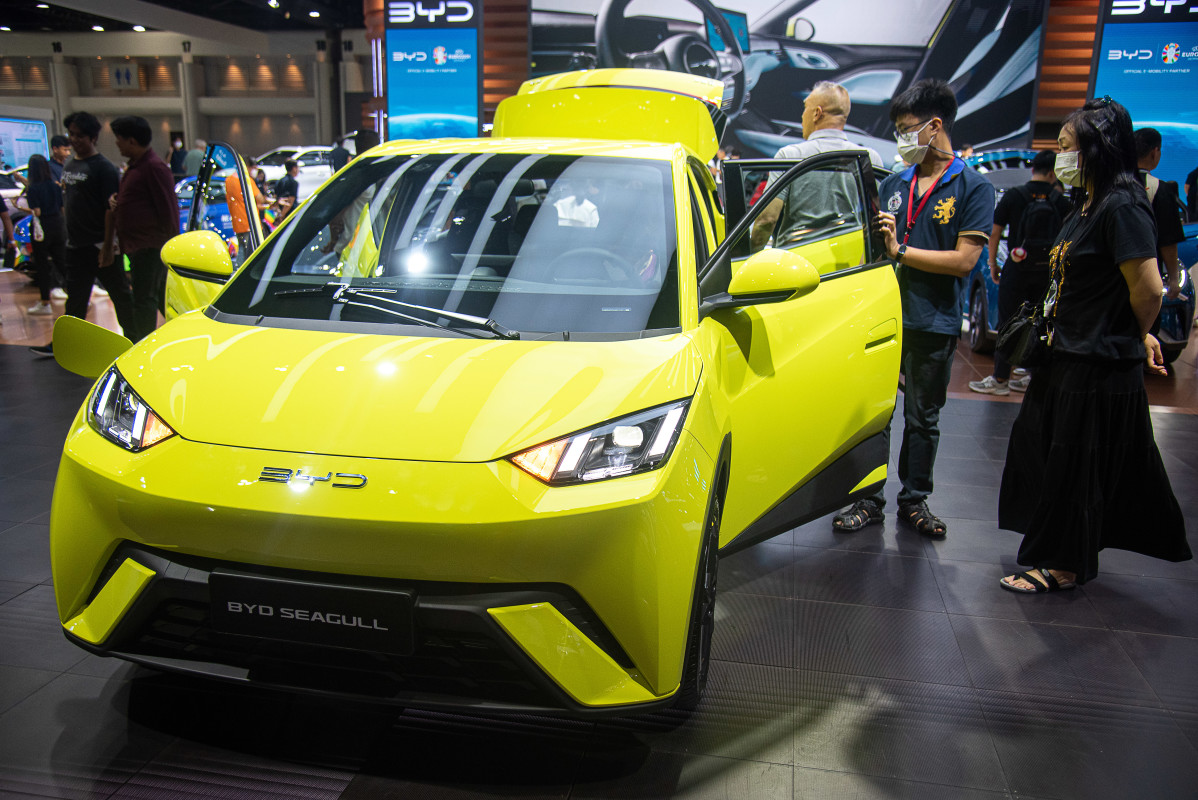
According to a release from the Canadian Prime Minister’s Office, the 49,000 Chinese EVs that it will allow into the country under this new preferred rate will represent “less than 3%” of the Canadian new vehicle market, adding that it expects that within five years, “more than 50% of these vehicles will be affordable EVs with an import price of less than [C$35,000],” which would create “new lower-cost options for Canadian consumers.”
Sales figures reveal that Chinese manufacturers are making a significant dent in the global EV market. Data released this month shows that BYD overtook Tesla as the world’s best-selling EV manufacturer in 2025, selling about 2.25 million BEVs, compared with Tesla’s roughly 1.63 million units in 2025. Its lowest-priced model, the compact five-door Seagull, sells for as low as $7,800 (~CA$10,861) in China.
A separate backgrounder from the Government of Canada states that it expects its deal with China will open the door to “considerable new Chinese joint-venture investment in Canada” that will “protect and create new auto manufacturing jobs for Canadian workers, and ensure a robust build-out of Canada’s EV supply chain.”
Bloomberg/Getty Images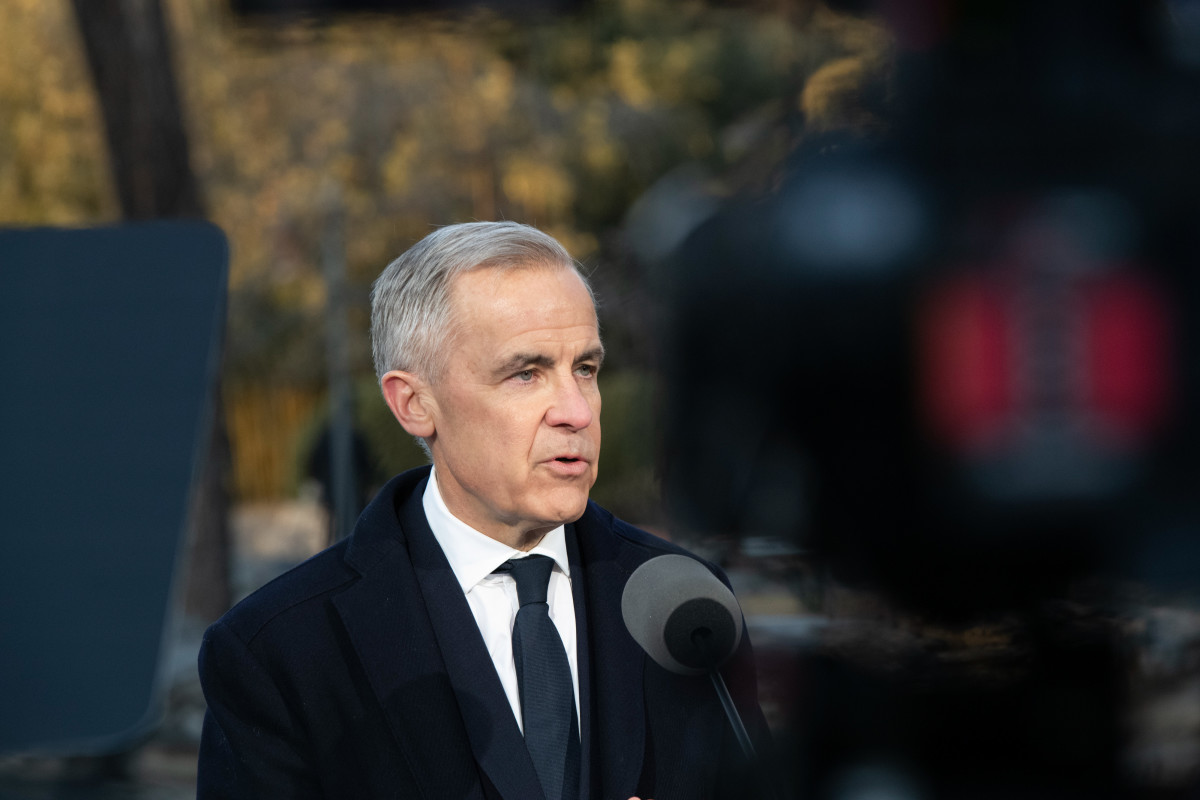
A tough sell for some Canadian leaders
While Chinese President Xi Jinping and Mr. Carney were cordial about this new trade deal, notable Canadian politicos had mixed reactions regarding the Sino-Canadian developments, especially on the topic of Chinese EVs.
In a post on X (formerly Twitter), Saskatchewan Premier Scott Moe said the deal was “good news” for Canada and the province. Notably, Saskatchewan is a central growing region for the Canola industry, with over 30% of the province’s acres dedicated to the crop.
“Today demonstrates the importance of foreign trade missions and shows what can be achieved when the federal and provincial governments and our export industries work together to strengthen our trade relationships,” he said.
However, the deal has its critics. According to a CBC report, Ontario Premier Doug Ford, whose province is home to factories for Ford, General Motors, Stellantis, Honda, and Toyota, criticized both Carney and the arrangement, noting that the Prime Minister could have met with automakers before signing such a consequential agreement.
Stellantis
“We’re letting China into a market that’s going to have lower tariffs than our largest market, the U.S., and I don’t think that’s going to go over too well with President Trump,” Ford told reporters. “It’s going to hurt every single auto manufacturer, every single supply chain that has anything to do with the auto sector. This was not thought of properly, it wasn’t consulted, it was a knee-jerk reaction as far as I’m concerned, and this is going to be a big, big problem.”
In addition, Ford raised national security concerns regarding Chinese EVs. In the Canadian Government’s statement, it noted that “Canada will also work with Chinese auto manufacturers on timely vehicle certification to ensure they meet Canadian motor vehicle safety standards,” though Ford expressed distrust over a different type of safety.
“I’ll be very honest: I don’t trust what the Chinese put in these cars,” he said. “And I’m wondering if the Americans would allow them to integrate their social media and the internet into these cars? The answer is no.”
Final thoughts
It should be noted that a similar deal has come between the European Union and the Chinese government. On January 12, the European Commission, the EU’s executive arm, and China’s Ministry of Commerce announced new guidance that would replace steep tariffs on imported EVs from China. Their new rules allow automakers with factories in China, as well as Chinese automakers, to voluntarily limit the number of units they ship from the People’s Republic to Europe and set minimum prices for said cars based on their perceived economic impact.
Canada is one of the United States’ closest neighbors, and it will be very interesting to see the impact such a policy will have, especially if it helps Chinese EV companies like BYD or Geely establish production in the country.