Tesla Tried Being Normal in Japan and It Actually Worked
Tesla has always branded itself as the rule-breaker of the auto industry. From how its cars are engineered to how they’re sold, Elon Musk’s company built its identity on doing things differently, especially by pushing customers toward an online-only buying model. But different isn’t always better.
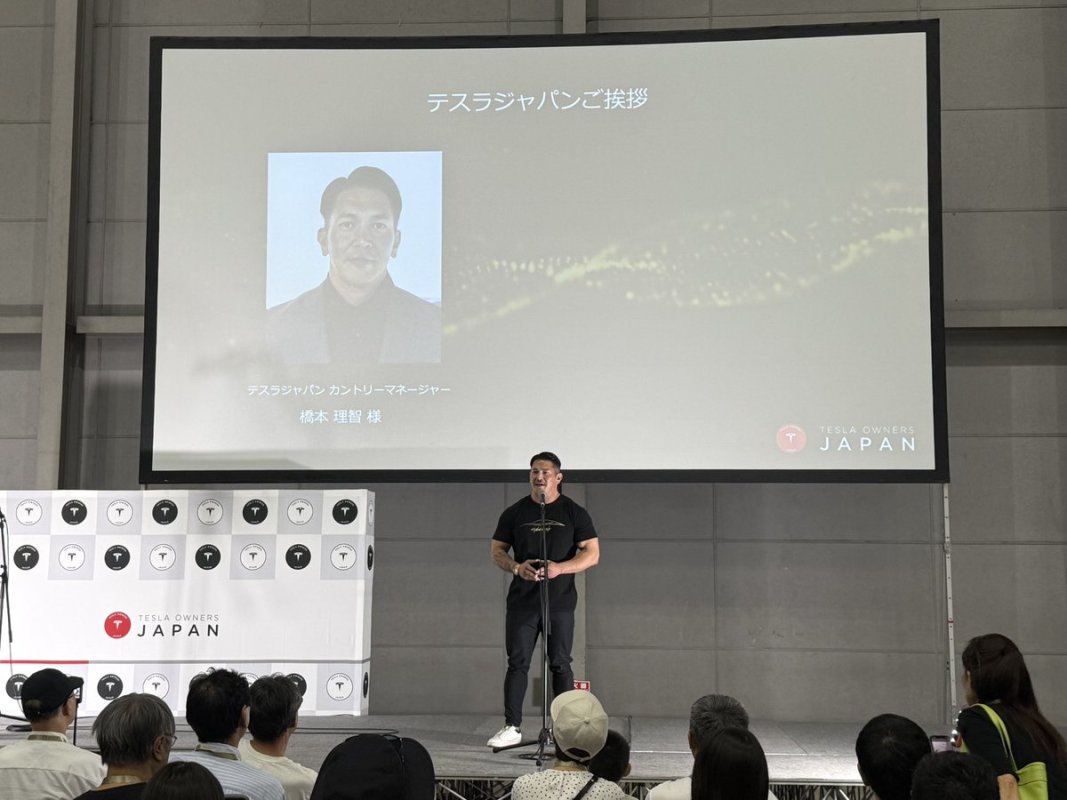
In Japan, under the leadership of Richi Hashimoto, Tesla rewrote that strategy. And the results have been impossible to ignore. After years of slow growth and its fast-rising rival, BYD, outselling them, Tesla’s sales finally took off once it embraced what the industry has relied on for decades: real people, real showrooms, and real customer service.
From Digital-First to Face-to-Face
X @partitioncharge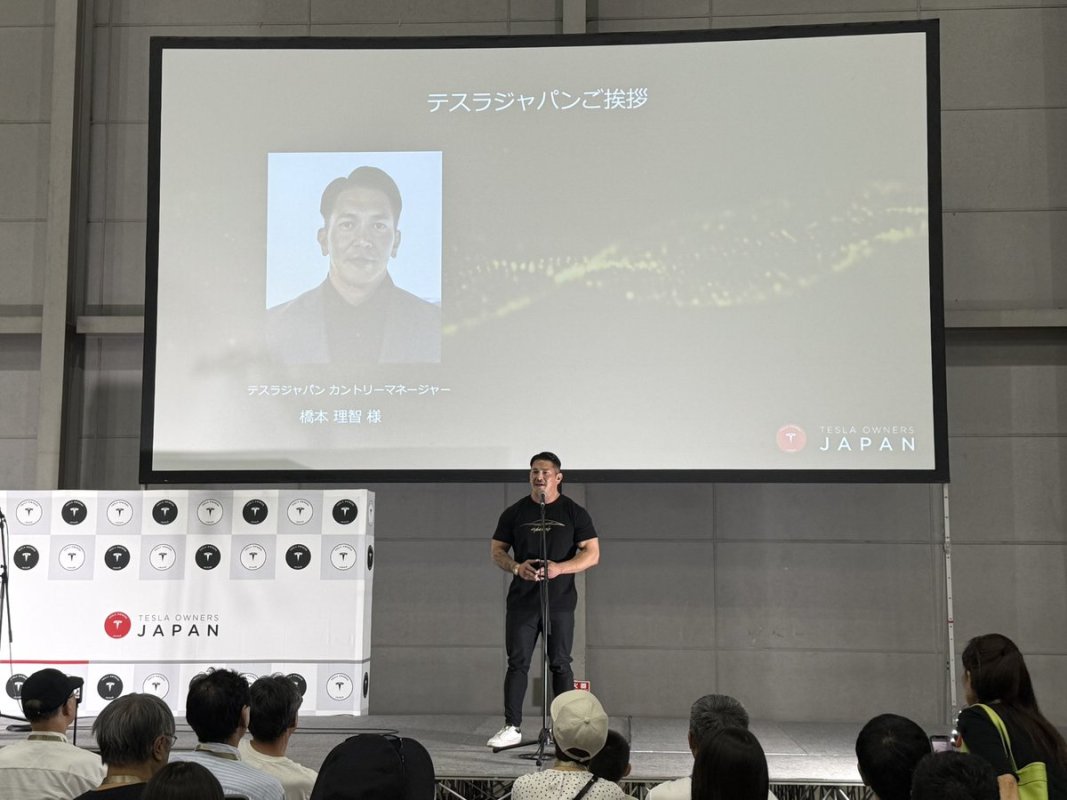
For years, Tesla’s presence in Japan barely moved the needle. Sales hovered around 5,000 units annually despite the brand’s global reputation. That changed in late 2024 when Tesla began opening physical showrooms inside busy shopping malls and expanding its retail footprint. Instead of waiting for customers to stumble across the brand online, Tesla put itself directly in front of shoppers, just like every traditional automaker. In fact, other brands are reviving relationship-driven sales tactics, similar to those defined in the 1990s, focusing on trust, familiarity, and long-term loyalty rather than one-click transactions.
Why Service, Not Software, Made The Difference
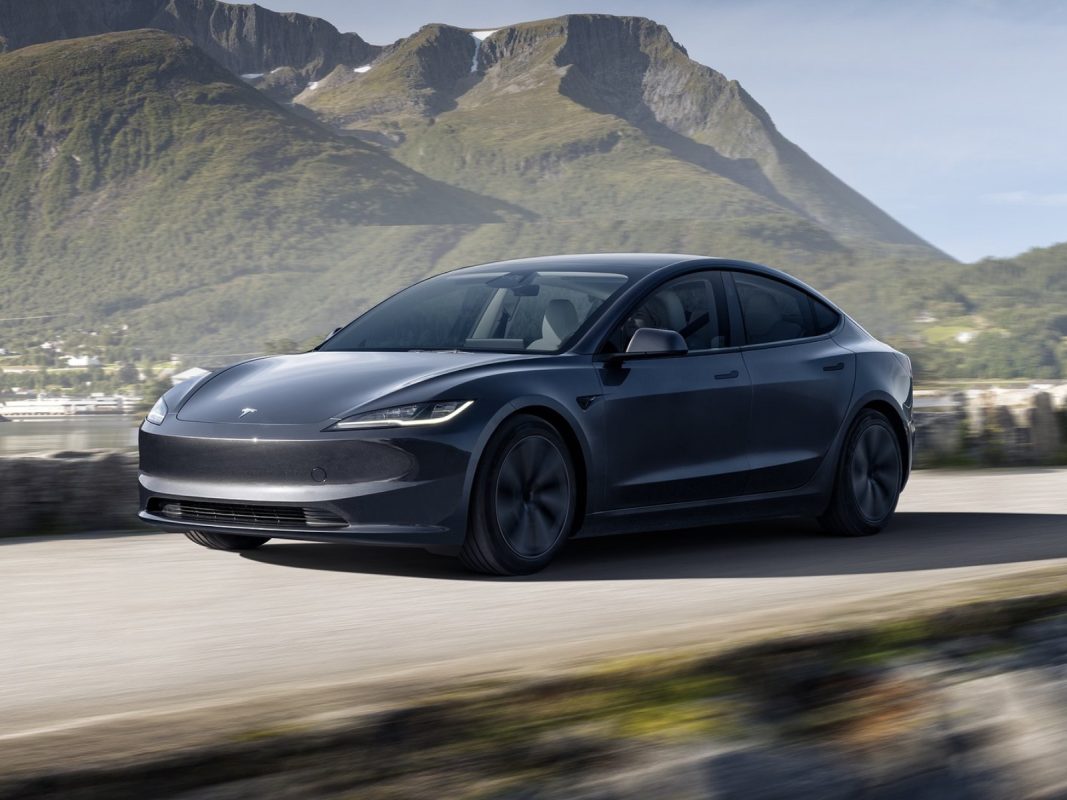
On top of introducing physical locations with real people, Tesla also overhauled its approach to staff training. The carmaker turned showroom employees into product specialists who could confidently guide buyers through everything from charging and range anxiety to real-world ownership costs. That human connection paid off fast. In 2025, Tesla’s sales in Japan jumped nearly 90% to more than 10,000 vehicles. Building trust and relationships is crucial for Tesla, especially since its reputation has taken a few hits, from yet another lawsuit over Model S door handle failures.
A Wake-Up Call For Tesla in The US
In the United States, Tesla’s market share has slipped as competition intensifies, new entrants arrive, and rivals continue their global expansion. Online car buying is a tried-and-tested tactic, there’s no doubt about it, but without the backing of physical dealerships, it risks alienating a huge portion of potential customers. Tesla’s success in Japan proves that innovation does not always mean reinventing the wheel. Sometimes, the smartest move is going back to basics and realizing that trust is built in conversations, not just clicks.